Bitcoin Plunges to Lowest Level Since August, Then Rebounds: Nvidia Scandal and Iran Tensions Blamed
Baca dalam 60 detik
- Harga Bitcoin sempat menyentuh titik terendah sejak Agustus di kisaran 73.761 dolar AS sebelum berbalik menguat di atas 75.000 dolar AS pada akhir pekan lalu.
- Pasar kripto dilanda aksi jual paksa dengan nilai likuidasi melebihi 1 miliar dolar AS dalam 24 jam, didominasi posisi long yang menebak kenaikan harga.
- Keputusan dewan Nvidia menyelidiki dugaan hubungan CEO-nya dengan perempuan yang dicurigai sebagai agen China dan kebuntuan perundingan AS-Iran menjadi pemicu utama gejolak lintas aset.
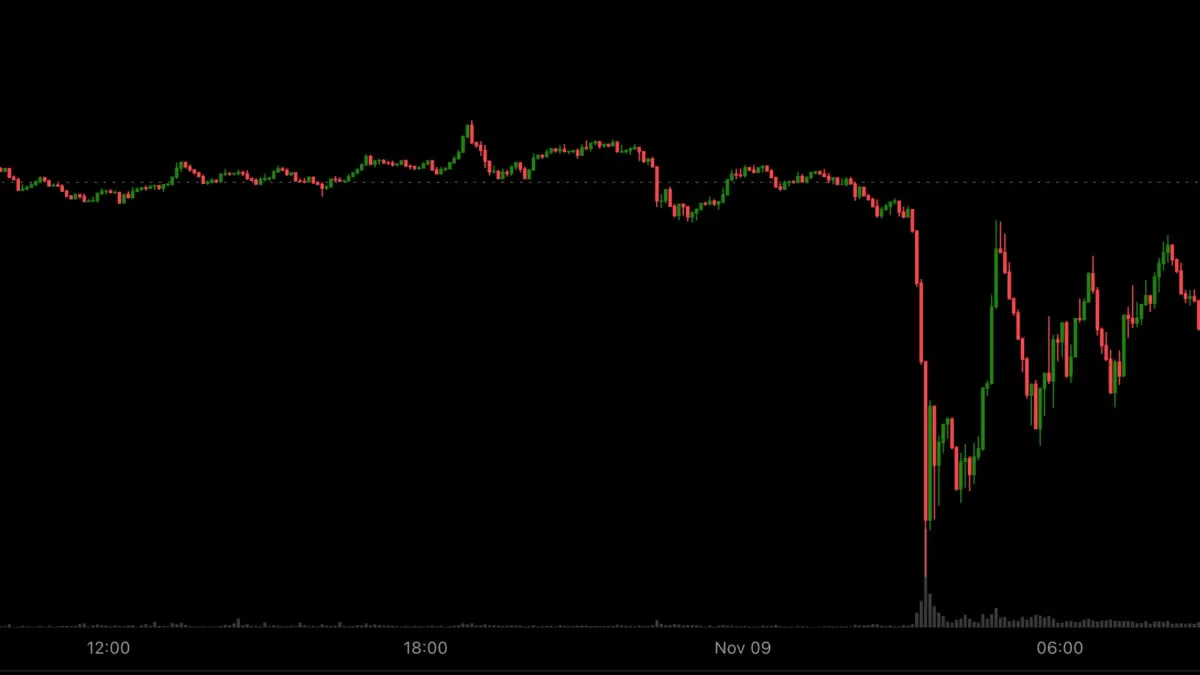
The price of Bitcoin (BTC) swung sharply in both directions last weekend, hitting its lowest point since August before reversing higher, as the market digested two major news events that shook global investors' appetite for risk.
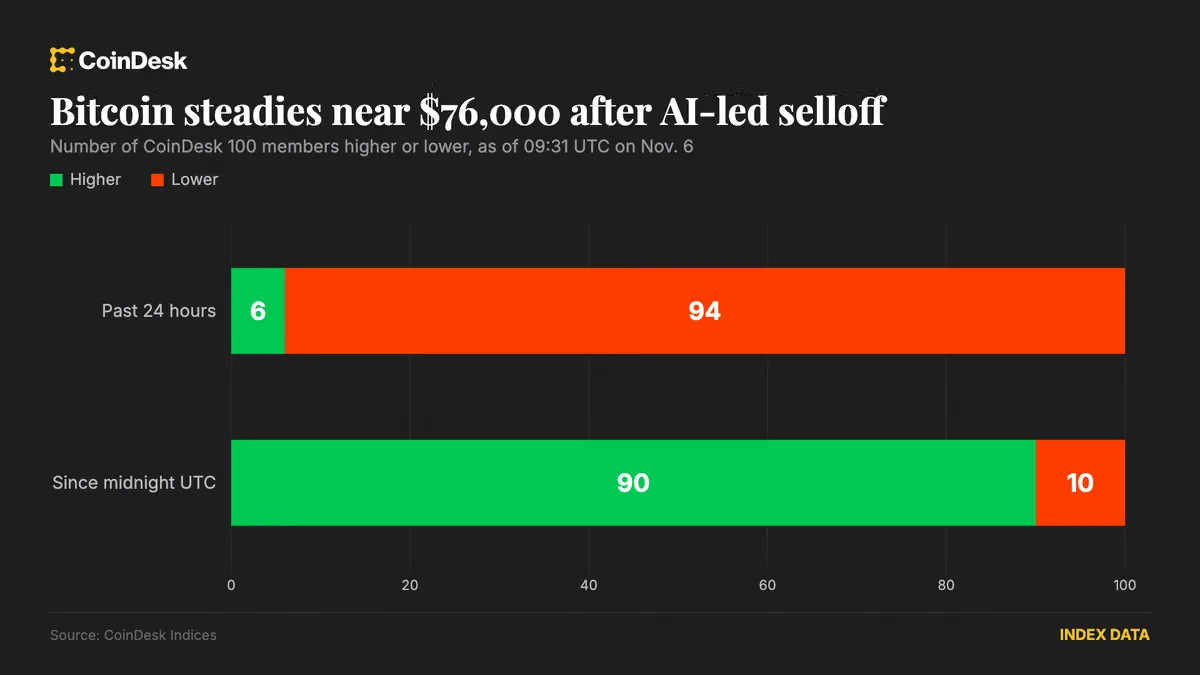
According to CoinDesk data, Bitcoin briefly fell to around USD 73,761 on Sunday night, its weakest level in recent months, before recovering and trading above USD 75,000. Ether (ETH), the second-largest cryptocurrency, was also knocked below USD 2,100 before rebounding to around USD 2,144. These extreme moves confirm that the digital market, which stays open while traditional exchanges are closed at weekends, is the first barometer of investor reaction to geopolitical and corporate events.
The first trigger came from artificial intelligence giant Nvidia. The company's board of directors announced an independent investigation following reports that CEO Jensen Huang had a relationship with Alice Huang, a business executive who, according to US intelligence agencies, allegedly passed information to Beijing. Jensen has acknowledged the relationship in a message to employees and issued an apology. Although Nvidia said it had found no evidence of leaks of company secrets or threats to national security, the board's move is being closely watched given Nvidia's strategic position in the US-China technology rivalry.
The second trigger was a statement by US Secretary of State Marco Rubio, who called Iran's demands "excessive" and stressed that negotiations had made no progress. Prolonged tensions in the Middle East usually push up oil prices, which in turn triggers risk aversion in financial markets. Since the Iran conflict began in March, Bitcoin has more often weakened when oil prices surged, even though it is frequently promoted as a hedge asset.
The wave of volatility triggered massive liquidations in the futures market. CoinGlass data showed more than USD 1 billion in trader positions were wiped out in 24 hours, with the majority occurring in the last six hours. Long positions—bets that prices will rise—accounted for USD 913 million of the total, indicating the market is punishing those who speculated too aggressively amid uncertainty.
"The crypto market is testing leverage resilience. The combination of corporate and geopolitical shocks makes open positions highly vulnerable," said a crypto derivatives analyst monitoring liquidation data, as quoted in a market report.
The impact of the Nvidia scandal did not stop at tokenized shares. The Nasdaq index, Wall Street's technology stock barometer, fell nearly 5% last week and extended a four-week losing streak. Concerns about the sustainability of the AI narrative—which has been the risk driver across all asset classes, including crypto—are weighing further on sentiment. NVDAX, the tokenized version of Nvidia shares traded on xStock, fell 3.55% to USD 180.42, below the parent stock's closing price on Nasdaq on Friday. This discount reflects crypto traders' expectation that Nvidia shares will fall further when traditional exchanges open on Monday.
For Indonesian investors, this turmoil is a reminder that digital asset markets are highly sensitive to global events, even those originating outside the crypto sector. Nevertheless, the direct impact on the domestic market is relatively limited because crypto exposure in Indonesia is still dominated by retail investors and is not yet widely integrated with the formal financial system. However, for those holding leveraged positions on global crypto exchanges, the risk of cascading liquidations remains real. The domestic financial services authority also continues to remind the public of the importance of understanding risk before trading volatile assets.
Going forward, Bitcoin's direction will depend heavily on how traditional markets react to these two issues. If Nvidia shares and technology indices come under pressure again, selling pressure in crypto could continue. Conversely, if Iran tensions ease and the Nvidia investigation does not uncover anything more serious, the rally to USD 75,000 could mark the starting point of a recovery. The question is whether investors will once again place their trust in risk assets amid the shadow of a scandal and geopolitical conflict that shows no signs of abating.