COP31 in Turkey: When Climate Diplomacy Risks Becoming Mere Cartoon
Baca dalam 60 detik
- Turki menjadi tuan rumah COP31, tetapi kapasitas dan komitmen iklimnya dipertanyakan.
- Kartunis Guardian menyoroti paradoks antara peran tuan rumah dan kebijakan domestik Turki.
- Keberhasilan COP31 akan bergantung pada kemampuan presidensi Turki mendorong kesepakatan pendanaan iklim.
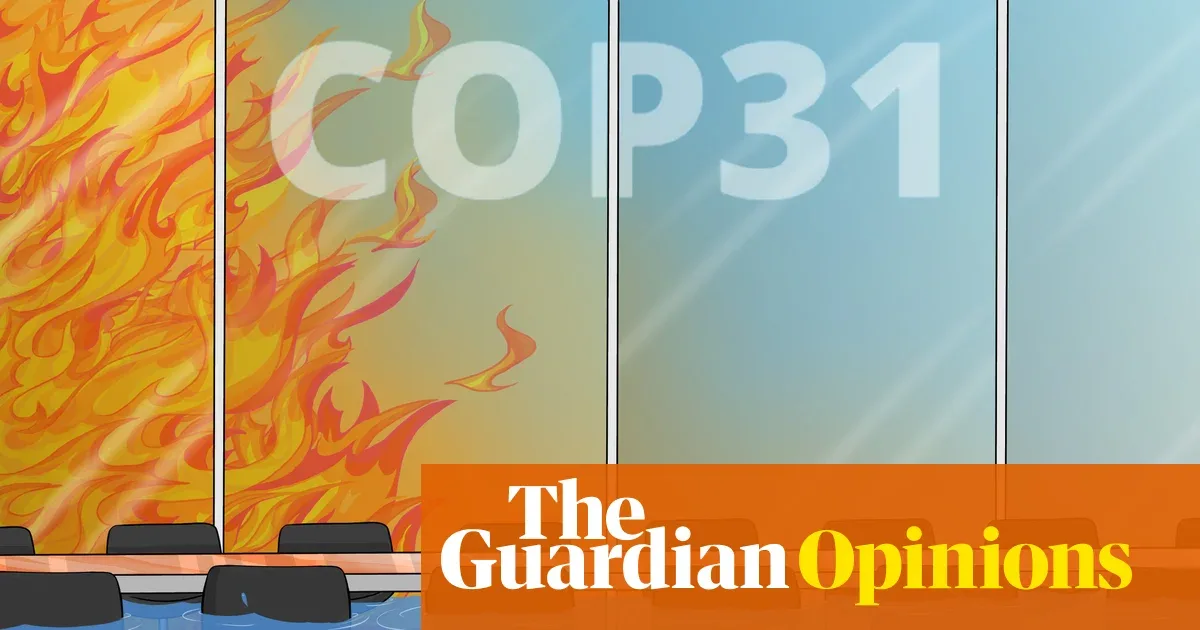
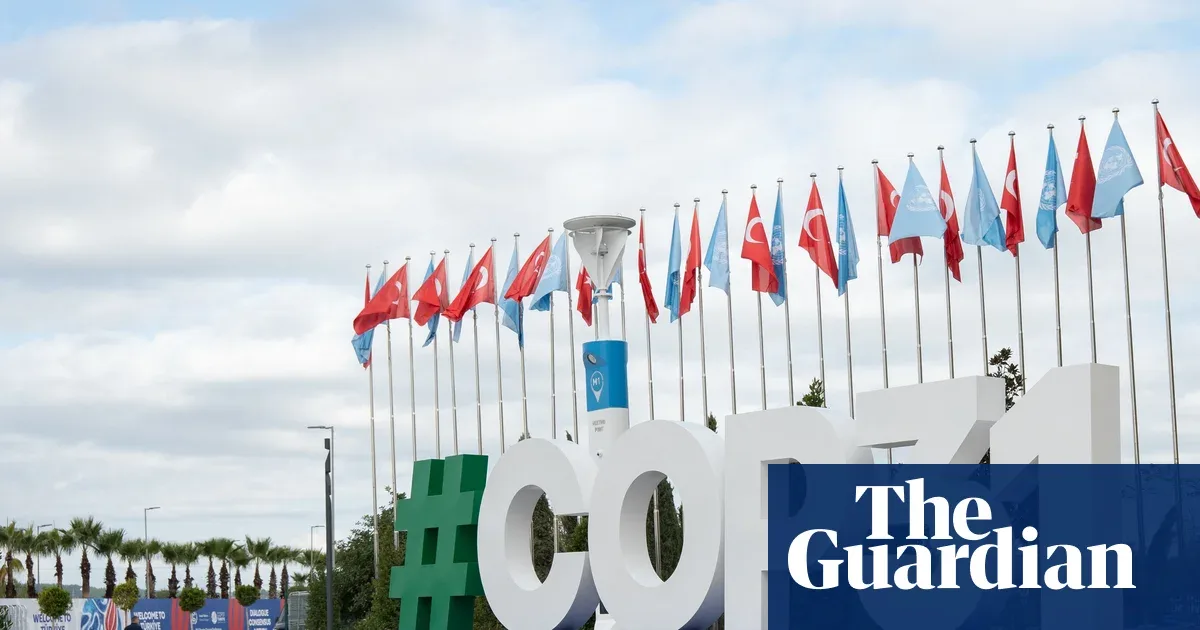
The UN Climate Change Conference (COP31) in Turkey is a test of the credibility of global climate diplomacy. A country that has long relied on coal and natural gas now holds the mandate to lead negotiations that will determine the direction of climate funding and the world's emissions-reduction ambition.
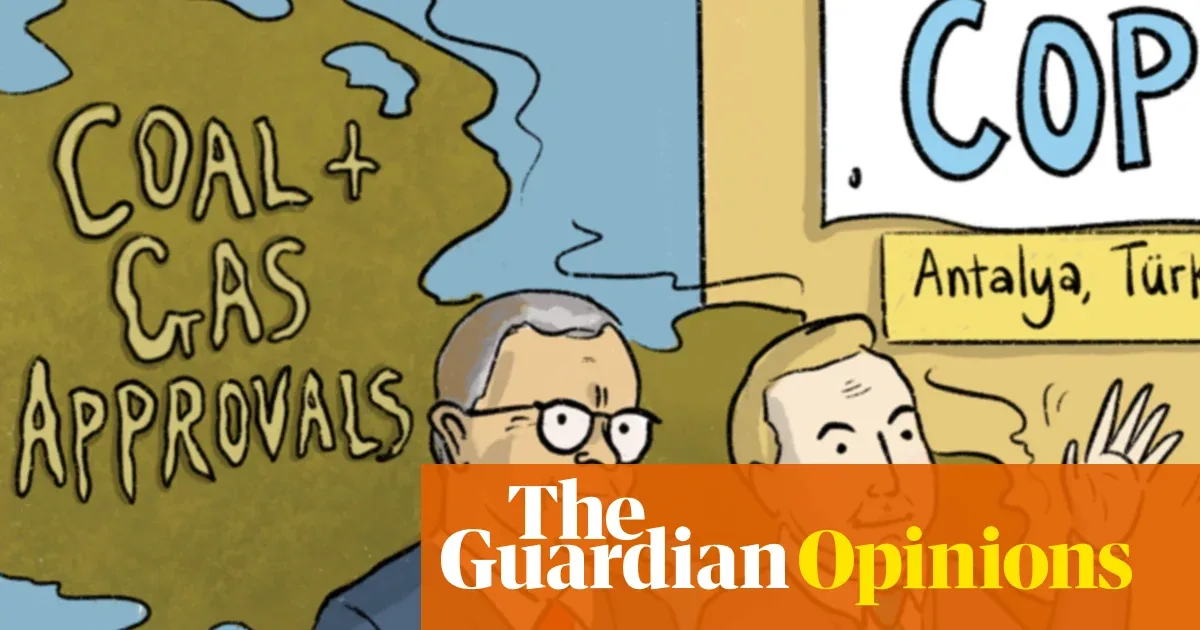
Turkey's selection as host in fact contains a paradox. On one hand, Ankara is trying to present itself as a bridge between developed and developing countries. On the other, its domestic energy policy still favors fossil fuels. Guardian cartoonist Nicola Jennings captured this irony in an illustration that places Turkey on the COP31 stage against a backdrop of smokestacks and unrealized commitments.
Criticism of Turkey is not unfounded. A recent Climate Action Tracker report places Turkey's climate commitment in the "highly insufficient" category. The emissions-reduction target submitted in its Nationally Determined Contribution (NDC) is judged to be inconsistent with the 1.5 degrees Celsius pathway. Nevertheless, as COP president, Turkey has an opportunity to prove its commitment through effective mediation, especially on the energy transition funding issue that is the main sticking point between rich and poor countries.
For Indonesia, Turkey's position as COP31 president is strategically significant. As a developing country that also faces energy transition challenges, Indonesia can use this forum to push for fair funding schemes. Both countries share similar characteristics: dependence on fossil energy, questioned climate commitments, and a large need for green investment. If Turkey fails to show leadership, trust in the multilateral process will erode further, and developing countries will find it increasingly difficult to obtain financial support to switch to clean energy.
"The COP presidency must be able to bridge national interests with global responsibility. Without that, the conference will only be an annual arena for rhetoric," said a climate policy observer from an international think tank, as quoted in an analysis report.
What is most awaited from COP31 is whether Turkey can push for a concrete agreement on climate funding, including the promise by developed countries to channel $100 billion per year. In addition, the operationalization of the Loss and Damage Fund agreed at COP28 must be realized immediately. Without a breakthrough on these two issues, COP31 risks becoming a diplomatic routine without real results.
Going forward, the world's eyes will be on Turkey's ability to manage domestic conflicts of interest while leading global negotiations. If Turkey's presidency produces only commitments on paper, the criticism that has so far appeared in the form of cartoons will turn into deeper distrust of the multilateral climate process. Will COP31 be a turning point, or merely a repetition of the same promises?