In Finland, This House Is Heated by Bitcoin Miners: Free as Long as BTC Stays Above USD70,000
Baca dalam 60 detik
- SunBit memasang mesin penambang bitcoin sebagai pengganti boiler untuk memanaskan rumah di Finlandia, dengan biaya instalasi sekitar USD20.000.
- Pemilik rumah bisa menikmati panas tanpa tagihan listrik bersih jika pendapatan bitcoin menutupi biaya listrik, yang saat ini terjadi pada harga BTC sekitar USD81.500.
- Namun, halving bitcoin 2028 mendatang dapat memangkas pendapatan penambangan, sehingga keekonomian sistem ini bergantung pada harga BTC yang lebih tinggi, sekitar USD131.000 pasca-halving.
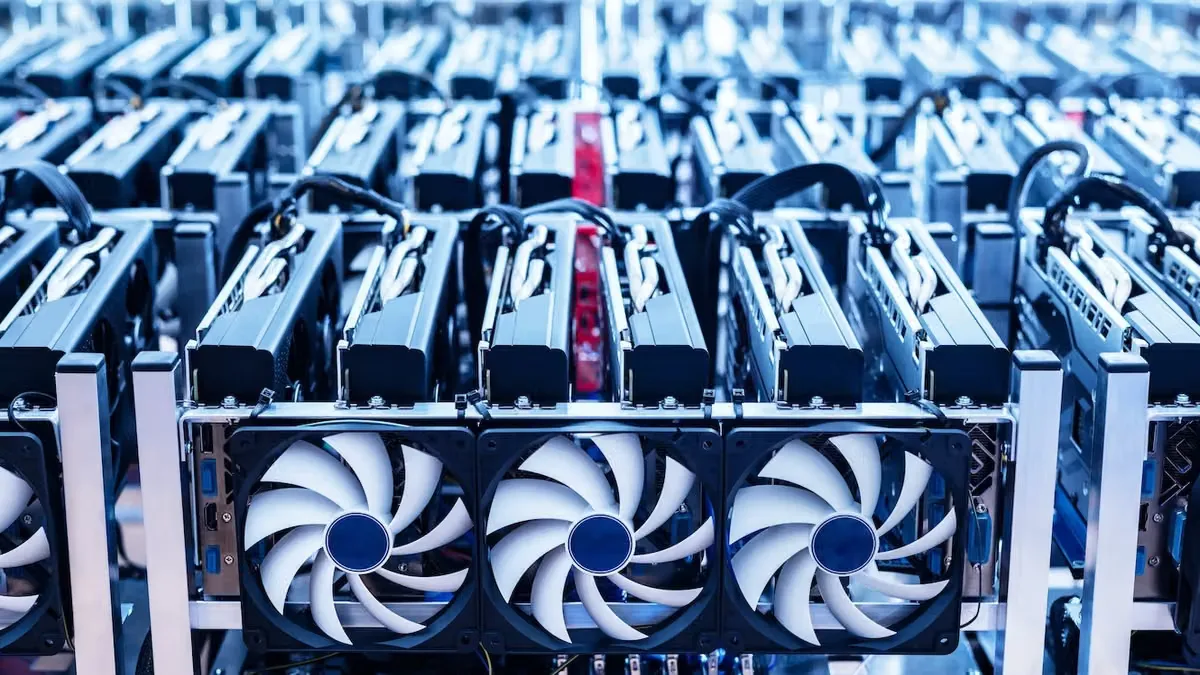
A 180-square-meter house in Nokia, Finland, has cut itself off entirely from the district heating network and switched to using bitcoin mining machines as its main heat source. The innovation, developed by local company SunBit, offers an alternative heating solution that also generates cryptocurrency, provided the bitcoin price stays above USD70,000 so that electricity costs can be covered.
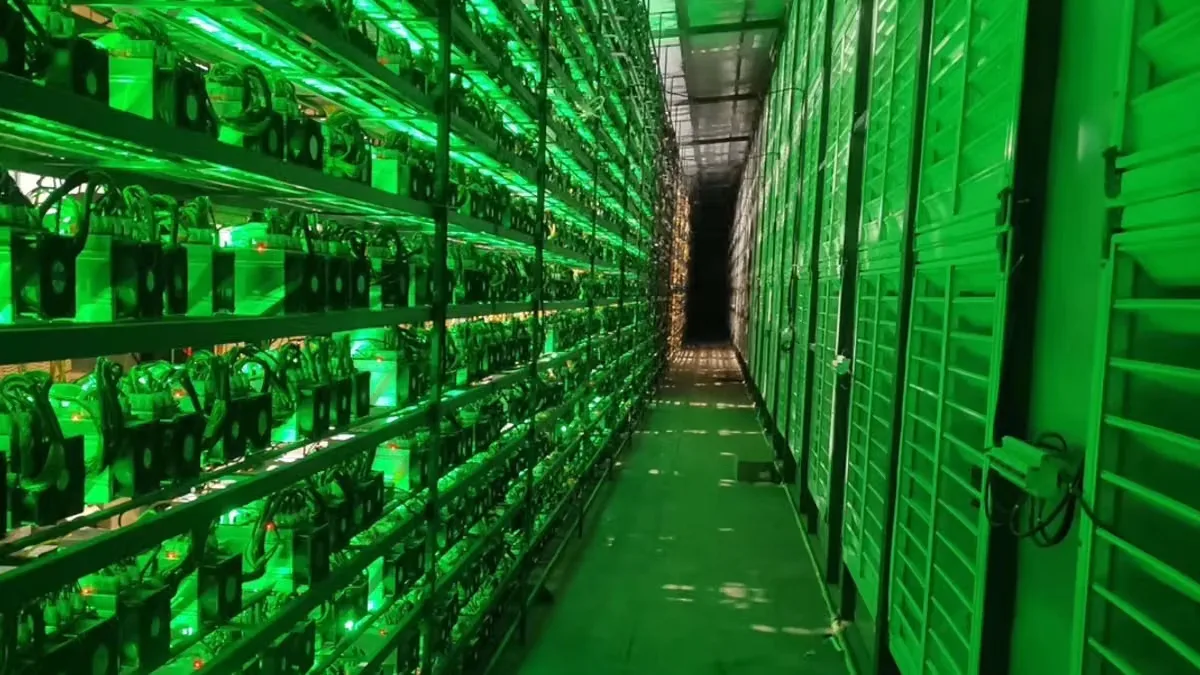
The concept is simple: every kilowatt-hour of electricity drawn by the mining computer is converted entirely into heat. SunBit captures that heat in water at temperatures of up to 60°C and circulates it through radiators and underfloor pipes, much like a conventional oil or gas boiler. As long as the machine runs, bitcoin keeps being mined, so the homeowner can potentially get heat with no net energy bill—as long as the bitcoin revenue is enough to pay for electricity.
However, the system's upfront cost is not cheap, at around USD20,000 or more, and its profitability is heavily influenced by the bitcoin price, electricity costs, and network difficulty. SunBit founder and CEO Elmeri Suomi stressed that the heating function keeps working regardless of market conditions; only the payback period changes. "The heating itself works regardless of the market, and only the payback time shifts," he said.
SunBit shipped its first production batch of Bitcoin Boilers in 2025 and now has 30 systems in operation, almost all of them in Finland. The system has replaced or reduced the use of gas, oil, wood, and district heating across various properties. One of the first exports to the Netherlands is used at a commercial property in Lekkum, replacing a gas heater. In Kotka, a 200-square-meter house uses a hybrid system alongside an existing oil boiler, while in Tampere, a manor house switched from wood heating and keeps a 1,500-liter water tank at 50–60°C.
Finland is indeed a natural laboratory for harnessing heat from bitcoin mining. The company MARA has supplied waste heat from its miners to district heating networks in Satakunta and Seinäjoki, warming around 80,000 residents. SunBit brings this concept closer to consumers: property owners buy the machine, install it where the old boiler was, and the household owns the machine, pays for its electricity, and keeps the bitcoin it generates.
"Mining currently yields slightly more per kWh than the cost of electricity, so the heat is essentially a free byproduct," Suomi said.
Promising as it is, there are some caveats. More than half of the heat generated goes unused in the house and is dumped through a dry cooler, especially in summer. The heating efficiency also falls short of ground-source heat pumps, which can produce 2.5–3 kWh of heat per kWh of electricity, whereas miners convert only 1 kWh of electricity into 1 kWh of heat. However, Suomi argues that miners have an edge in extreme winters because their output does not depend on outdoor air temperature, unlike air-source heat pumps whose efficiency drops sharply at -25°C.
The big question is the economic sustainability after the 2028 halving. Assuming SunBit's current parameters, mining revenue will fall from about 13 cents/kWh to 7 cents/kWh, below the 11 cents/kWh electricity cost. That means homeowners who install this system this winter will enjoy the current margin for only about 18 months before the halving cuts revenue. After that, free heating will last only if bitcoin surges above USD131,000.
For Indonesia, the concept of bitcoin miner-based heating may not be directly relevant because of the tropical climate. However, the idea of using waste heat from data centers or crypto operations for other energy needs—such as water heating or drying agricultural produce—could be an interesting area of study. With competitive industrial electricity prices and abundant renewable energy potential, Indonesia has an opportunity to develop a similar model for energy efficiency, provided the economics are carefully calculated and regulation is supportive.
Looking ahead, SunBit's innovation shows that bitcoin adoption is no longer just about price speculation but is starting to reach into practical energy solutions. Will this model survive after the 2028 halving, or will it instead become a lesson that relying on a volatile asset for basic needs like heating carries risks that cannot be ignored? Time will tell, but for dozens of buildings in Finland, "number go up" has now become a heating plan.