Bitcoin Miner Shares Plunge 35% in October, VanEck Calls Them Oversold
Baca dalam 60 detik
- VanEck menilai saham penambang Bitcoin yang beralih ke infrastruktur AI telah jatuh terlalu dalam akibat kepanikan pasar, bukan karena penurunan fundamental.
- Kekhawatiran kredit dari perusahaan penyewa GPU menjalar ke penyedia daya, diperparah inflasi AS yang panas dan ketidakpastian politik menjelang pemilu midterm.
- Dengan kapasitas listrik yang tetap langka dan kontrak jangka panjang yang masih utuh, koreksi ini justru dipandang sebagai peluang masuk bagi investor jangka panjang.
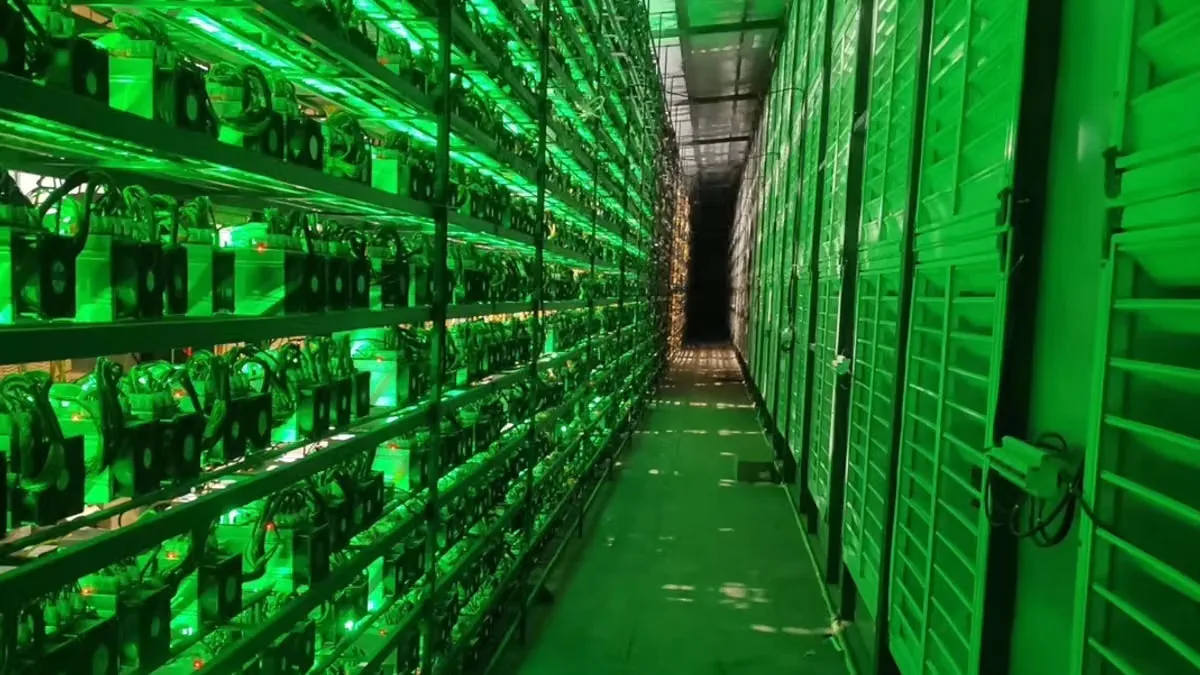
VanEck argues that the massive sell-off in shares of Bitcoin mining companies that have expanded into the artificial intelligence (AI) data center business has gone beyond reasonable limits. In a research note released Wednesday (5/11), the investment manager described the average 35% decline throughout October as a price dislocation, not a rejection of the business model now being transformed.
The sharp correction occurred because the market treated issuers from different sectors as a single trading basket. VanEck highlighted that companies such as Hut 8 and Core Scientific—which VanEck categorizes as powered shell providers (PSP) because they supply power for AI operations—were dragged into the panic originating from GPU lessors such as CoreWeave.
Credit concerns spread to PSPs as debt costs in the AI sector rose, used to finance the purchase of expensive chips. The pressure was compounded by macro factors: US inflation that came in higher than expected in September and uncertainty ahead of the November midterm elections. As a result, investors tended to offload risk assets uniformly without distinguishing the balance sheet quality of each issuer.
In VanEck's view, the power controlled by these companies is the main constraint on AI computing, not demand. "At current levels, we believe these shares are significantly dislocated from their fundamentals, given the long-term contracted cash flows they hold," VanEck wrote, as quoted in the note.
Crucially, according to VanEck, not a single signed lease contract has been canceled. The GPU lessors—known as neoclouds—do face a heavy debt repayment burden, but demand for computing power has not slackened. On the contrary, long queues for grid connections make the energy capacity already available increasingly valuable.
We see the October sell-off as a potentially attractive entry point, not as the collapse of the pivot-to-AI narrative.
For the global crypto market, this signal from VanEck matters because it highlights a shift in the Bitcoin mining landscape. As revenue from block rewards comes under pressure, many miners are pivoting to become providers of energy and computing infrastructure. This hybrid business model means their valuations no longer merely track the Bitcoin price, but also the global AI spending cycle.
In Indonesia, this dynamic is relevant to players in the data center and renewable energy industries. Reliable power supply and competitive grid connection times are decisive factors in the investment appeal of AI data centers. If the global trend shows that power capacity is the scarcest asset, domestic energy policies that speed up permitting and grid connections could attract foreign capital to this sector.
Looking ahead, the question is whether investors will once again distinguish between power providers with strong balance sheets and debt-laden GPU lessors. If long-term contracts hold and the inflation spike subsides, the October correction could be a turning point for PSP shares. But if debt costs keep rising and political uncertainty persists, selling pressure could once again test the resilience of this sector.