Asador Etxebarri Takes World No. 1 Spot, but the 50 Best Restaurants Contest Faces Growing Scrutiny
Baca dalam 60 detik
- Asador Etxebarri dari Spanyol menempati posisi teratas dalam daftar The World's 50 Best Restaurants 2026 yang diumumkan di Lima, Peru.
- Sejumlah koki ternama mempertanyakan biaya waktu dan energi untuk masuk daftar, serta pengaruh sistem terhadap industri kuliner.
- Kritik terhadap ajang ini memunculkan pertanyaan tentang masa depan penilaian restoran yang lebih transparan dan berkelanjutan.
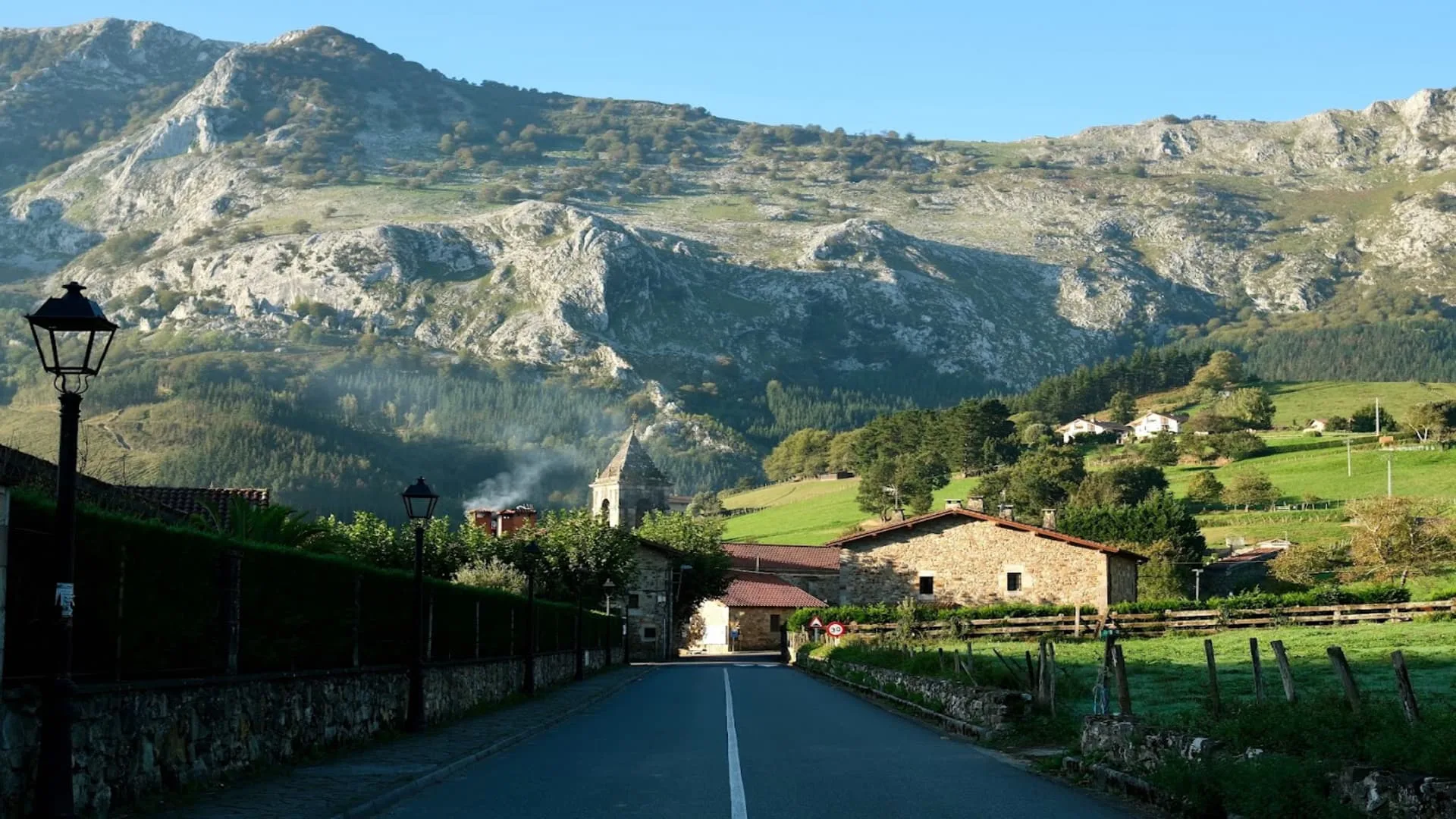
Asador Etxebarri in Atxondo, Spain, was named the world's best restaurant by The World's 50 Best Restaurants at a ceremony held Wednesday night in Lima, Peru. The decision places the kitchen led by Bittor Arguinzoniz at the top of global culinary competition, but it also raises debate about the list's relevance and impact.
Asador Etxebarri is known for its grill-based cooking and local ingredients, from grilled beef to mozzarella made from milk of the chef's own water buffalo, and house-made chorizo. In second place is Gaggan in Bangkok, which combines progressive Indian cuisine with French, Thai, and Japanese touches. Alchemist in Copenhagen, led by Rasmus Munk, took third place.
This year's list also marked India's return to the top 50 for the first time since 2004, through Masque at No. 26 and NAAR at No. 49. Mainland China also returned after 2021 with Meet the Bund in Shanghai (21) and Ru Yuan in Hangzhou (36). The SevenRooms Icon Award went to Ferran Adrià, the visionary chef behind the now-closed El Bulli, who continues to drive culinary research and education through his nonprofit foundation.
Though seen as a reputation maker, The 50 Best Restaurants faces sharp scrutiny. Ana Roš, chef of Hiša Franko in Slovenia, ranked 60th this year, announced on Instagram that she would not attend the ceremony in Lima. She chose instead to invest resources in guests, her team, producers, and daily work for the advancement of her restaurant. Her post received more than 10,400 likes, including from world-renowned chefs.
"Over time, success in rankings depends more and more on visibility within the system itself," Roš said, adding that promoting a restaurant risks becoming as important as the real work in the kitchen.
Similar criticism came from Ivan Brehm, chef-owner of Nouri in Singapore, which holds a Michelin star. He argued that guides and lists now shape the industry they are supposed to assess. "Their assessments influence where customers eat, the flow of investment, the attention chefs receive, and the aspirations of young cooks," he told CNBC. Brehm stressed that this does not erase the brilliance of restaurants on the list, but questions what is left out and what the system pushes forward.
The burden of time and energy is also a dilemma. Dave Pynt, chef-owner of Burnt Ends in Singapore and winner of the 50 Best Chef's Choice Award 2017, said he was not in Lima this year. "Flying takes a very long time for a short time on the ground. Like Ana, I feel my time is better spent at the restaurant with my team and guests," he said.
The 50 organization defended its position. A spokesperson said they do not claim to have the capacity to monitor restaurant budgets or activities. "The role of The 50 is to present an expert opinion snapshot of the best hospitality experiences in a region or category. We are not a regulatory body and apply the same voting rules and principles consistently across all countries and regions," the spokesperson said.
In Indonesia, this phenomenon is relevant to the development of the national culinary industry, which is beginning to step onto the global stage. Restaurants such as Locavore in Ubud, Bali, have appeared on prestigious Asia lists, showing that Indonesian kitchens can compete. However, the cost of building international visibility—from promotional trips to hosting judges—is a challenge in itself, especially for small and medium-sized businesses. Reliance on external recognition also risks shifting focus away from the quality of local ingredients and the welfare of kitchen teams.
Looking ahead, the question is whether assessment models like The 50 Best will survive pressure to be more transparent and inclusive. As more chefs choose to stay in the kitchen rather than chase the stage, the industry may need to redefine how it measures excellence: from a mere list to an ecosystem that truly values the real work behind every dish.