Hasto Kristiyanto Claims Illegal Wiretapping Rose After Constitutional Court Ruling 90, PDI-P Calls It Treason
Baca dalam 60 detik
- Sekjen PDI-P Hasto Kristiyanto menuding praktik penyadapan ilegal terhadap tokoh kritis dan bahkan presiden meningkat setelah Putusan MK Nomor 90 Tahun 2023.
- PDI-P mengategorikan penyadapan terhadap kepala negara sebagai makar dan pelanggaran HAM serius, bukan sekadar penyalahgunaan wewenang.
- Hasto mendesak penyadapan diatur ketat dengan izin pengadilan dan menyerahkan identifikasi dalang sepenuhnya kepada proses hukum.
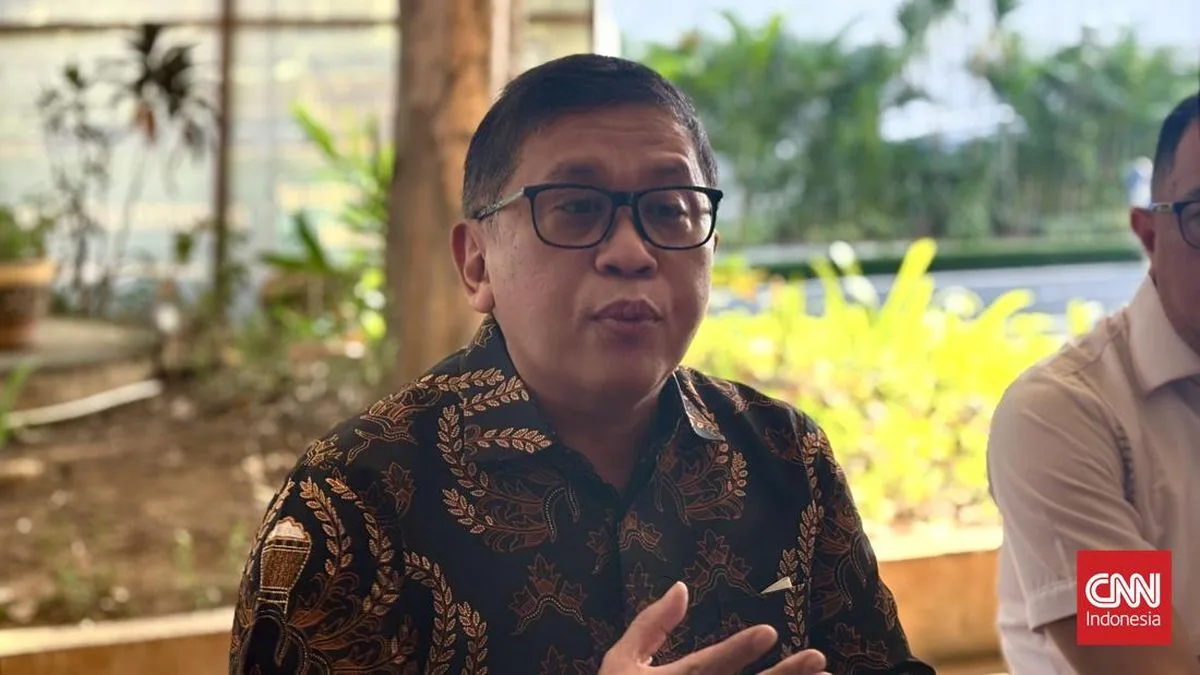
JAKARTA — Secretary General of PDI Perjuangan Hasto Kristiyanto said that alleged illegal wiretapping of political figures and critical groups has become more widespread since the Constitutional Court issued Ruling Number 90 of 2023. Hasto made the statement in a press briefing on Saturday (7/11), immediately drawing President Joko Widodo and former National Police chief Listyo Sigit Prabowo into the center of the controversy.
Constitutional Court Ruling 90 was indeed a turning point in the national political contest. The regulation changed the age requirements for presidential and vice-presidential candidates, which then paved the way for Gibran Rakabuming Raka to run as vice-presidential candidate in the 2024 Presidential Election. For Hasto, the rule change was not merely a constitutional matter but an entry point for a series of abuses of power, including wiretapping operations he described as systematic.
“After Constitutional Court Ruling Number 90 of 2023, various attempts to abuse power, including the emergence of parcok, were also accompanied by various forms of wiretapping used as a weapon to suppress those who were critical of the Jokowi administration at the time,” Hasto said, citing the term “parcok,” which refers to the practice of cawe-cawe, or intervention by those in power.
What most angered PDI-P was when the wiretapping targeted the president as head of state and head of government. Hasto called the act treason that cannot be tolerated. “For PDI Perjuangan, when even the president is wiretapped, then this is clearly an act of treason,” he stressed.
Furthermore, Hasto argued that wiretapping of political figures and activists is not an ordinary administrative violation. According to him, the practice falls into the category of gross human rights violations as well as a crime against the state and the people. Based on PDI-P's experience, wiretapping is often used to silence critical voices that oppose the government.
Hasto also disclosed his personal experience. He said he had received pressure from an envoy of the then National Police chief, Listyo Sigit Prabowo, after actively criticizing the conduct of the 2024 Election. That pressure, he said, did not come without instruments. Information from illegal wiretapping, according to Hasto, was used to pressure parties not aligned with the Jokowi administration. “Why could they pressure? Because they also carried out wiretapping functions illegally. That information was used to pressure critical parties,” he said.
“Wiretapping must be carried out with a very strict mechanism through court approval and preceded by an investigation process first.” — Hasto Kristiyanto, Secretary General of PDI-P
Although he accused a mastermind of being behind the wiretapping operations, Hasto was reluctant to name the person. He left it entirely to the applicable legal process. Analysts view the stance as an effort by PDI-P to keep political pressure within the realm of public opinion without getting trapped in accusations that are difficult to prove. However, Hasto's statement remains a signal that the conflict between PDI-P and those in power after the 2024 Presidential Election has not subsided.
In the Indonesian context, the issue of illegal wiretapping is indeed nothing new. Several previous cases involved law enforcement officers and state institutions, but oversight of this practice is considered weak. Hasto urged that the wiretapping mechanism be returned to a transparent legal corridor, rather than being used as a political tool to suppress opponents. He stressed the importance of court permission as an absolute requirement before wiretapping is carried out.
Hasto's statement has the potential to sharpen the debate over the boundary between national security interests and the protection of civil rights. If the allegations of illegal wiretapping of the president and critical figures are true, then the public has the right to demand transparency and accountability from the authorities. Conversely, if unproven, the accusation could become a political boomerang for PDI-P. Going forward, the push for stricter regulation of wiretapping through a revision of the law or a new Constitutional Court ruling will be a test of the state's commitment to democracy and human rights.