Morgan Stanley Begins Tokenizing US Stocks and Treasuries on Blockchain, Opening a New Chapter for Capital Markets
Baca dalam 60 detik
- Morgan Stanley mengumumkan diri sebagai salah satu bank pertama yang memanfaatkan layanan tokenisasi DTCC untuk mengubah saham dan surat utang AS menjadi aset digital.
- Layanan DTS yang diluncurkan 28 Oktober 2025 memungkinkan perdagangan 24/7 dengan hak kepemilikan dan perlindungan investor yang setara dengan aset konvensional.
- Dukungan dari 20 institusi keuangan besar dan restu SEC menandai percepatan adopsi tokenisasi aset dunia nyata di pasar keuangan global.
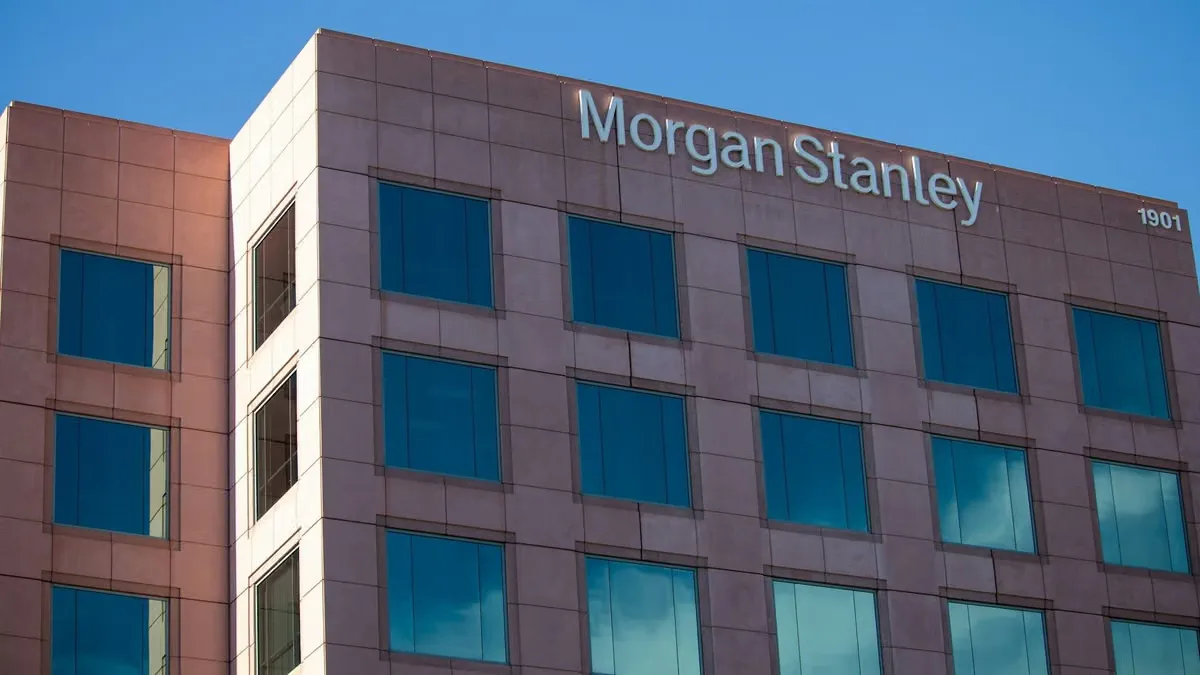
Morgan Stanley has officially put its name among the global investment banks adopting the tokenization of conventional financial assets. The move follows the Depository Trust & Clearing Corporation (DTCC) launching its Tokenization Service (DTS) on 28 October 2025, an infrastructure that allows US stocks and government debt to be traded as tokens on a blockchain.
DTCC, the institution that has long been the backbone of clearing and settlement of securities transactions in the US, designed DTS so that issued tokens carry ownership rights and investor protections identical to those of the underlying assets. Token holders can move between conventional and digital forms, and store them in personal digital wallets. The initiative is said to be able to improve liquidity, ease collateral movement, and drive capital efficiency.
Amy Oldenburg, Head of Digital Assets Strategy at Morgan Stanley, stressed that direct experience integrating token securities with established market infrastructure will be the foundation for developing the company's digital asset capabilities going forward. The statement underscores that tokenization adoption is not merely a technology experiment, but part of the bank's long-term strategy.
"Direct experience integrating token securities with existing market infrastructure will inform the development of the company's digital asset capabilities as the market evolves," Oldenburg said.
Morgan Stanley's move reinforces the trend of real-world asset (RWA) tokenization that is increasingly drawing the interest of traditional financial institutions. With tokenization, assets such as stocks and bonds can be traded fractionally and around the clock, opening opportunities for retail and institutional investors to access markets previously limited by operating hours and minimum requirements.
Nevertheless, some market observers caution that mass adoption of tokenization still faces challenges, particularly regarding cross-jurisdictional regulatory frameworks, interoperability standards between blockchains, and the readiness of custodian infrastructure. The presence of DTCC as a centralized operator is seen as capable of allaying some of those concerns, given its track record as the largest post-trade service provider in the US.
For Indonesia, this development serves as a mirror for regulators and capital market players at home. The Financial Services Authority (OJK) and the Indonesia Stock Exchange (BEI) are studying the potential of asset tokenization, including for government debt instruments and stocks. If adopted, tokenization could broaden the investor base and increase domestic market liquidity, but it requires clear rules on the legality of token ownership, transaction settlement mechanisms, and consumer protection.
Going forward, the question is how quickly other banks will follow in Morgan Stanley's footsteps and whether tokenization will become a new standard in global securities trading. With the backing of 20 major institutions and the SEC's blessing, the wind direction appears to be set: Wall Street is taking the shift of conventional assets onto the blockchain increasingly seriously.