Zcash Grants Committee Scraps Plan to Shift 98,000 ZEC to Mining Rewards
Baca dalam 60 detik
- Komite Zcash Community Grants membatalkan proposal yang akan mengalihkan sekitar 98.000 ZEC ke cadangan imbalan penambang, hanya lima hari setelah diajukan.
- Pembatalan terjadi setelah kritik keras terhadap alokasi dana komite yang dinilai tidak transparan, termasuk pendanaan proyek kontroversial di konvensi industri dewasa.
- Sejumlah proposal tandingan masih mengambang, menandakan perdebatan soal siapa yang berhak mengendalikan kas Zcash akan terus berlanjut hingga jaringan melakukan peningkatan aturan.
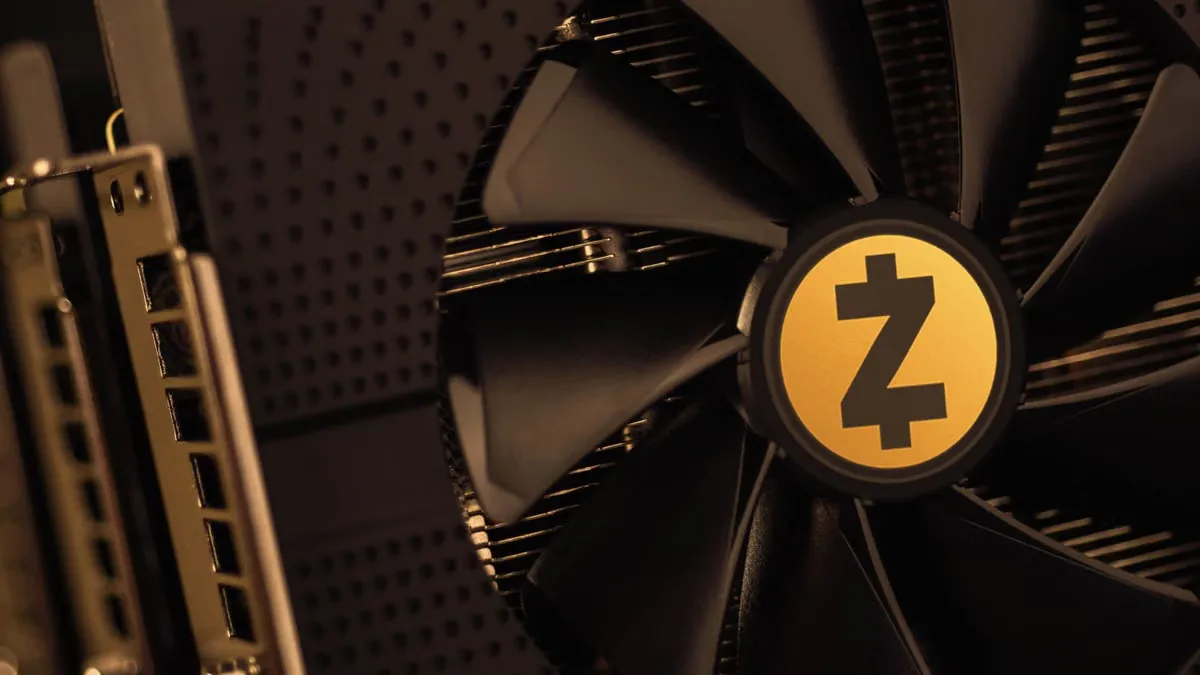
The grants committee of the Zcash privacy network, Zcash Community Grants (ZCG), has decided to withdraw a plan to shift roughly 98,000 ZEC into a reserve for future miner rewards. The decision came just five days after the proposal was submitted, marking the committee's retreat amid increasingly sharp community pressure.
The proposal, published on 29 October, would have moved 36,200 ZEC from the committee's treasury of about 91,500 ZEC into the Network Sustainability Mechanism, a reserve used to top up miner block rewards gradually. In addition, the plan would have cut ZCG's projected revenue through the 2028 halving from about 109,000 ZEC to 47,000 ZEC, with further declines toward 2032.
However, criticism of the scale of the funding flowing to the grants program forced the committee to reverse course. "We have decided not to proceed with this proposal," the committee wrote, adding that future funding should be determined through Zcash's usual governance process. ZCG itself consists of five members who approve grants for developers and community projects without involving coin holders in a vote on each award.
Tensions peaked after an outreach project called ZECsy, funded by ZCG, promoted private payments at an adult industry convention in New Jersey in late October. Critics questioned the committee's spending and accountability, while supporters argued that sex workers—a group that often faces banking restrictions—are among those most in need of financial privacy.
The debate essentially touches a fundamental question: who has the right to control the Zcash treasury and what the funds are used for. Every coin shifted into the miner rewards reserve is a coin that cannot be spent on development. The proposal was therefore not merely about numbers, but about the future direction of the Zcash ecosystem.
Several key Zcash figures have put forward counter-proposals. Zcash co-founder Sean Bowe initially proposed ending automatic funding for ZCG entirely. He later joined Zcash founder Zooko Wilcox in a separate draft that would require ZCG to deposit 50,000 ZEC into the reserve and shift its future funding to a new development and legal aid fund. Meanwhile, Zcash developer Daira-Emma Hopwood proposed keeping the 8% allocation but directing grants toward efforts to boost ZEC adoption.
"We have decided not to proceed with this proposal. Future funding should be decided through Zcash's usual governance process," the ZCG statement said.
So far, no proposal has been adopted. ZCG is still collecting about 144 ZEC per day until a network upgrade changes the applicable rules. The situation creates uncertainty for developers and ZEC holders awaiting clarity on the direction of funding.
For Indonesia, the dynamics of Zcash governance could serve as a mirror for local crypto projects that are beginning to develop community funding models. The main lesson: transparency and accountability in managing a shared treasury are not merely formalities, but a prerequisite for maintaining public trust and the sustainability of the ecosystem.
Going forward, attention will focus on whether the Zcash community can formulate a more accountable funding model before the next network upgrade. Without a clear agreement, the potential for internal conflict could erode focus on developing the privacy technology that is Zcash's main selling point.