Moscow Exchange to Keep Trading Crypto Despite US Sanctions, Bitcoin and USDT Start in December
Baca dalam 60 detik
- Moscow Exchange akan membuka perdagangan bitcoin, ether, dan USDT bagi investor Rusia mulai 1 Desember, meski bursa dan kliringnya masih terkena sanksi Departemen Keuangan AS.
- Langkah ini menantang dominasi pasar kripto lepas pantai, tetapi volume transaksi domestik diperkirakan hanya sebagian kecil dari total aktivitas kripto Rusia yang mencapai miliaran rubel per hari.
- Kehadiran USDT di bursa bersanksi memunculkan pertanyaan tentang konsistensi kebijakan pembekuan Tether, sementara investor ritel dibatasi ketat dan wajib lulus uji pengetahuan.
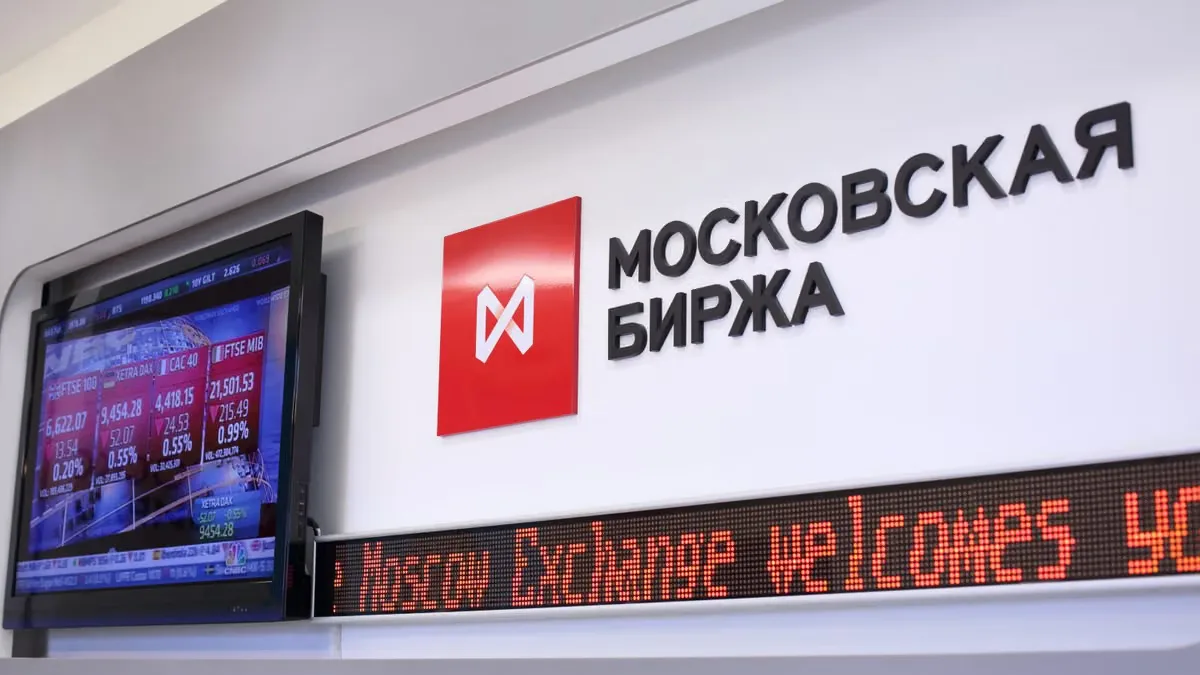
Russia's largest stock exchange, Moscow Exchange, will open trading in bitcoin, ether, and the USDT stablecoin starting 1 December 2026, even though the exchange itself and its clearing house remain on the US Department of the Treasury's sanctions list. The move marks Russia's effort to pull crypto flows that have long run through offshore platforms into a more controlled domestic financial system.
Trading will take place during the same hours as the stock market, from 06.50 to 23.50 Moscow time. The National Clearing Centre (NCC) will serve as the clearing house, with same-day or next-day settlement and swap facilities to manage liquidity. However, both Moscow Exchange and NCC have been under US sanctions since June 2024, when the Treasury blocked both and allowed only wind-down licenses.
The decision is an interesting test for Tether, the issuer of USDT. The company routinely freezes wallets on the US Treasury's sanctions list. Now USDT will be traded through an exchange and clearing house that are themselves sanctions targets. CoinDesk has asked Tether for comment on how that freezing policy applies to USDT held through NCC, but has not yet received a response.
Although the first-year projection looks ambitious, a simple calculation shows that most of Russia's crypto flows will likely remain outside the domestic exchange. If the projection of 4 trillion rubles per year is spread evenly, the figure is only about 11 billion rubles per day—far below Chebeskov's estimate of 50 billion rubles per day. That means the Moscow exchange will capture only a small fraction of activity that has so far been dominated by offshore exchanges and peer-to-peer markets.
For retail investors, access to crypto on this exchange is not entirely free. They must pass a knowledge test and are limited to purchases of at most 300,000 rubles per year through a single broker. Meanwhile, qualified investors—who usually have larger portfolios—are not subject to that limit. The policy reflects the cautious approach of Russian authorities: opening the door to crypto while still limiting retail exposure to the volatility of digital assets.
The Moscow Exchange move also shows Russia's effort to build alternative financial infrastructure amid pressure from Western sanctions. By providing crypto trading on a platform the public already knows—such as the screens commonly used for Sberbank and Gazprom shares—Russia hopes to attract domestic investors who have so far been reluctant to deal with less-supervised offshore exchanges. However, US sanctions remain a shadow: access to the global financial system could be hampered, and international partners may hesitate to deal with an entity subject to restrictions.
“We estimate that crypto trading volume under the new rules could reach 4 trillion rubles in the first year,” said Anatoly Popov, Deputy Chairman of Moscow Exchange, to the TASS news agency in late August, as quoted by CoinDesk.
For Indonesia, this development is a mirror showing that crypto adoption in the domestic market cannot be separated from geopolitical dynamics. Domestic regulators, including Bappebti and Bank Indonesia, have so far taken a different path: tightening supervision of crypto assets while encouraging innovation in the digital financial sector. The Moscow Exchange story shows that when sanctions hinder access to the conventional financial system, a domestic exchange can become a shortcut—but with compliance risk and systemic stability consequences that need to be watched.
Going forward, the question is how much trading volume will actually move to the Moscow exchange, and whether Tether will take a firm stance on USDT traded there. If domestic crypto flows absorb only a small fraction of the market, the dominance of offshore exchanges will remain strong—and US sanctions will continue to be a determining factor in the global crypto liquidity map.