Three 2027 Asian Cup Arenas, a Mental Test for Indonesia in Saudi Arabia
Baca dalam 60 detik
- Timnas Indonesia akan bertarung di Grup Piala Asia 2027 dengan tiga stadion berbeda di Arab Saudi sebagai markas pertandingan.
- Aramco Stadium, King Abdullah Sports City, dan Prince Abdullah Al Faisal Sports City menjadi saksi perjalanan Garuda menghadapi Qatar, Jepang, dan Thailand.
- Jadwal padat dan kapasitas stadion yang bervariasi menuntut adaptasi cepat skuad asuhan John Herdman untuk meraih tiket ke babak gugur.
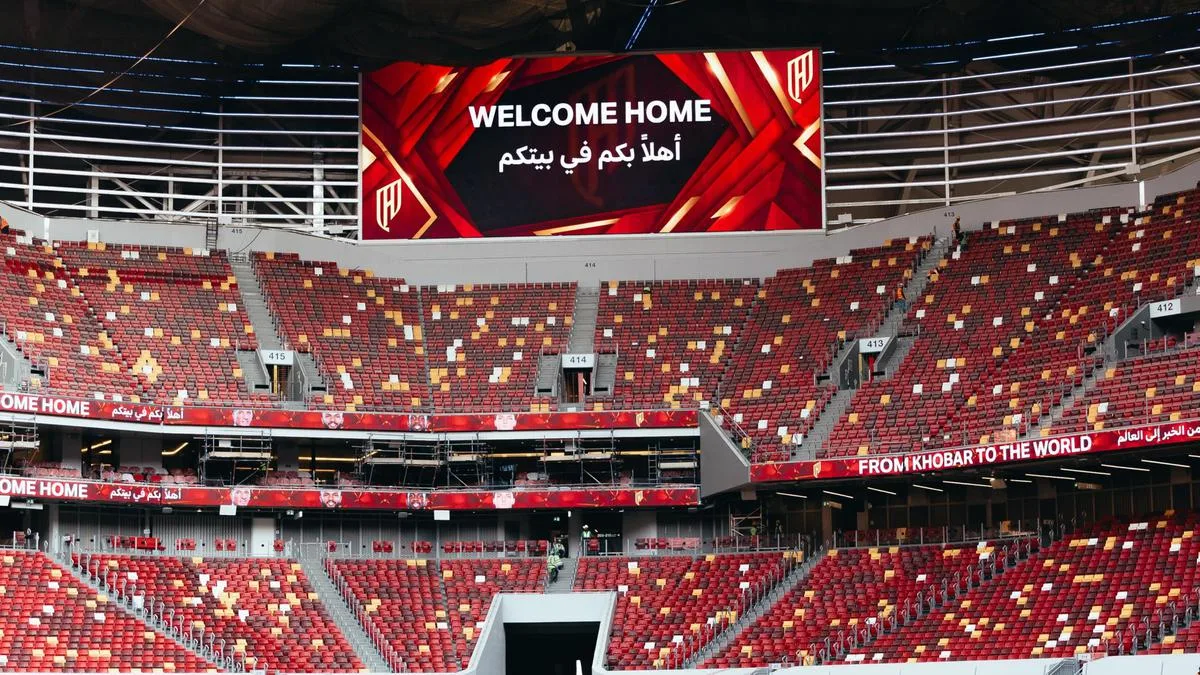
Indonesia have secured their place at the 2027 Asian Cup in Saudi Arabia, and attention now turns to the three stadiums that will host their group-stage battles. The tournament, held in January 2027, is the Garuda's second consecutive test at Asian level after the 2023 Asian Cup in Qatar.
Unlike the previous edition, Saudi Arabia has built only one new stadium, Aramco Stadium, while the other two arenas are renovated venues. The approach underscores Saudi Arabia's already capable infrastructure and offers a stage for visiting teams such as Indonesia to prove their adaptability.
Indonesia's group campaign begins at Prince Abdullah Al Faisal Sports City Stadium in Jeddah on 11 January 2027 against Japan. The 27,000-seat stadium has a long history as the home of Saudi elite clubs Al-Ahli and Al-Ittihad and was fully modernized between 2012 and 2022. The opener against the Samurai Blue will be an early indicator of the mental strength of John Herdman's squad.
Five days later, the Garuda travel to Aramco Stadium in Khobar to face Qatar. The new 47,000-seat stadium is the only venue built for the 2027 Asian Cup and is also being prepared for the 2034 World Cup. The maroon dominance of Al Qadsiah will form a contrasting backdrop to Indonesia's ambition to take points from the 2023 Asian Cup hosts.
The group stage culminates at King Abdullah Sports City in Jeddah on 20 January 2027 when Indonesia meet Thailand. The 60,000-seat stadium, nicknamed the "Shining Jewel", holds bitter memories for the Garuda: it was there that Indonesia's bid to reach the 2026 World Cup finals ended in October 2025. Now the same arena offers a chance for revenge and a decisive say in the Asian tournament.
For Indonesia, these three stadiums are more than venues; they mirror tactical challenges. Capacities ranging from 27,000 to 60,000 seats shape the atmosphere and the psychological pressure on players. The bad experience at King Abdullah Sports City must be turned into motivation, while the other two matches demand consistent performance in a relatively unfamiliar environment.
"We have to be mentally and physically ready in every stadium. Each arena has a different character, and that is part of our test," a national football analyst said, commenting on the team's preparations.
From a strategic standpoint, Indonesia's success in navigating the group stage will depend not only on player quality but also on the ability to adapt to a tight schedule and varying pitch conditions. Saudi Arabia as hosts have prepared world-class infrastructure, yet it is precisely here that the Garuda are tested to prove that national football progress is more than euphoria.
If they can maximize their potential across those three matches, Indonesia have a chance to write a new chapter in the Asian Cup. However, the failure in Jeddah in 2025 is a reminder that the mentality of competing on the big stage remains a work in progress. Will the Garuda come home with a different story this time?