SCTV, the Canadian Sketch Show Born from Chaos, Now Gets the Netflix Treatment
Baca dalam 60 detik
- Serial sketsa SCTV yang memantik karier John Candy dan Eugene Levy akhirnya masuk katalog Netflix lewat 134 episode dan sebuah dokumenter.
- Gaya penulisan berlapis SCTV disebut menjadi cetak biru bagi penulis The Simpsons, meski acara itu dulu kalah pamor dari Saturday Night Live.
- Keputusan Netflix menghadirkan arsip ini memicu perdebatan soal seberapa jauh platform global layak mengurasi warisan komedi lokal.
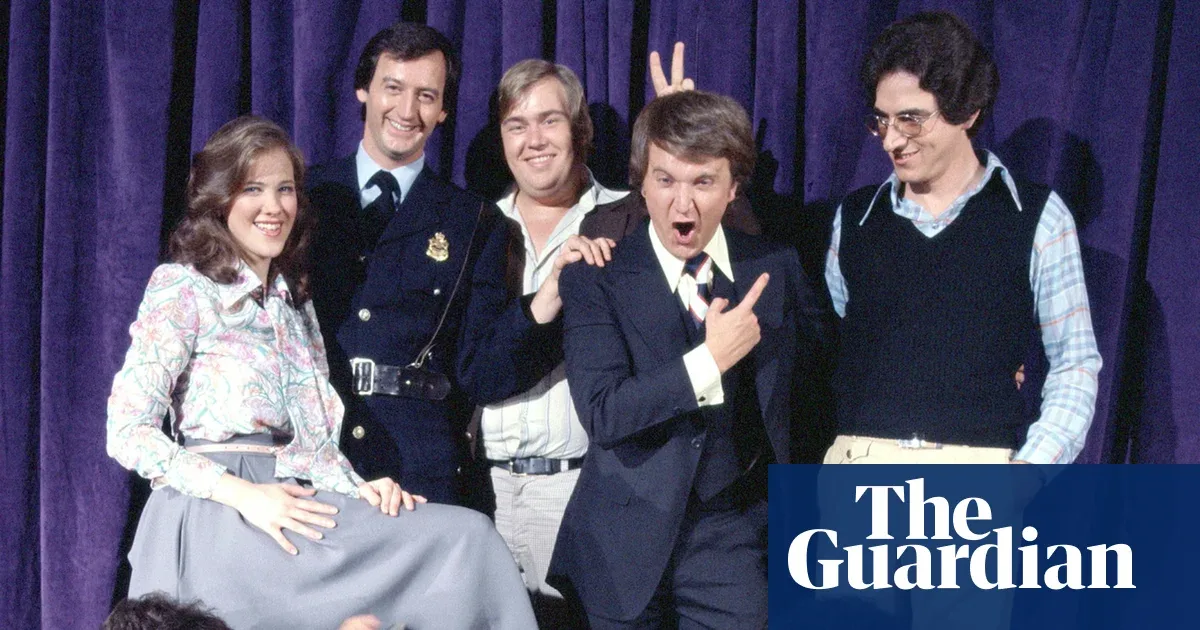
Netflix has officially added 134 episodes of SCTV to its catalog, alongside the launch of the documentary SCTV: The Greatest Show You’ve Never Heard Of. The move brings renewed attention to a Canadian sketch show that long sat in the shadow of Saturday Night Live, even though it was from that small stage that a string of Hollywood stars emerged, among them John Candy, Eugene Levy, Catherine O’Hara, Rick Moranis, and Martin Short.
For comedy fans in Indonesia, the name SCTV is more familiar as a national private television station. But in the world of North American comedy, SCTV stands for Second City Television—a program that aired on and off in Canada between 1976 and 1984. The show began with the improvisational theater troupe Second City in Toronto, after part of its personnel left for New York to form SNL. Rather than give up, the remaining performers were asked to make a Canadian version of SNL without adequate television experience.
Dave Thomas, the head writer and an original cast member, recalls that period as productive chaos. According to him, the first two seasons of SCTV were a failure: the show looked cheap, and it was precisely because of those limitations that they set the stories in a small television station in the fictional town of Melonville. The backstage absurdity—from the tiny budget to producer interference that was flatly rejected—instead shaped strong characters: Guy Caballero the station manager, the party-loving Johnny LaRue, and Bobby Bittman, the terrible stand-up comedian played by Eugene Levy.
What set SCTV apart from SNL was not just its jokes but its layers of reference. Thomas says the show was written "at the highest reference level"—a bet that the audience would keep up with that depth. One famous sketch parodied Fantasy Island along with Casablanca, Road to Morocco, and The Wizard of Oz in a single breath. It was this layered approach that the writers of The Simpsons later acknowledged as the blueprint for their style.
"There’s a tendency in television networks to dumb everything down to the level of the dumbest person in the room. We didn’t do that," Thomas said.
But the Netflix documentary did not entirely satisfy Thomas. He regretted the absence of discussion about the staff writers who joined in the later seasons, as well as the limited attention to musical acts such as The Boomtown Rats and Plasmatics, who performed and also took part in sketches. He also highlighted the decision to bring in Tom Hanks and Bob Odenkirk as narrators of the show’s writing history, instead of asking the original writers directly. He also considered the documentary’s title cheeky for implying the show was never known.
SCTV’s history was indeed full of internal tension. The success of Bob and Doug McKenzie—two lazy characters that were actually born from the network’s request for a more "Canadian" show—is cited by Thomas as one of the factors that triggered the rift and his departure along with Moranis. The show kept moving between networks and time slots until it ended in 1984. Nevertheless, its alumni soared: Candy became a Hollywood star, Levy and O’Hara built long careers through Christopher Guest’s films and the series Schitt’s Creek, while Short remained an icon of television comedy.
For Indonesia’s creative industry, the SCTV story holds a lesson about how production constraints can give rise to a distinctive writing style. National television once had a golden age of sketches and sitcoms born from limited budgets, before being eroded by imported entertainment formats and digital platform algorithms. The question now: as Netflix and other global platforms become more aggressive in curating local cultural archives, do countries like Indonesia have a mechanism to ensure their comedy heritage does not become mere nostalgia content in the hands of foreign corporations?