Burnham Open to Slavery Apology but Rejects Reparations
Baca dalam 60 detik
- Perdana Menteri Andy Burnham menyatakan kesediaan membuka dialog soal permintaan maaf resmi atas peran Inggris dalam perdagangan budak transatlantik, namun menegaskan kompensasi finansial bukan jalan yang tepat.
- Sikap ini muncul menjelang KTT Commonwealth di Karibia, saat negara-negara Karibia kembali menuntut pertanggungjawaban sejarah dan Raja Charles III melakukan kunjungan regional.
- Penolakan reparasi mempertahankan kebijakan pemerintah sebelumnya, sementara para pendukung keadilan reparatif menilai langkah Burnham belum memadai dan menuntut permintaan maaf penuh tanpa syarat.
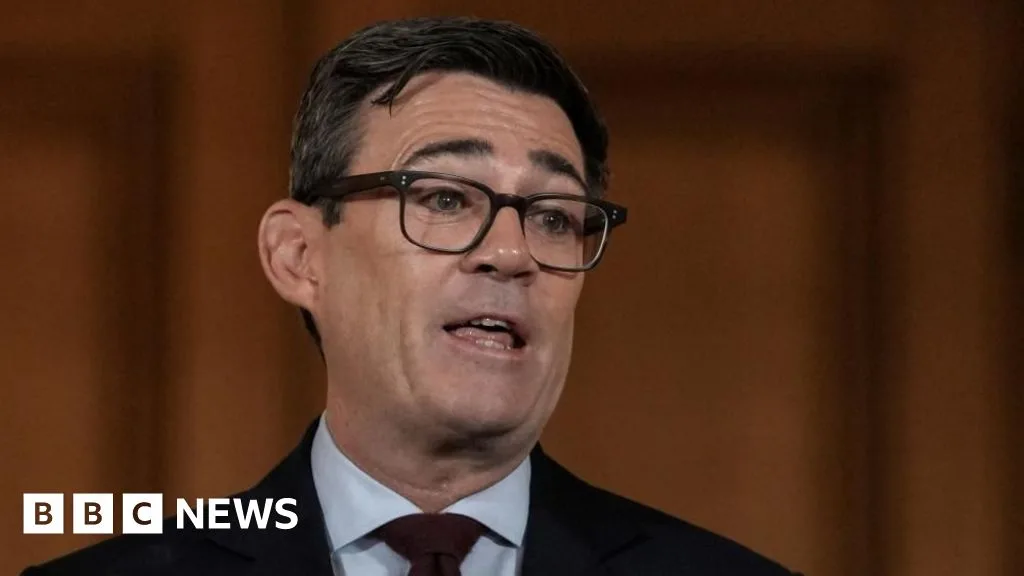
British Prime Minister Andy Burnham has expressed openness to the possibility of the government issuing a formal apology for the country's involvement in the transatlantic slave trade, but firmly rejected the idea of financial reparations. The statement came days before he departed for the Caribbean to attend a meeting of Commonwealth leaders, a forum that has recently become a stage for strong pressure from Caribbean nations for London to acknowledge its historical responsibility.
In his statement, Burnham described the slave trade as a brutal and barbaric violation, and stressed that Britain must be willing to confront its past. However, he rejected compensation payments on the grounds that the current generation of Britons cannot be held legally responsible for acts committed in a different era and under a different legal order. He set out that view in an article published in The Guardian, in which he emphasized that present-day citizens had no personal involvement in the practice.
Burnham's position is not actually new. The British government has to date never issued a formal apology for slavery nor offered reparations. What Burnham offered was what he called structured dialogue with affected countries, including listening to calls for a formal state apology. A government source, as quoted by the BBC, described the move as morally right. Downing Street considers strengthening the Commonwealth to be a national interest, especially amid efforts by China and Russia to expand their influence in the region.
Reactions from the region were mixed. Barbados Prime Minister Mia Mottley, who has long been vocal in demanding reparations, welcomed Burnham's statement and said she would engage in good faith while continuing to fight for reparative justice. By contrast, the founder of The Repair Campaign, Denis O'Brien, described the statement as disappointing and insufficient. He urged the British government to stop evading the issue and to issue a formal apology promptly as the first symbolic step toward reparative justice.
"I do not think that the British people of today can be held accountable for historical wrongs, however brutal, that occurred in a different age under different laws and in which they played no personal role," Burnham wrote in his column.
For Indonesia, the issue of reparations and apologies for the history of colonialism has its own resonance. Some circles in the country have previously raised similar discourse regarding Dutch colonial practices, although to date it has not become a formal foreign policy agenda. Britain's stance of opening the door to dialogue while closing off the option of financial compensation shows a pattern common among former colonial powers: acknowledging history morally without bearing material consequences. This could serve as a precedent for other countries in responding to demands for historical justice, including Indonesia should such discourse emerge in the future.
The question going forward is how far the structured dialogue Burnham has promised will lead to concrete action. Caribbean nations have long demanded more than statements of sympathy, and international pressure is expected to increase with King Charles III's visit to the region. Will Britain hold to a policy line that rejects reparations, or will it open a window for compromise amid global competition for influence? The public will await the outcome of next week's Commonwealth summit as an indicator of London's policy direction on its historical legacy.