UK Welfare Reform: Budget Rises by £79 Billion, but Relative Cuts Are the Real Bet
Baca dalam 60 detik
- Pemerintah Inggris menghadapi tekanan untuk menekan belanja kesejahteraan yang diproyeksikan naik £79 miliar secara nominal hingga 2032, meski porsinya terhadap PDB hanya naik tipis.
- Lonjakan terbesar berasal dari tunjangan disabilitas dan kesehatan, terutama PIP, yang tumbuh cepat sejak pandemi dan kini menyerap porsi signifikan bagi usia muda.
- Laporan Milburn dan Timms yang segera terbit berpotensi merekomendasikan pembatasan akses PIP bagi usia di bawah 25 tahun, tetapi efektivitasnya bergantung pada belanja program kerja yang jauh lebih besar.
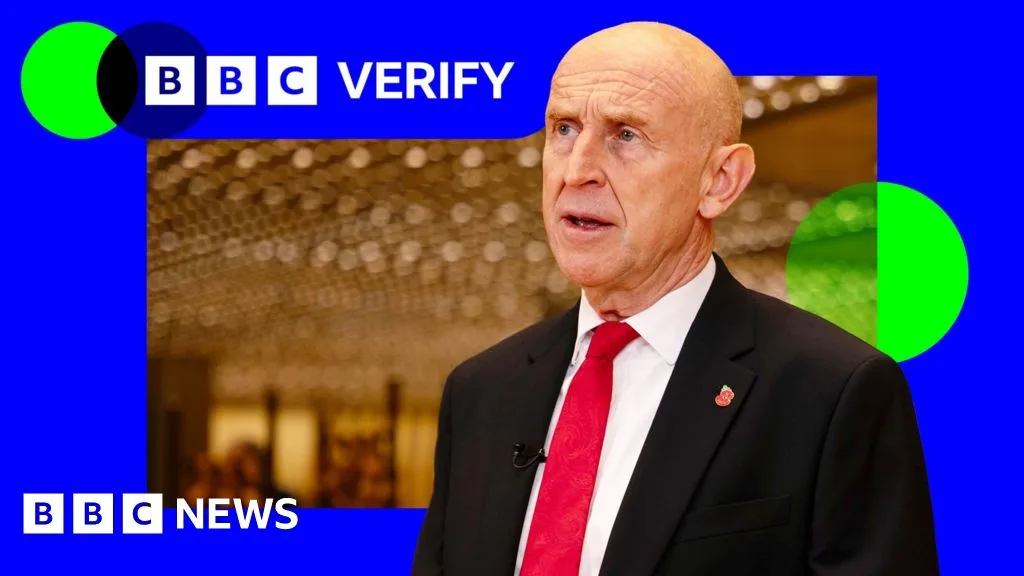
The UK government is at a fiscal policy crossroads: welfare spending is projected to swell by £79 billion in nominal terms over the coming years, yet there is still no firm timetable for when cuts will begin. Prime Minister Andy Burnham and Chancellor John Healey have both voiced a desire to reduce the benefits bill, but the opposition accuses them of postponing difficult decisions in last Wednesday's Budget.
Official figures from the Office for Budget Responsibility (OBR) show total welfare spending will rise from £353 billion this year to £431 billion in 2032. But measured relative to the size of the economy, the increase is not as dramatic as the nominal figure: from 11.1% of GDP to 11.3% of GDP. Even that projection remains below the peak of around 12% of GDP in 2013 after the global financial crisis, leading some economists to question the narrative that welfare spending is “out of control”.
What is really surging is the health and disability line, particularly Personal Independence Payment (PIP). Adjusted for inflation, working-age disability benefit spending rose from £14 billion in 2020 to £25 billion in 2026. This increase occurred amid cuts to other benefits such as Universal Credit and housing support by Conservative governments since 2010. Some researchers suspect those cuts created an incentive for recipients to shift to sickness and disability benefits to maintain their living standards, so the cost moved between lines rather than actually being saved.
Attention is now on the young. The number of 16–24-year-olds not in work, education, or training (Neet) has risen by about 230,000 since 2019 to nearly one million. Alan Milburn, a former Labour health minister, is leading an official review expected to recommend major reform to bring them back into the labour market. His interim report in May estimated PIP spending for this group jumped from £1.3 billion (2020) to around £3.2 billion (2025), and could reach £6.5 billion for 700,000 people within five years. Only about one in five PIP recipients currently works.
“For every £1 the government spends on employment support for young people, around £25 is spent on benefits,” the interim Milburn report found, signalling the need for higher spending on work programmes.
The previous government under Keir Starmer in March 2025 had announced plans to save £5 billion a year from health-related welfare spending by 2030 by tightening PIP access and reducing the value of health-related Universal Credit payments. But the OBR stressed that nominal spending would still rise, only more slowly. What changes is the relative trajectory: welfare spending as a share of the economy declines slightly, rather than falling in absolute terms. This is the pattern the current government may adopt.
In the coming weeks, Milburn's final report and Disability Minister Stephen Timms's report on PIP reform options will be published. Speculation points to a new system for those under 25—no longer eligible for PIP and receiving lower payments—as well as stricter PIP eligibility tests. Such reform could save relative to the existing spending trajectory, but analysts warn that sustained savings will only materialise if the government also spends heavily to help young people enter and stay in work. In the short term, welfare savings could be eroded by spending in other departments.
For Indonesia, this dynamic is relevant as a mirror: countries with limited fiscal space face a similar dilemma as social spending ages and disability pressures rise. The question is whether the UK government will opt for cosmetic relative cuts or dare to redesign work incentives—and what political price it must pay.