Burnham Accused of 'Sleepwalking' Into Climate Disaster as Greenpeace and FoE Send Letter to PM
Baca dalam 60 detik
- Greenpeace dan Friends of the Earth menilai serangkaian kebijakan energi dan transportasi Inggris berpotensi menggagalkan target net zero.
- Empat keputusan besar—Rosebank, Heathrow, target EV, dan subsidi pompa panas—diperkirakan menghasilkan 402 juta ton CO2 dalam 25 tahun.
- Pemerintah diminta mempertimbangkan dampak kumulatif, bukan mengambil keputusan secara terpisah antar kementerian.
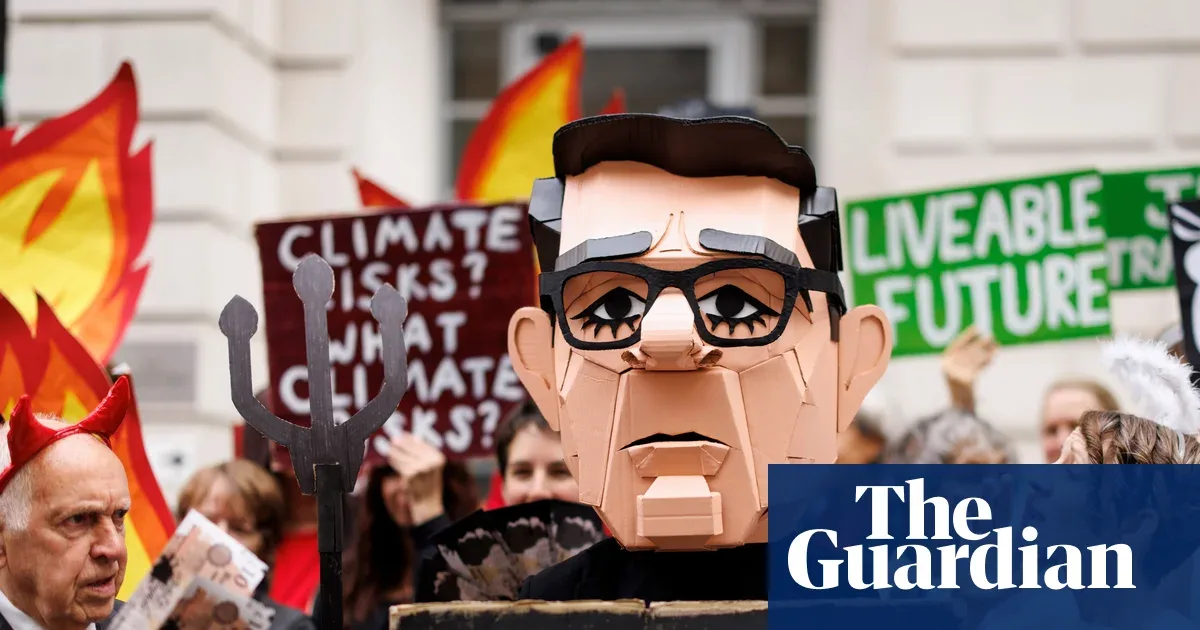
UK Prime Minister Andy Burnham is facing pressure from environmental organizations Greenpeace and Friends of the Earth (FoE), which argue his government risks 'sleepwalking' into a climate crisis. In an open letter to the PM, the two groups highlight four policies awaiting decisions that, if taken separately, could derail the UK's net zero commitment.
The policies include approval for drilling the Rosebank oil field in the North Sea, expansion of Heathrow Airport, loosening of electric vehicle (EV) targets, and cuts to heat pump subsidies. According to the two organizations' analysis, if all are approved, total emissions would reach 402 million tons of CO2 over the next 25 years—equivalent to the operation of 106 coal-fired power plants for a year.
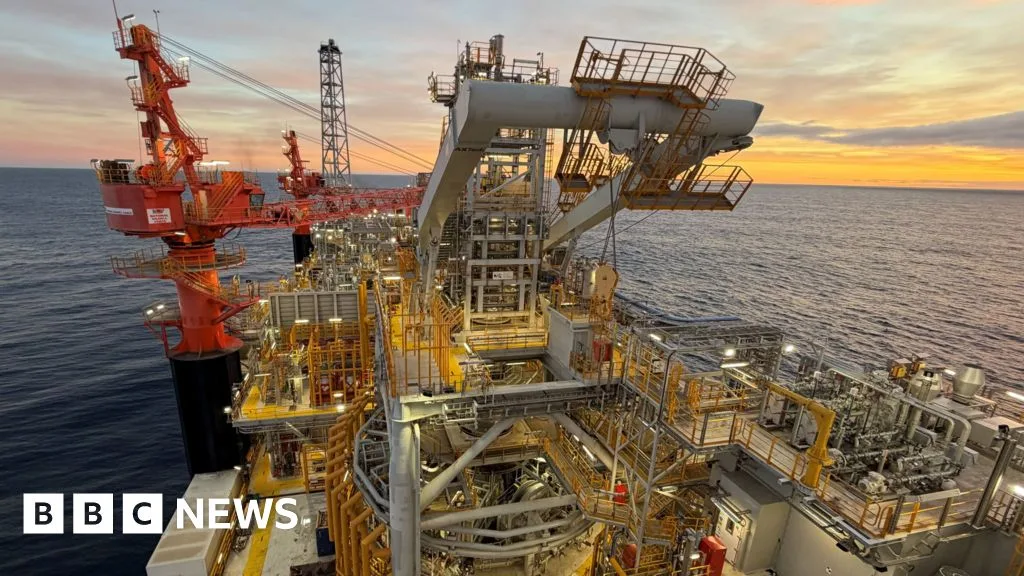
The criticism comes after the government last week granted a drilling permit for the Jackdaw gas field, even though it creates only 27 new jobs and contributes little to tax revenue. Now the North Sea oil and gas industry is pressing for approval of Rosebank, which is controversial because its emissions are higher. On the other hand, carmakers are lobbying hard to loosen the EV target, proposing that in 2030 there still be 50% fossil-fuel vehicles—far from the initial target of 80% electric vehicles.
Analysis from the think tank Energy and Climate Intelligence Unit estimates that loosening the EV target, given the long lifespan of vehicles, would produce emissions equivalent to 60% of Rosebank's emissions. Meanwhile, airlines are pushing for the Heathrow expansion, which is strongly backed by Chancellor John Healey on grounds of economic growth. Activists dispute that argument and point to the already underway Gatwick Airport expansion.
In the budget to be announced Wednesday, Healey is also expected to cut the boiler upgrade scheme that provides subsidies for households to install heat pumps in place of gas boilers. Yet this scheme has the potential to save gas consumption and accelerate the still-slow transition to electric heating.
"Decisions on Rosebank, Heathrow expansion, EV targets, or heat pump funding must not be rushed or taken in isolation—ministers need to look far ahead and track their cumulative impact on our climate. The carbon bill may arrive later, but the consequences will be very expensive," said Doug Parr, chief scientist at Greenpeace.
Imogen Dow, FoE's climate lead, added that rejecting high-emission plans could pave the way for a cleaner, fairer, and more prosperous UK. Renewables can lower electricity bills, especially amid soaring oil and gas prices, and the net zero economy is growing faster than the economy as a whole according to the CBI.
"Meeting climate goals is not just a win for the planet—it will also strengthen the economy, lower household bills, improve public health, and protect our homes. At a time when powerful interests are pushing the world toward climate disaster, it is essential for governments like the UK to stand firm," said Dow.
A government spokesperson denied that reindustrialization would sacrifice climate and net zero obligations. He stated that in the past two years, clean energy has attracted £110 billion in investment and supported thousands of jobs through recorded renewable energy auctions.
For Indonesia, this dynamic in the UK mirrors how energy policy often gets caught in a tug-of-war between short-term economic interests and climate commitments. As a country that also has a 2060 net zero target and is pushing an energy transition, Indonesia can learn from the importance of cross-sector coordination in making strategic decisions. Without integrated planning, policies that appear partially beneficial could end up costing far more environmentally later on.
Going forward, will the UK government choose a low-carbon development path or instead accommodate industry pressure? Decisions in the coming months will not only determine Burnham's climate legacy but also serve as a signal for other countries grappling with the energy transition.