UK Switches Off Copper Phone Network, Rural Residents Risk Losing Emergency Communication
Baca dalam 60 detik
- Pemerintah Inggris berencana mematikan jaringan telepon kabel tembaga dan beralih ke telepon digital berbasis internet pada akhir Januari tahun depan.
- Anggota parlemen dari daerah terpencil memperingatkan bahwa warga di wilayah terisolasi bisa kehilangan akses bantuan saat badai atau pemadaman listrik karena telepon digital bergantung pada listrik dan sinyal seluler.
- Menteri Keamanan Dan Jarvis berjanji akan meninjau kekhawatiran tersebut dan membahasnya dalam KTT ketahanan pemerintah, sementara operator diminta meningkatkan layanan darurat.
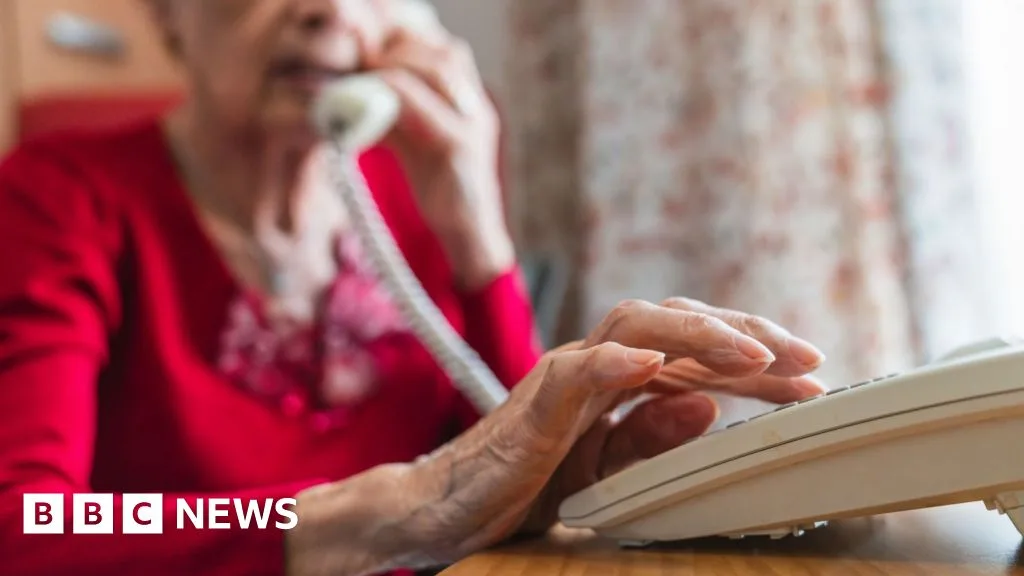
The UK government is facing political pressure to delay or revise its plan to switch off the decades-old copper telephone network. Several MPs from remote areas warn that the shift to internet-based digital phones could leave residents in isolated regions unable to contact emergency services when storms or power cuts strike.
Telecom operators aim to complete the migration to internet-based networks by the end of January next year. The government and service providers argue that digital technology offers more reliable connections and lower maintenance costs. However, the old copper network has a crucial advantage: it does not depend on household power supply, so it keeps working during outages.
Labour MP Torcuil Crichton, who represents the Na h-Eileanan an Iar constituency in the Scottish Western Isles, stressed that resilience is already part of life on the islands, but connectivity has become a major problem because of the switch. He described the situation during a power cut: residents lose their phone, internet, and often mobile signal at the same time.
"Resilience is already embedded in these islands, but we have a major problem with connectivity because of the switch from analogue to digital lines," Crichton said in parliament.
BT OpenReach has distributed backup battery packs to vulnerable customers, which can keep phones running for an hour or more. However, Crichton considers the measure inadequate. According to him, mobile phone providers lack the ability to maintain signal during storms. He urged the minister to force telecom companies to boost their digital capacity, especially in remote areas whose residents are vulnerable, isolated from neighbours, and must wait an hour for an ambulance during a 70-mile-per-hour storm.
Similar concerns were raised by MPs from the West Country and the Lake District. Markus Campbell-Savours, the Labour MP for Penrith and Solway, asked the minister to imagine an elderly resident living alone in a remote Lake District valley. When a storm cuts power to the router at night, the limited backup battery will run out, and the mobile tower will also go down. He questioned whether the minister agreed that new technological solutions were needed to protect elderly residents.
From the Conservative side, Julian Lewis highlighted the absence of a backup system if digital phone services collapse due to a cyber attack or other emergency. He reminded the House that the copper network can provide a useful level of resilience in emergency situations.
Security Minister Dan Jarvis, who leads the government's Be Ready campaign urging residents to prepare emergency supplies, promised to examine Lewis's points more closely. He also assured MPs from the West Country that their concerns would be discussed at the government's resilience summit in Cornwall next month. Jarvis committed to raising the issue with the Department for Culture, Media and Sport.
"Our telephone network is a vital part of our critical national infrastructure and our emergency response in weather-related crises supports the functioning of essential services and keeps people connected when they need it most," he said.
The government argues that the switch to digital phone services is necessary because the traditional analogue network is becoming increasingly unreliable. The Be Ready campaign advises residents who have not yet switched to modern digital networks to contact their landline provider. For vulnerable customers, including telecare users, communications providers are required to supply free backup battery units.
Nevertheless, the promise does not fully address concerns about limited battery life and dependence on electricity and mobile signal. The parliamentary debate reflects a broader dilemma: modernising telecommunications infrastructure is important, but the security and safety of residents in remote areas must not be sacrificed. The question is whether the government will extend the switch-off deadline or require more robust backup solutions before shutting down the copper network entirely.