Fast Five Leaves Netflix, Time to Reassess the Fast & Furious Franchise's Winning Formula
Baca dalam 60 detik
- Fast Five, film kelima waralaba Fast & Furious, akan meninggalkan Netflix pada 1 November 2026 setelah menjadi tontonan musim panas.
- Film ini dianggap titik balik yang mengubah balapan jalanan menjadi kisah perampokan, dan menjadi tolok ukur keseimbangan aksi praktis serta cerita.
- Keinginan Vin Diesel untuk kembali ke balapan jalanan di film terakhir menuai kritik karena dianggap mengabaikan pelajaran dari Fast Five.
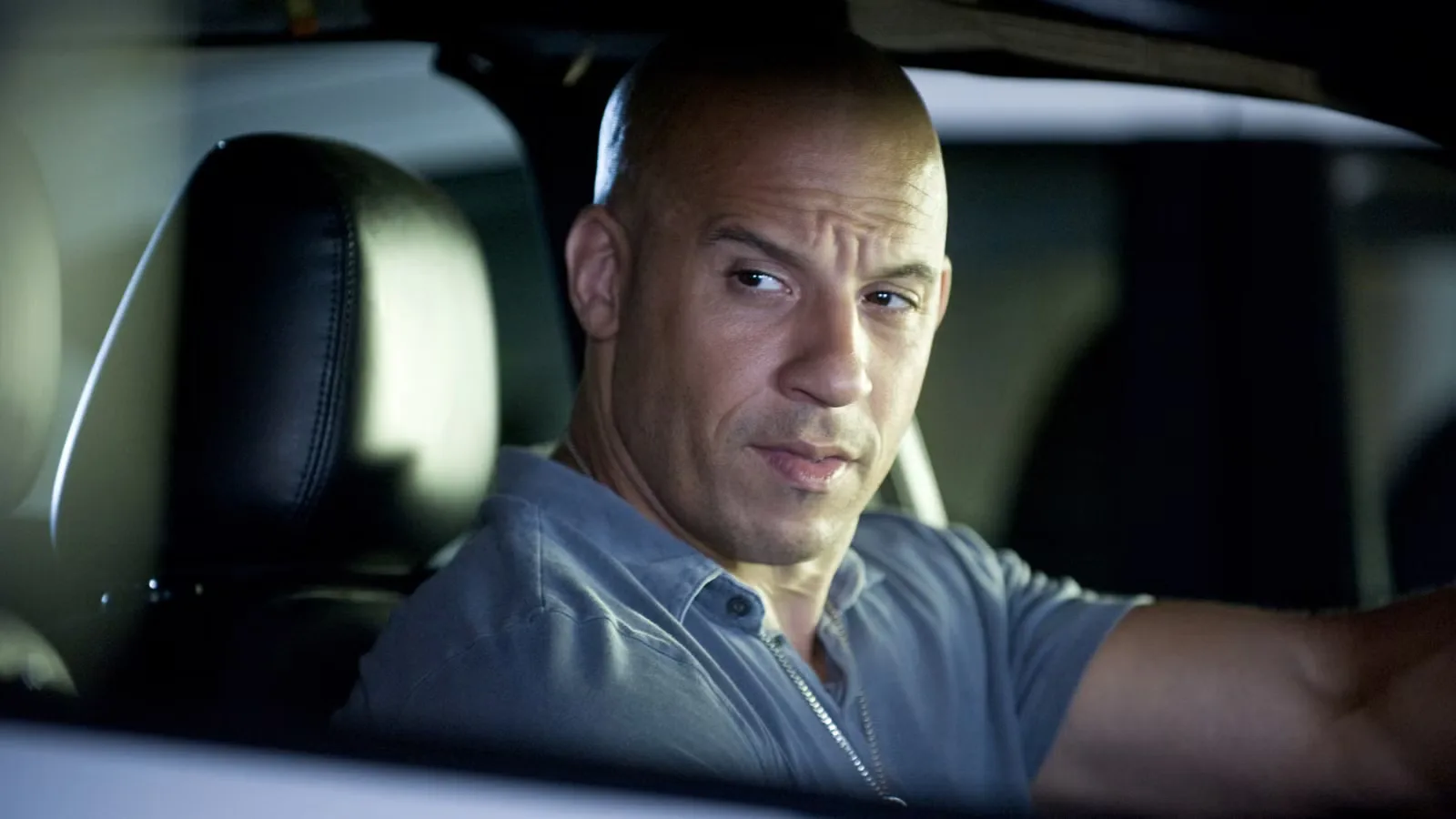
Netflix is about to lose one of the most influential titles in the history of modern action cinema: Fast Five is scheduled to leave the streaming service's catalog on 1 November 2026. For fans of the Fast & Furious franchise, this moment is not merely a change in the watchlist, but an opportunity to revisit why the fifth film is often called the creative peak of a series that has now produced 11 films (including the spin-off Hobbs & Shaw).
Before Fast Five, the franchise was synonymous with illegal street racing. Dominic Toretto (Vin Diesel) was portrayed as a street racer surrounded by family and rivals, while Brian O'Conner (Paul Walker) started as an undercover LAPD officer, then switched sides after falling in love with Mia (Jordana Brewster). Fast Five abandoned that pattern: instead of racing, the film presented the story of a Rp1.6 trillion (USD 100 million) heist from a corrupt businessman in Rio de Janeiro. Dom and Brian's team had to evade agents of the United States DSS led by Luke Hobbs (Dwayne Johnson) after they were framed for the murder of DEA agents.
What makes Fast Five stand out is the simplicity of its premise. Although the plot seems convoluted, the core conflict is easy to grasp: a group of criminals wants to rob bad people. The audience is made to side with them. This formula is also what distinguishes Fast Five from the sequels that followed, which turned Dom's team into a kind of elite spy unit called upon by the US government for impossible missions. According to film observers, that shift made the franchise increasingly resemble Mission: Impossible and lose its outlaw roots.
Beyond the action, Fast Five also strengthened the emotional bond between Dom and Brian. It was the first time the two were on the same side throughout a film, and also the moment Mia became pregnant, officially making them family. That friendship became the backbone of the series, especially after Paul Walker's death during the production of Furious 7. Walker's passing forced the production team to edit and use CGI to finish the film, and since then Brian's character has only been mentioned as alive without ever appearing again. His absence is felt in the eighth, ninth, and tenth films, though all three remain entertaining.
Technically, Fast Five stands out for relying on practical effects. The scene of a giant vault dragged by two Dodge Chargers through the streets of Rio involved real destruction and the wrecking of actual cars. Some CGI elements were indeed used, but the drivable vault physically smashed into various objects. After this film, action scenes increasingly exceeded the limits of reality, with growing reliance on CGI. The most famous example is the scene in F9 when two characters drive a car into space.
"I want a film that follows the lessons of the best film in this franchise, Fast Five, and the main lesson is that practical effects are far better than computer effects, and that street racing, well, it's kind of boring."
Criticism of the franchise's direction is increasingly relevant ahead of the final film. Vin Diesel recently revealed three demands for Fast Forever: return to Los Angeles, return to street racing, and reunite Dom with Brian. However, the wish to bring Brian back is considered risky. Although Furious 7 succeeded in reviving Walker through a combination of his twin brother as a stand-in and CGI, repeating it again is deemed unethical and potentially damaging to the emotional ending that was already beautifully crafted. Meanwhile, the return of street racing is actually seen as a step backward, because that formula had grown stale since the fourth film and was precisely the reason the franchise needed to change course.
For Indonesian audiences, Fast Five has its own appeal. The film was once a phenomenon in Indonesian cinemas and was frequently broadcast on national television. Its departure from Netflix could push viewers to seek out physical versions or other platforms, while also serving as a reminder that this franchise once achieved a perfect balance between action, story, and character. The question is, will Fast Forever be able to repeat the glory of Fast Five, or will it get trapped in unnecessary nostalgia?