Barry Keoghan Undergoes Rp90 Million Skin Treatment After Becoming Target of Online Mockery
Baca dalam 60 detik
- Aktor Barry Keoghan mengungkapkan dirinya menjalani prosedur pengencangan kulit senilai ribuan pound setelah menerima komentar pedas tentang penampilannya.
- Tekanan media sosial membuatnya menarik diri dari publik, bahkan enggan menghadiri acara, dan memilih menjalani perawatan demi rasa percaya diri.
- Kasus ini menyoroti bagaimana kesehatan mental figur publik menjadi taruhan di tengah budaya komentar daring yang makin tajam.
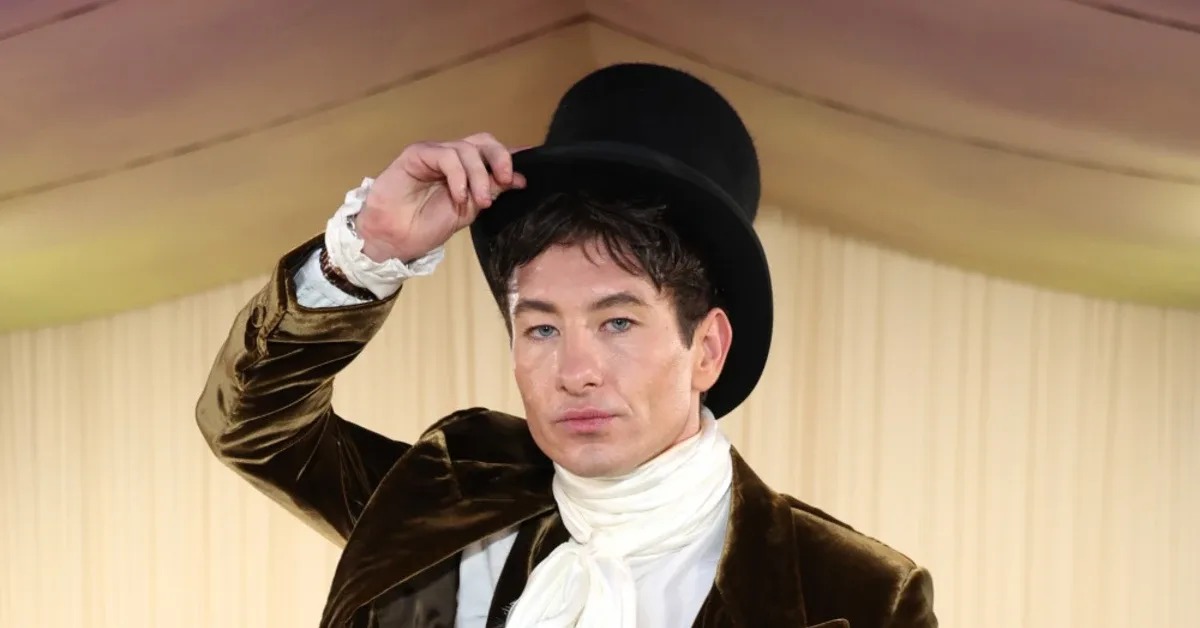
Barry Keoghan, the actor known for his roles in Saltburn and Peaky Blinders, decided to undergo a facial skin-tightening procedure after years of receiving online mockery about his appearance. The move was not without reason: he said the pressure of negative comments had made him withdraw from social life and reluctant to appear in public.
In a video uploaded by Dermaspa clinic owner Nilam Holmes, Keoghan is seen undergoing a treatment called XERF—a non-invasive, needle-free technique that uses radio frequency energy to tighten the skin around the cheeks, nose, and jaw. The procedure costs £4,500, or around Rp90 million, for two sessions. Keoghan said the treatment made him feel better both physically and mentally.
“I feel better about myself. I look better. I think it's important to take care of yourself, both inside and out,” Keoghan said in the video, as quoted from Nilam's statement. He also praised the clinic's atmosphere, which he described as calming and therapeutic.
Keoghan's admission is not the first. In an interview with SiriusXM's The Morning Mash Up, he revealed that mockery of his appearance had gone beyond reasonable limits. “There's a lot of hatred in the online world. So much mockery about my looks, and it has reached a point where... everyone experiences it, but it made me isolate myself. I didn't want to attend events, I didn't want to leave the house,” he said.
Although he deactivated his Instagram account in 2024, the 34-year-old actor said he is still curious to see the public's response to his appearance at certain events. “I'm still a curious human. If I attend an event, I want to know how people react. And it's not pleasant,” he added.
“I feel better about myself. I look better. I think it's important to take care of yourself, both inside and out.” — Barry Keoghan
Keoghan's case reflects the dark side of an entertainment industry that is increasingly connected digitally. The pressure to always look perfect in the public eye affects not only careers but also mental health. In Indonesia, a similar phenomenon haunts a number of celebrities who are often the target of netizens. Body shaming and destructive comments on social media are problems that are hard to contain, especially for figures who make a living from their image.
The treatment Keoghan underwent may be seen as an effort to improve himself, but behind it there is a psychological price to pay. Public figures like him remain under scrutiny, and every change in appearance becomes public consumption. Is this a form of unhealthy pressure, or simply part of professional demands? Either way, the line between criticism and harassment is increasingly blurred.
Going forward, it is important for the entertainment industry—both in Hollywood and Indonesia—to create a more supportive ecosystem. Mental health support for actors and actresses can no longer be ignored. Because behind the smile on screen, there may be invisible wounds.