BioWare Reveals Mass Effect 5 Ambition: The Biggest Open-World That Never Was
Baca dalam 60 detik
- Mantan pengembang BioWare mengungkap bahwa Mass Effect Universe dirancang sebagai game open-world paling ambisius, melampaui pendekatan Andromeda.
- Proyek sempat terhambat karena peralihan mesin dari Frostbite ke Unreal, memaksa tim membangun ulang hampir seluruh sistem.
- Penutupan BioWare oleh EA membuat game ini batal, tetapi potensi penjualan IP masih terbuka lebar berkat serial TV dan basis penggemar fanatik.
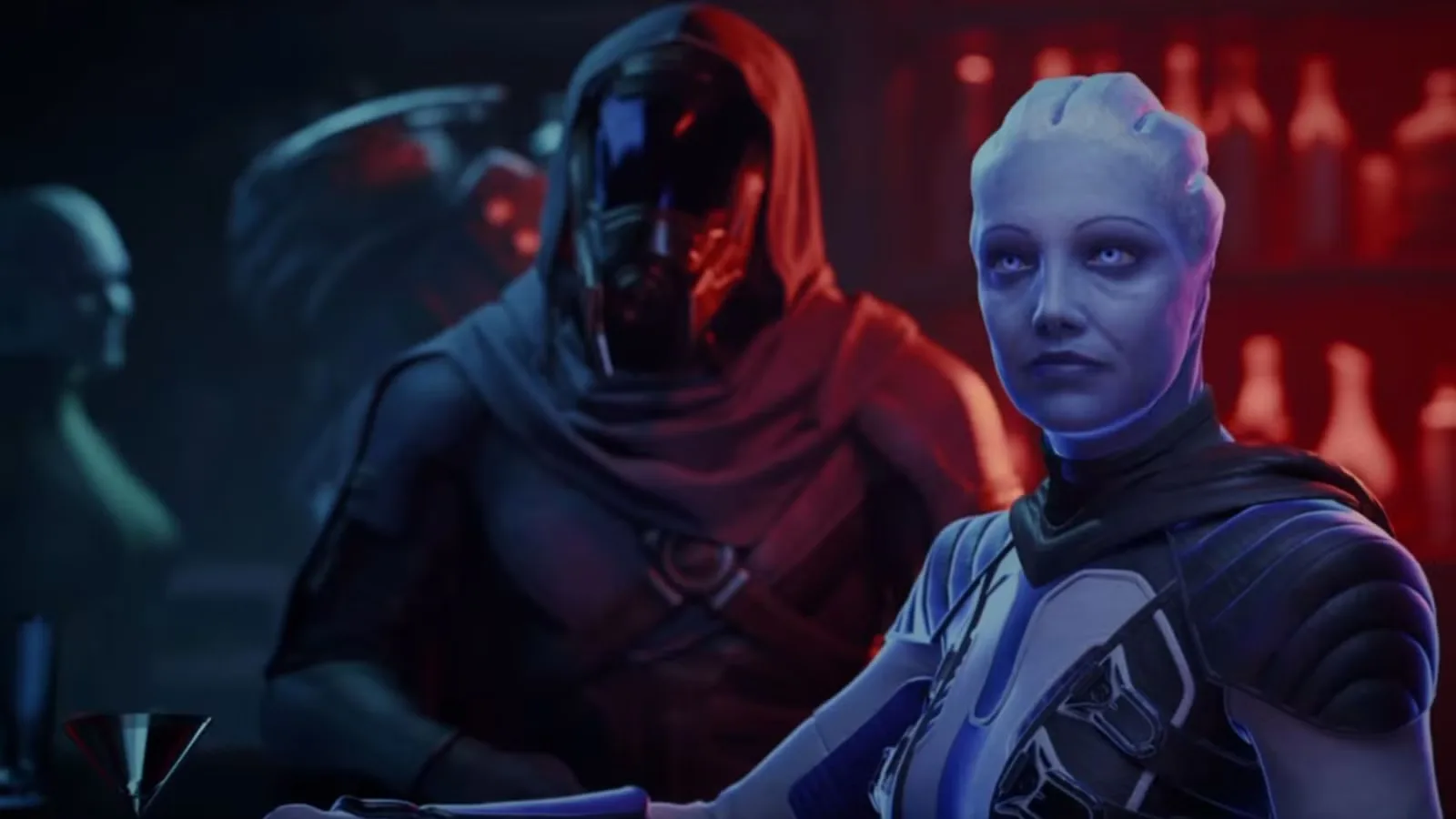
Fans' hopes for a new generation of Mass Effect are dead. Former BioWare employees, in an interview with French outlet BFM, revealed that the project known as Mass Effect Universe was once touted as the most ambitious open-world game the studio had ever designed. However, Electronic Arts' (EA) decision to shut down BioWare ensured that vision would never materialize.
The information surfaced from several developers who declined to be named. They said the project's main target was to deliver the "ultimate open-world game"—a major leap after Mass Effect: Andromeda (2017) drew a cold response. Rather than continuing Andromeda's formula, the team reportedly discarded that game's ideas and wanted to go beyond mere dialogue choices. The new approach would take into account how players respond to situations, including combat elements and mission consequences, though the details were never made public.
What is clear is that Mass Effect Universe's progress was relatively smooth despite missing deadlines and having to start from scratch. The main trigger was the switch from Frostbite to Unreal Engine. Frostbite, used in Andromeda and Anthem, was deemed ill-suited for an open-world, third-person game. "The reality is we had to redo everything," said a source referred to by the pseudonym Sandra to BFM.
Even so, the team remained confident it could meet the 2028 release schedule. That confidence is now just a story. EA's closure of the studio not only halted development of the single-player sci-fi game but also caused deep disappointment among loyal fans. Mass Effect is not a franchise easily forgotten. Its fan base is militant, and the TV series in the works could be EA's entry point to revisit this IP—whether by selling it or reviving it under another studio.
"We had to redo everything," said Sandra, describing the scale of the technical changes the team had to undergo.
For the global game industry, this case is a reminder that technical ambition often collides with corporate reality. Switching game engines is not just a matter of technology but also of time, cost, and market momentum. At the same time, EA faces pressure to keep major franchises relevant amid increasingly fierce competition in open-world games.
In Indonesia, Mass Effect has a fairly solid fan community, especially among PC and console gamers. Discussion forums and online communities in the country often discuss the fate of this franchise, including hopes that the TV series can revive the spirit of Mass Effect. However, the direct impact on the local game market is relatively small because the game has no official presence in Indonesia, whether in terms of distribution or localization.
Going forward, Mass Effect's future depends on two things: the TV series' performance and EA's willingness to let go of or revive the IP. If the series succeeds, public pressure could push EA to explore new commercial options. Conversely, if it fails, the franchise may lie dormant even longer. The question is, will EA listen to fans' demands, or let one of the most influential sci-fi franchises in modern game history stay buried?