24-Country Study: Staying Socially Active in Old Age Keeps the Brain Sharp
Baca dalam 60 detik
- Riset lintas negara menemukan kaitan antara keterlibatan sosial dan skor kognitif lebih tinggi pada lansia.
- Kegiatan sukarela dan klub olahraga konsisten menunjukkan manfaat, sementara aktivitas keagamaan tidak selalu.
- Para ahli menekankan bahwa gaya hidup aktif secara sosial bukan jaminan bebas demensia, melainkan bagian dari strategi kesehatan otak menyeluruh.
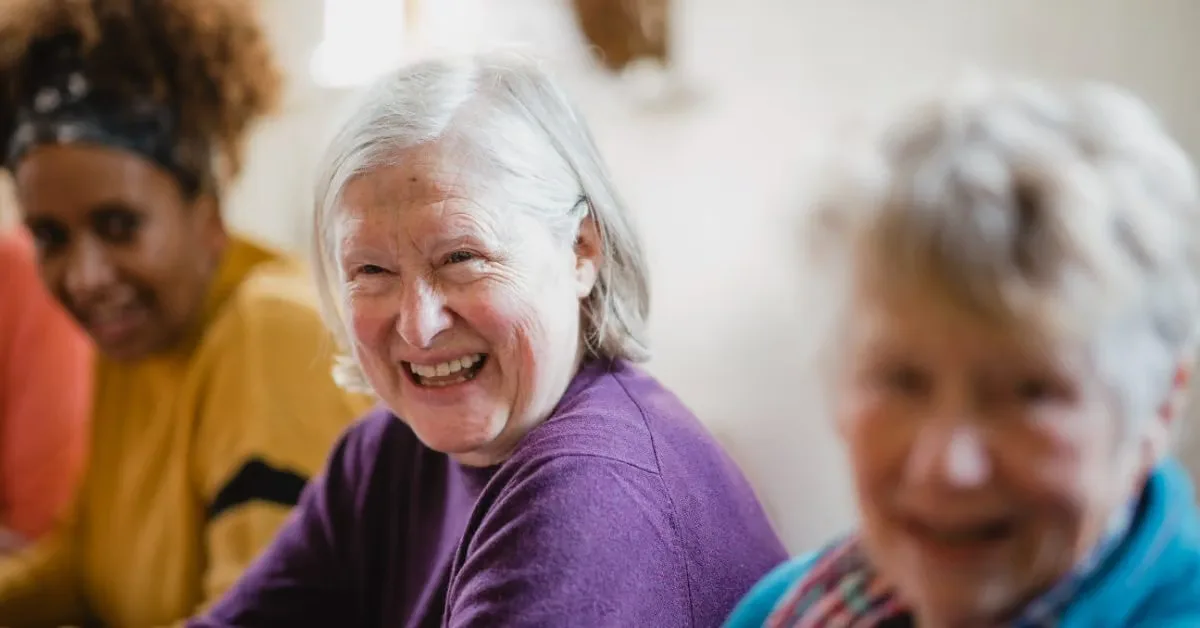
Keeping the brain sharp in old age is not just about crossword puzzles or supplements. A study published in the October edition of the Journal of Epidemiology & Community Health found that older adults involved in a range of social activities tend to have better cognitive function—especially when they take part in three or more activities.
The research analyzed data from five nationally representative surveys covering 24 countries and nearly 58,000 participants. The team compared the type and intensity of social activities with cognitive scores measured at several points in time, then calculated z-scores to examine the correlation between the two. The result: those who socialized regularly scored higher on cognition, indicating better memory and executive function.
Interestingly, not all types of activity had a similar effect. Participation in sports clubs and volunteer work was consistently linked to a lower risk of cognitive decline across the surveys. Meanwhile, caring for children and taking training courses tended to raise cognitive scores from year to year. However, involvement in religious, political, or community groups did not always show significant improvement.
Geriatrics and cognition expert Seán Kennelly of Dublin judged the findings unsurprising. According to him, socializing gives the brain a heavy "workout" because it involves listening, remembering conversations, interpreting emotions, reading facial expressions, making decisions, and responding to the other person—often all at once. "This is a very complex mental activity, even though we rarely realize it," he said.
Kennelly, who was not involved in the study, highlighted the large sample size as the research's main strength. Nevertheless, he cautioned that observational studies cannot prove cause and effect. "We cannot say that socializing directly prevents cognitive decline, but these findings strengthen the evidence that staying socially active is an important part of healthy brain aging," he added.
Neuropsychologist Shannel Elhelou explained that each type of activity involves different mental processes. Volunteer work, for instance, provides a sense of purpose and an opportunity to solve problems. Sports clubs combine physical movement with social interaction. Courses or caring for children involve learning, planning, and communication. "The type of activity may matter, but personal interest and enjoyment also play a big role in sustaining participation," Elhelou said.
"What may matter most is that people do something they enjoy, that challenges them in some way, and that keeps them connected with others." — Seán Kennelly, geriatrics and cognition expert
The study aligns with the "use it or lose it" hypothesis—that a brain kept stimulated will maintain its function better. However, the experts stressed that cognitive decline is multifactorial. Elhelou said social engagement should be seen as one part of a comprehensive approach, alongside physical activity, adequate sleep, and management of cardiovascular risk factors.
Kennelly even pushed for a more ambitious view: the human brain has a remarkable ability to adapt and learn throughout life. "Even as we age, we have many opportunities to strengthen connections in the brain and build what is called cognitive reserve," he explained. Cognitive reserve is the brain's ability to cope with changes caused by aging, including diseases such as Alzheimer's. People with high cognitive reserve tend to withstand symptoms better, even when disease changes are already present in the brain.
For Indonesia, the findings are relevant given the country's growing older population. Data from Badan Pusat Statistik (BPS) projects that around 20% of Indonesia's population will be aged 65 and over by 2040. With the dementia burden rising, encouraging older adults to stay active in the community—through posyandu lansia, religious activities, or sports clubs—could be a low-cost, high-impact intervention. However, structural challenges such as limited age-friendly public spaces and high urbanization that separates families need to be addressed so these social benefits can be felt evenly.
Looking ahead, the remaining questions are how large the effect of socializing is on cognitive decline compared with other factors, and whether specially designed social interventions can slow dementia. What is clear is that the study's message is simple: maintaining social ties is not just an emotional investment, but also an investment in long-term brain health.