Leclerc Candid: Ferrari's Problem Is Not Setup, but the Car's Pure Performance
Baca dalam 60 detik
- Charles Leclerc menegaskan defisit Ferrari terletak pada performa dasar mobil, bukan pada pendekatan setelan atau keseimbangan sasis.
- Ferrari akan membawa paket upgrade terbesar musim ini ke Austin, mencakup lantai, sidepod, dan bodi baru untuk menutup ketertinggalan.
- Dengan posisi kedua di klasemen konstruktor dan selisih 134 poin dari Mercedes, hasil di AS menjadi penentu arah pengembangan tim.
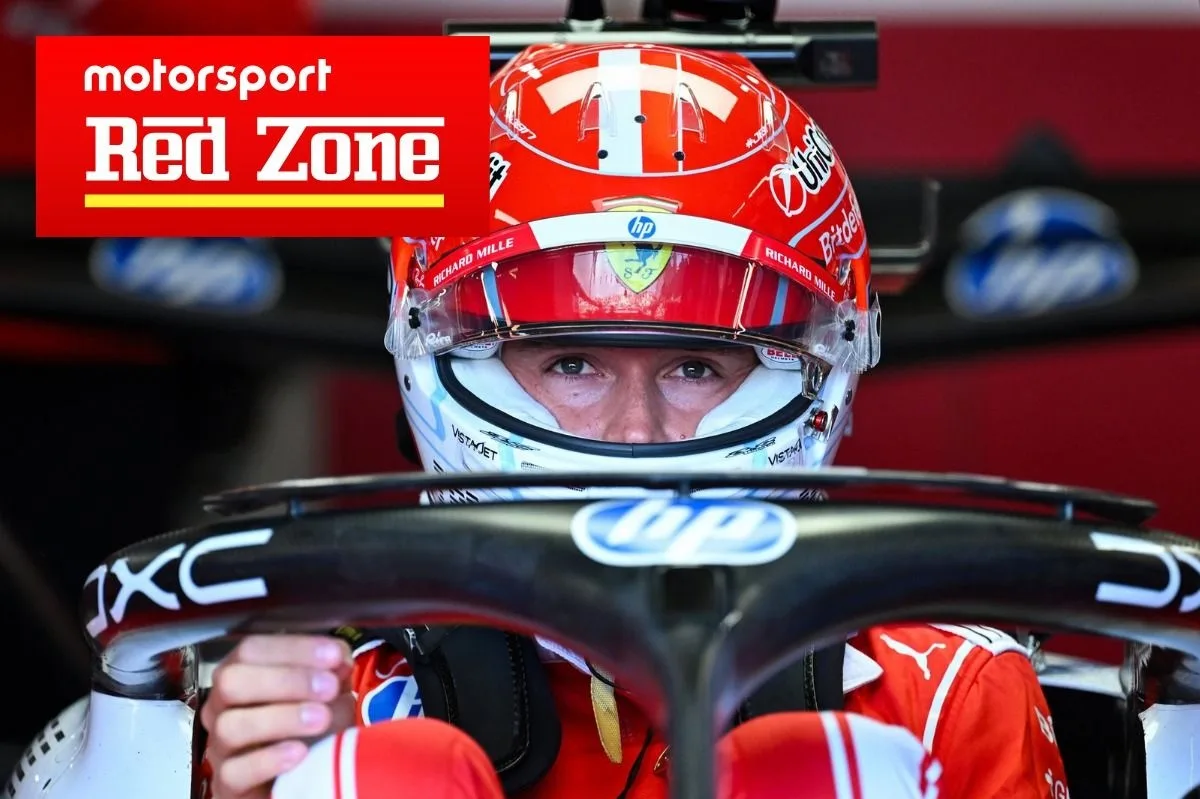
Charles Leclerc is not looking for technical excuses. Ahead of the United States Grand Prix, the Ferrari driver stated that his team's limitations are not about how the car is set up, but about pure performance that has yet to match the main rivals. The remark comes as Ferrari prepares to bring its biggest update package of the season to Austin.
Throughout the season, Ferrari has often looked promising in free practice sessions. But once qualifying begins, their pace seems to erode. Leclerc believes the pattern is not because the car loses balance, but because other teams are able to extract engine potential that Ferrari cannot match at crucial moments.
“I'm not sure we are really ahead on Friday. We do look good, but that is more because of the engine modes the other teams use. Once qualifying starts, they have something we don't have,” Leclerc said, as quoted by Motorsport.com.
Rather than complaining about mechanical aspects, Leclerc instead praised the team's readiness at the Maranello base. According to him, one of Ferrari's strengths is its ability to deliver a car with good balance from the very first session, thanks to accurate simulation work. The correlation between simulator data and the car's behavior on track is considered quite strong lately.
Nevertheless, he rejected the idea that making the car's character more aggressive would bring extra speed. “It doesn't mean that if we design a very peaky car, we can extract more. The car's baseline potential is not at the level of the main rivals, and I think making it more peaky won't add anything,” he stressed.
The engine performance issue is in the spotlight. Throughout the season, Ferrari is said to have opted for a smaller turbo to improve low-speed response. As a consequence, the straight-line advantage that was once a hallmark has faded. The update package in Austin—covering the floor, sidepods, and new bodywork—is expected to restore competitiveness in the fast sectors.
For Leclerc, this upgrade is not just an addition of components. He believes the current car has a fairly sensitive character, so major aerodynamic changes could significantly affect balance. But he is optimistic the team can still maintain its main strength: the car's readiness from the start of practice sessions.
“Our strength as a team is having a car with good balance right away. Our car is quite peaky, but the preparation in the simulator is very good. The correlation is strong, so we can arrive at the track with a comfortable car,” Leclerc said.
In the standings, Ferrari is still far behind Mercedes. Nevertheless, the Italian team is recorded as having scored more points than Mercedes in Bahrain and Singapore—a result showing that their race pace is not as bad as it looks in qualifying. Consistency on Sunday is valuable capital to stay competitive for the rest of the season.
Indonesian context: For Formula 1 fans in the country, Leclerc's statement is a reminder that competition in F1 is not only about drivers, but also about the effectiveness of technical development. Big teams like Ferrari are required to move quickly to close the gap, especially with engine regulations that limit room for improvisation. The Indonesian public following F1 through digital broadcasts and social media will certainly be waiting to see whether the Austin package can truly turn things around.
If the Austin upgrade fails to boost performance, Ferrari faces a dilemma: continue developing this season's car or shift resources to the 2026 project. That decision will affect Leclerc's and Hamilton's positions for the rest of the championship, as well as determine the team's direction toward the new regulation era. Will the big package in America be a turning point, or will it instead confirm that Ferrari's problems run deeper than setup?