Elice IPO Plunges 30%, Warning Sign for AI Business and Double Pressure on Korean Market
Baca dalam 60 detik
- Saham Elice ditutup di 60.500 won, jauh di bawah harga penawaran 90.500 won, meski IPO-nya sempat kelebihan permintaan 400 kali.
- KOSPI ambles hampir 4% dan saham teknologi Korea tertekan, sementara CoreWeave di AS juga melemah.
- Harga minyak Brent menembus US$111 per barel, menambah beban ganda bagi pasar emerging, termasuk Indonesia.
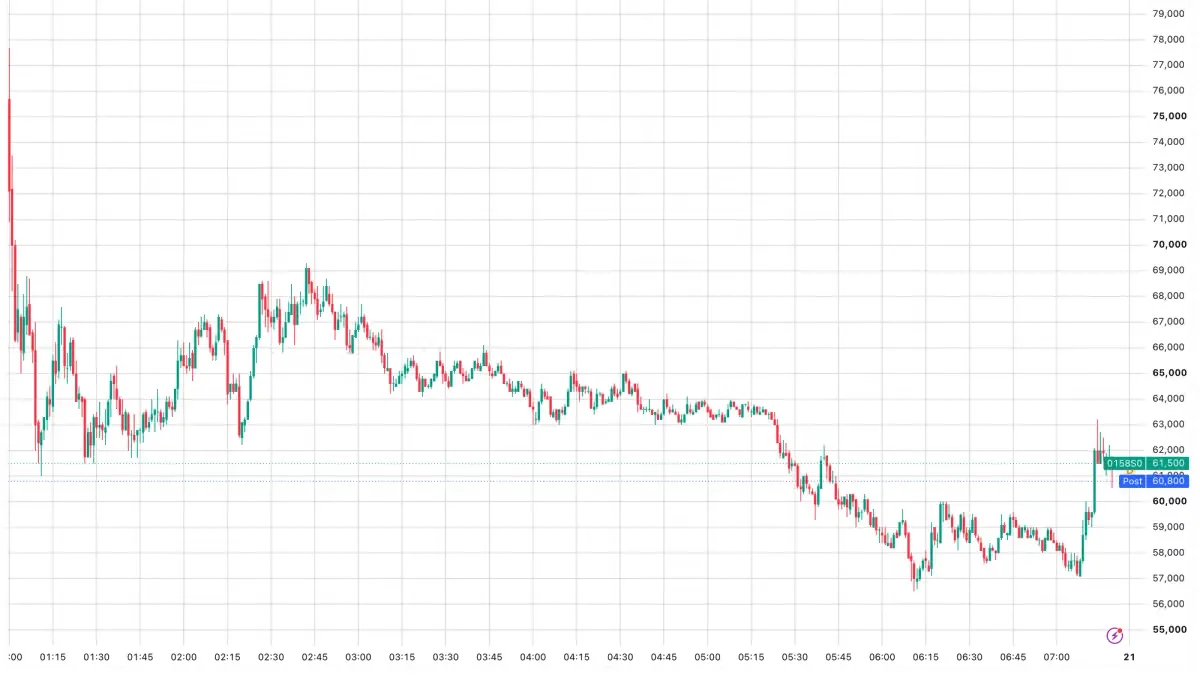
South Korean data center company Elice made a poor debut on the stock exchange on Tuesday (20/10/2026), with its share price plunging more than 30% from the offering price. Elice shares closed at 60,500 won (around US$45.57), far below the IPO price of 90,500 won. Its retail offering had been oversubscribed more than 400 times, reflecting an initial euphoria that has now turned into disappointment.
The Elice IPO raised US$151 million at a valuation of around US$755 million. However, the market responded negatively due to doubts over the profitability of capital-intensive AI infrastructure investment. Similar pressure was also visible in the United States market, where CoreWeave (CRWV) shares fell 3% in pre-market trading. The neocloud sector—providers of cloud computing services dedicated to AI—now faces intense scrutiny over borrowing costs, high debt levels, and unclear prospects for return on capital.
In South Korea, Elice's plunge also triggered heavy selling on the stock exchange. The KOSPI index closed down nearly 4% at 5,552. Shares of technology giant Samsung Electronics fell around 3%, while SK Hynix dropped around 4%. The pressure extends concerns that valuations in the technology sector, particularly those tied to AI, are too high and vulnerable to correction.
On the other hand, Brent crude oil prices jumped past US$111 per barrel, the highest level since May, while West Texas Intermediate (WTI) traded around US$100. The Brent premium of around US$11 reflects market concerns over supply disruptions from the Middle East and shipping risks. The rise in oil prices adds to global inflation pressure and could slow economic growth, especially for oil-importing countries such as Indonesia.
For Indonesia, the combination of a weakening global technology stock market and surging oil prices is a double alarm. As a net oil importer, higher Brent will weigh on the trade balance and the energy subsidy budget. Meanwhile, negative sentiment toward the AI sector could spill over into the domestic capital market, especially technology and startup shares that are seeking funding. Investors need to watch whether this turmoil is temporary or the start of a deeper correction.
Looking ahead, the big question is whether the capital-intensive neocloud business model can survive amid high debt costs and uncertain demand. If Elice and similar players fail to show profitability, a wave of caution toward AI investment could spread, pushing back the euphoria that has so far sustained global technology markets. For Indonesia, diversifying energy sources and strengthening capital market fundamentals are key to facing this external storm.