New Lawsuit Hits Trump's 50% Tariff on Canada: Cheese Imports Lose Rp640 Billion
Baca dalam 60 detik
- Gellert Global Group menggugat tarif Section 338 yang dikenakan Trump pada produk Kanada, menuntut pengembalian bea masuk yang sudah dibayar.
- Liberty Justice Center, firma hukum yang sebelumnya memenangkan gugatan atas tarif resiprokal di Mahkamah Agung, kembali menantang perluasan kekuasaan tarif presiden.
- Jika gugatan dikabulkan, ratusan miliar dolar bea masuk berpotensi direfund, mengguncang stabilitas fiskal dan rantai pasok global.
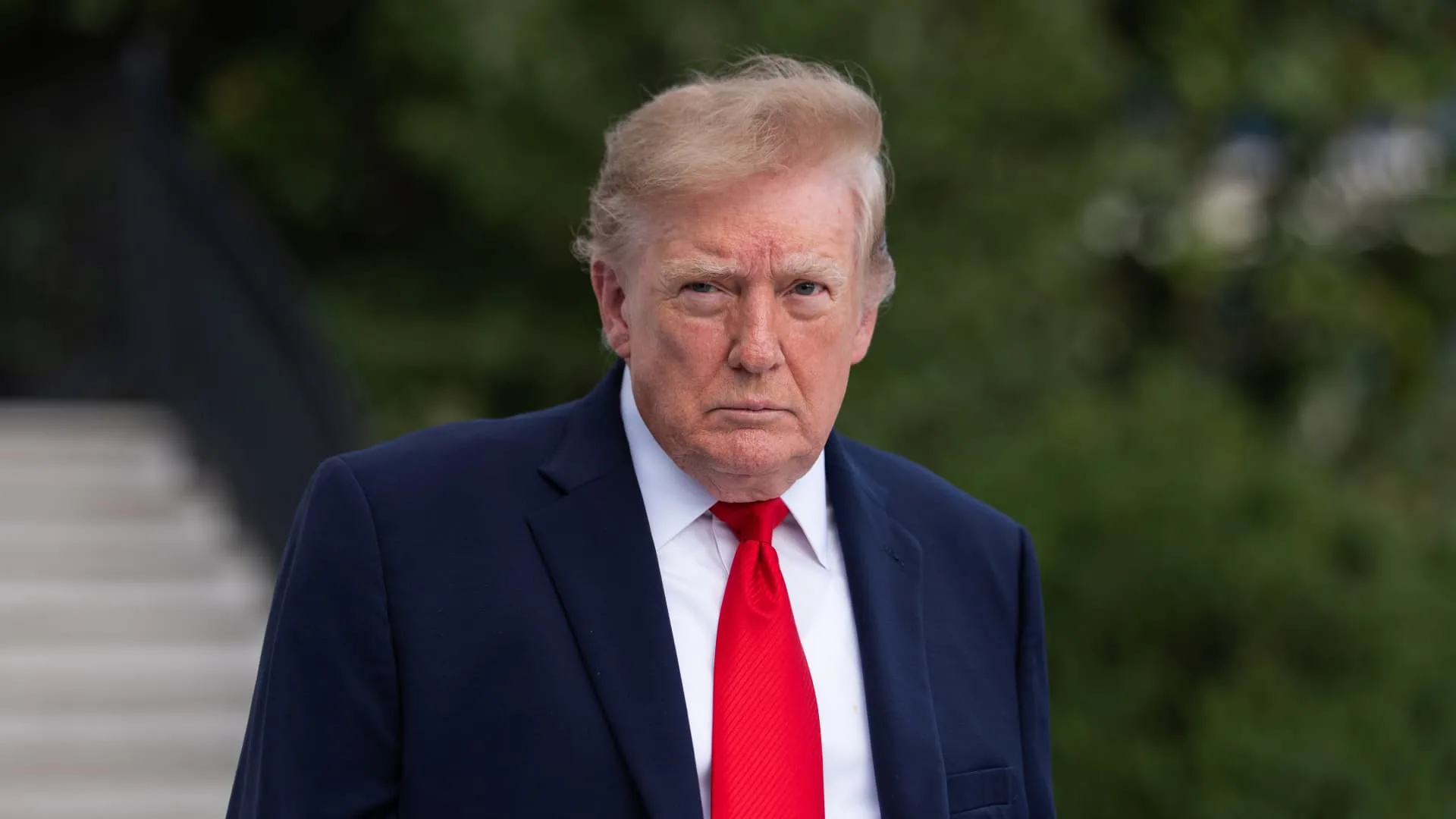
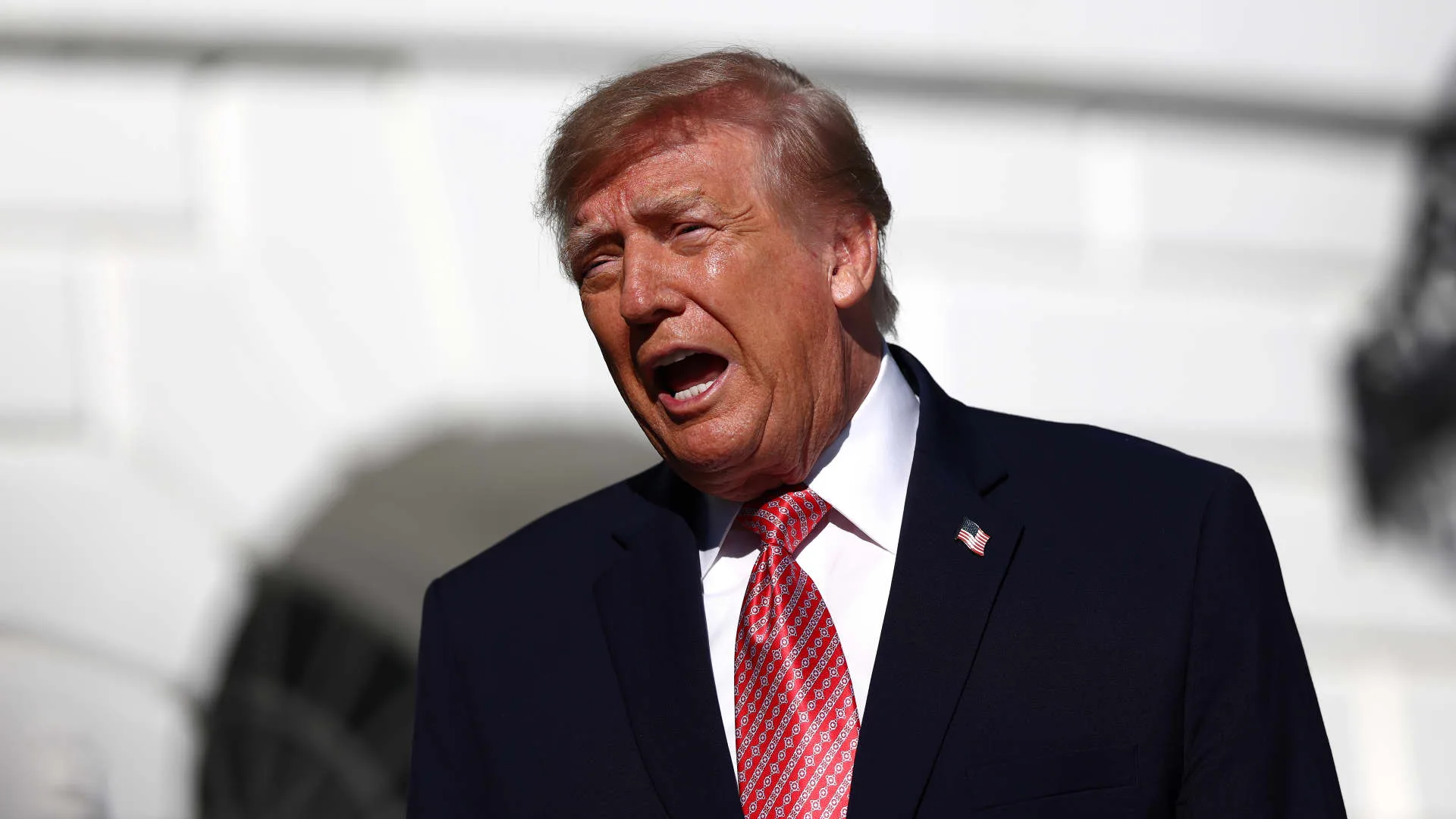
New Jersey—A New Jersey-based food importing company, Gellert Global Group, filed a lawsuit with the United States Court of International Trade on Tuesday (20/10/2026) local time, challenging the 50% tariff imposed by President Donald Trump on a number of Canadian products. The lawsuit marks a new chapter in the legal battle over the use of a Depression-era law, Section 338 of the Tariff Act of 1930, which for the first time was used as the basis for imposing tariffs by the White House.
Gellert, which imported USD71 million worth of cheese from Canada in 2025, claims the tariff is unlawful and asks the court to declare the policy illegal, halt its enforcement, and order the government to refund the customs duties already paid plus interest. The company estimates the tariff burden reaches USD40 million per year (about Rp640 billion at an exchange rate of Rp16,000/USD) and is currently still absorbing the cost, but says it will not be able to hold out for long.
In its complaint, Gellert asserts that Section 338 should only be used if there is a factual finding that another country applies unreasonable tariffs or restrictions on US products. However, the Canadian measures cited in Trump's proclamation—including retaliation against earlier US tariffs and the dairy quota provisions in the USMCA—are deemed non-discriminatory. “Retaliation is not discrimination,” the lawsuit reads, adding that the dairy quota provisions actually give American cheese better access to the Canadian market than similar products from other countries.
Gellert is represented by the Liberty Justice Center, the same legal advocacy group that successfully sued over Trump's “reciprocal” tariffs until the US Supreme Court struck them down last February. That victory forced the government to refund about USD166 billion in customs duties already collected. Now, the Liberty Justice Center is again challenging what it calls the president's misuse of the law. “This case is not about the president, it is about the presidency,” said Liberty Justice Center CEO Sara Albrecht in a statement on Tuesday (20/10/2026). “No president may take a long-dormant statute and use it to impose sweeping tariffs or import bans without the limits Congress required.”
Trump signed three proclamations on 20 July 2026 targeting Canadian imports in the automotive, alcohol, and dairy sectors with Section 338 tariffs. The tariffs took effect on 22 August after final trade talks with Canadian officials in Washington failed. Ottawa retaliated with “dollar-for-dollar” tariffs on US goods. Gellert's lawsuit also highlights that two of the Canadian measures cited by Trump were responses to US tariffs that the Supreme Court had already declared unlawful, so by law, retaliation cannot serve as the basis for imposing new tariffs.
For Indonesia, this development mirrors how trade disputes based on US domestic law can create uncertainty for trading partner countries. Although the Section 338 tariffs currently target only Canada, the legal precedent created—if the court strikes down the tariffs—could limit Washington's room to use similar instruments against other countries, including Indonesia, in the future. Conversely, if the tariffs are upheld, countries exporting products to the US risk facing similar measures on grounds of alleged trade discrimination. The Indonesian government needs to watch the direction of this court ruling because it could affect trade diplomacy strategy, particularly regarding exports of palm oil, textiles, and fishery products to the US market.
The case also illustrates the tension between presidential power and congressional authority in tariff policy. Trade observers assess that the use of Section 338—which is 96 years old and had never been used to impose tariffs—represents an expansion of executive interpretation that could create legal uncertainty for businesses. Meanwhile, the White House has not commented on the lawsuit.
Going forward, the US Court of International Trade will determine whether the Section 338 tariffs on Canada can continue or must be struck down. If Gellert's lawsuit is granted, a wave of similar lawsuits from other importers is expected to follow, and the US government may have to prepare a not-insignificant refund budget. Conversely, a government victory would entrench the use of the old statute as a trade weapon. The question is, will Congress take legislative steps to clarify the limits of presidential tariff power before this precedent becomes permanent?