Trump Opens Door to Putin-Xi Summit but Leaves Zelenskyy Out: A Signal of a New Axis Threatening Europe
Baca dalam 60 detik
- Presiden AS Donald Trump menyatakan siap bertemu Presiden Rusia Vladimir Putin dan Presiden China Xi Jinping untuk membahas akhir perang Ukraina, tanpa kehadiran Volodymyr Zelenskyy.
- Pernyataan itu muncul setelah Zelenskyy mengkritik keputusan Trump yang membatalkan sanksi baru terhadap Rusia dan mengeluhkan terganggunya layanan Starlink serta berbagi intelijen AS.
- Pertemuan trilateral berpotensi digelar di sela-sela KTT APEC di Shenzhen pada 18-19 November, membuka babak baru diplomasi yang menempatkan Ukraina di pinggir meja perundingan.
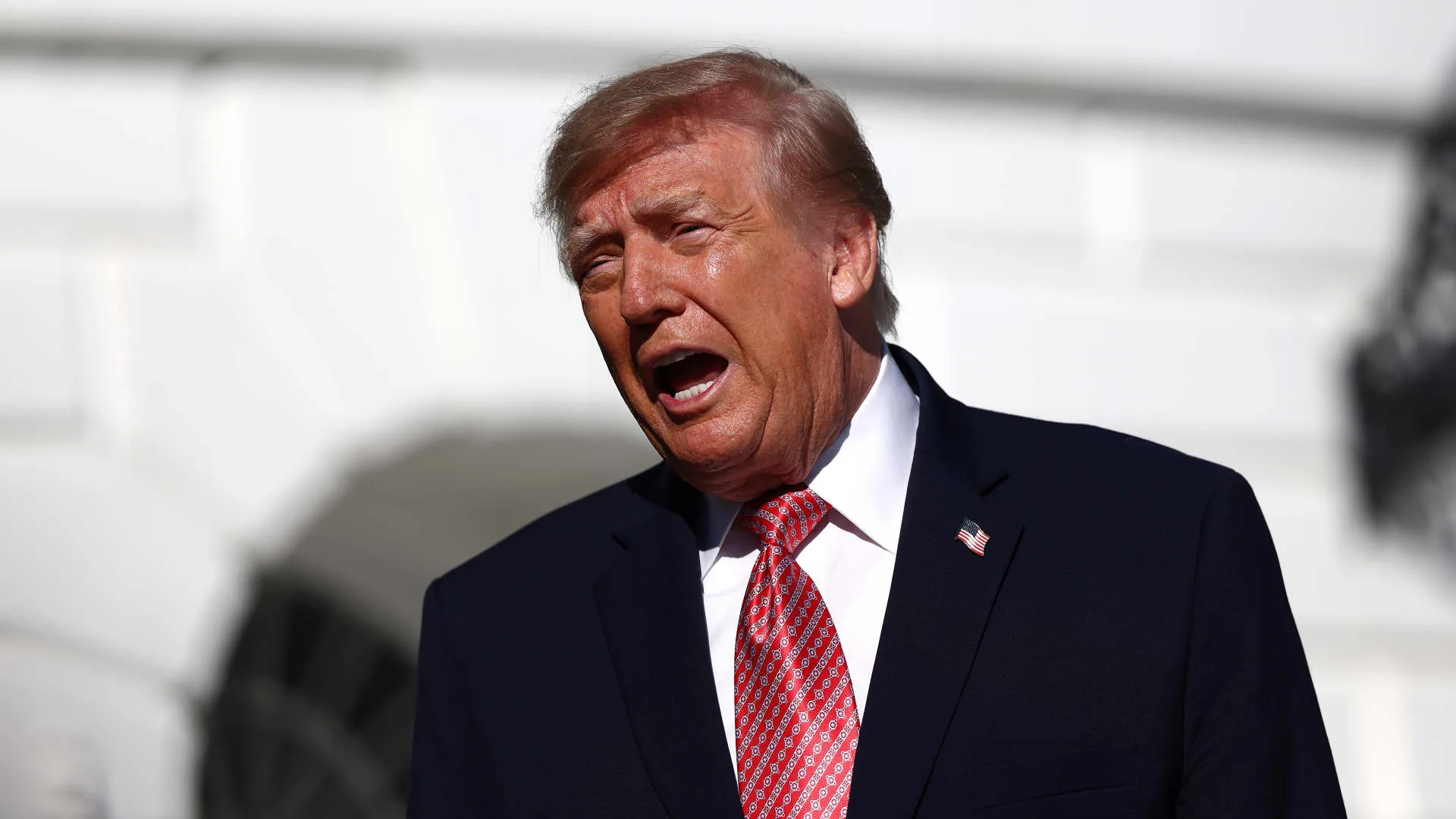
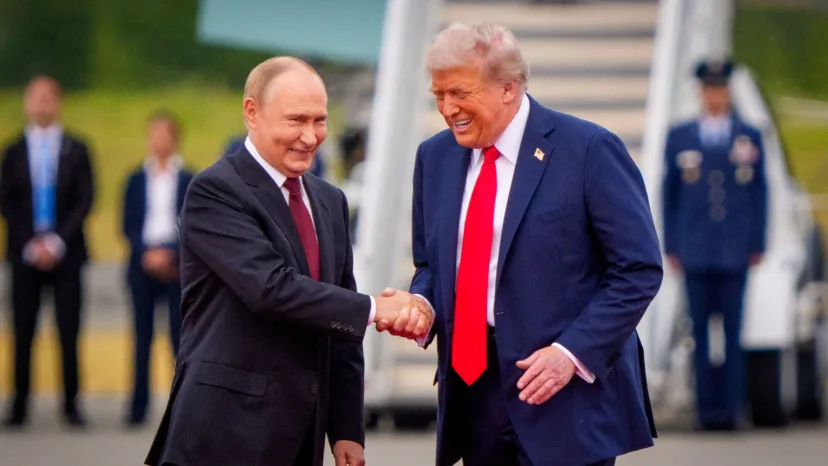
US President Donald Trump on Monday (19/10/2026) said he was willing to meet Russian President Vladimir Putin and Chinese President Xi Jinping to discuss ending the war in Ukraine. However, he firmly signaled that the meeting need not involve Ukrainian President Volodymyr Zelenskyy—a stance that widens the rift between Washington and Kyiv.
Speaking to reporters before leaving the White House for a campaign event in Kansas, Trump stressed that he was open to any format for the meeting. "Whatever I can do to end the war, whether someone is there or not," he said, as quoted by CNBC. The statement responded to a The Wall Street Journal report that Putin, in a phone call on 9 October, proposed a trilateral meeting with Xi next month, most likely on the sidelines of the Asia-Pacific Economic Cooperation (APEC) summit in Shenzhen, China, on 18-19 November.
Trump even mentioned that the initial focus of the meeting could include denuclearization, before adding that Russia was "doing fine so far in Ukraine" and "not doing much." He also touched on Russia and China, which have been accused of supporting Iran in its military confrontation with the US, saying they were "not doing much" for Tehran. The remarks show a shift in Washington's priorities: from fully backing Kyiv to seeking a quick way out through direct negotiations with the major powers.
Tensions between Trump and Zelenskyy peaked after the Ukrainian leader criticized Trump's decision to cancel new sanctions against Russia. Zelenskyy also revealed that satellite services Starlink and Starshield from Elon Musk's SpaceX had degraded, while the flow of intelligence from the US was disrupted—leaving Ukraine without early warning of Russian attacks. "There is no explanation from the American side for either of these issues," Zelenskyy said after meeting bipartisan lawmakers from the US House and Senate.
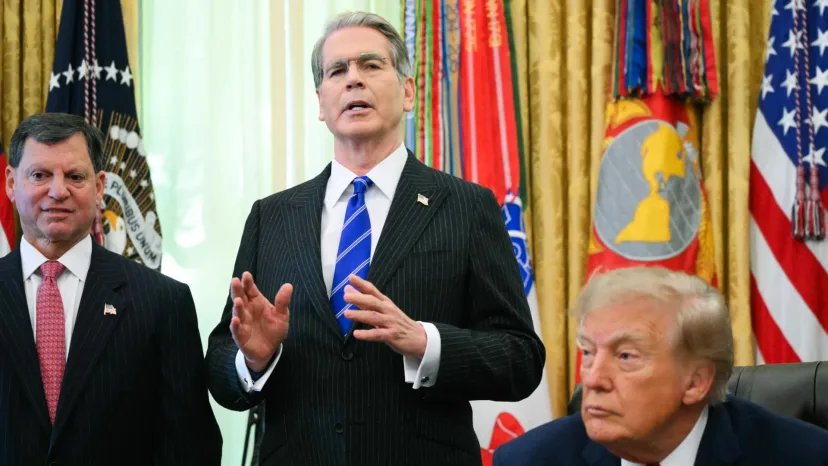
Trump responded sharply. "Zelenskyy doesn't know what he's talking about. He should have ended this war a long time ago," he said. He even called for someone else to represent Ukraine in negotiations—echoing his earlier call for Kyiv to "get a new president." Meanwhile, Secretary of State Marco Rubio denied that the US caused the Starlink disruption, and Treasury Secretary Scott Bessent warned Zelenskyy to "be very careful about making statements that are not true." Musk himself said the US government and Trump were "ultimately" responsible for any slowdown in service.
"Funding the Russian war machine, crippling Ukraine's satellite communications, and crippling its air defense are all obstacles to peace. Trying to appease criminals like Vladimir Putin will only prolong this war and add to the casualties," Senators Richard Blumenthal (D-Conn.) and Thom Tillis (R-NC) said in a joint statement.
Criticism also came from within the US. Trump had earlier drawn bipartisan condemnation after announcing a deal that would allow Russia to supply diesel to global markets despite sanctions still being in place. But Trump defended himself, arguing he "did not want to break off negotiations" with Putin over Ukraine, Iran, diesel, and hostage releases.
Indonesian Context and Global Implications
For Indonesia, these dynamics are more than geopolitical spectacle. As a non-aligned country that actively promotes peace, Jakarta has an interest in maintaining stability in the Indo-Pacific region—especially if US-China-Russia tensions spill over into the economic sphere. The threat of disruption to global energy supplies, including diesel, could hit a national economy that still relies on fuel imports. In addition, Indonesia's position at the APEC summit in Shenzhen could serve as a diplomatic platform to ensure the voices of developing countries are still heard amid the maneuvers of the major powers.
If the trilateral meeting does take place without Ukraine, the European security order will face a new test: the legitimacy of negotiations that exclude the party most affected. Meanwhile, the US Congress, which has been bipartisan in supporting Kyiv, may increase pressure on Trump. The question is whether Trump will actually step up to the negotiating table with Putin and Xi—and at what price peace is bought?