Vance Declines to Back Netanyahu, Signaling a Split in US Foreign Policy Strategy
Baca dalam 60 detik
- Wakil Presiden AS JD Vance secara terbuka menolak memberikan dukungan kepada Perdana Menteri Israel Benjamin Netanyahu, berbeda dengan sikap Presiden Donald Trump yang justru memuji sang pemimpin.
- Penolakan Vance mencerminkan upaya menjaga jarak dari kontestasi politik luar negeri saat fokus kampanye domestik menjelang pemilu sela, sekaligus mengindikasikan keretakan halus dalam komunikasi Gedung Putih.
- Sikap ini berpotensi memengaruhi persepsi publik AS terhadap Israel dan dinamika politik Timur Tengah, dengan implikasi pada hubungan bilateral Indonesia-AS di tengah tekanan global terhadap kebijakan Netanyahu.
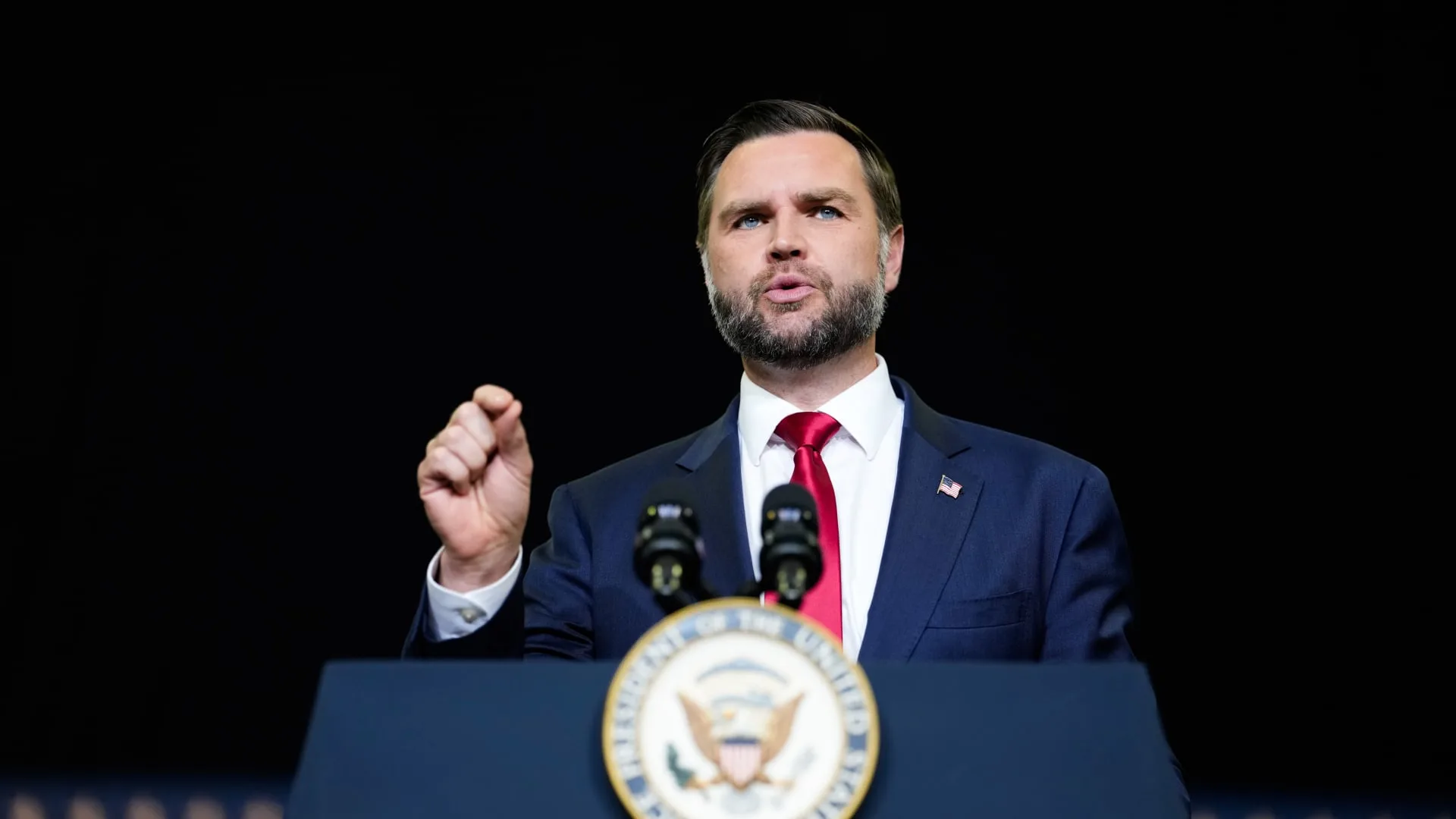
US Vice President JD Vance surprised the public by declining to offer explicit support to Israeli Prime Minister Benjamin Netanyahu, who is running for re-election. His stance contrasts with President Donald Trump, who openly praised Netanyahu, making it a rare divergence of political signals on the US government stage.
In an interview with the program 2WAY Tonight hosted by Mark Halperin, Vance stressed that he was not opposing Netanyahu, but also did not want to get involved in another country's electoral affairs. “I'm not anti-endorsing, and I'm not pro-endorsing,” he said, adding that his focus now is supporting American candidates ahead of the midterm elections. The statement signals that Vance wants to keep his distance from a foreign political contest that could drag in domestic issues.
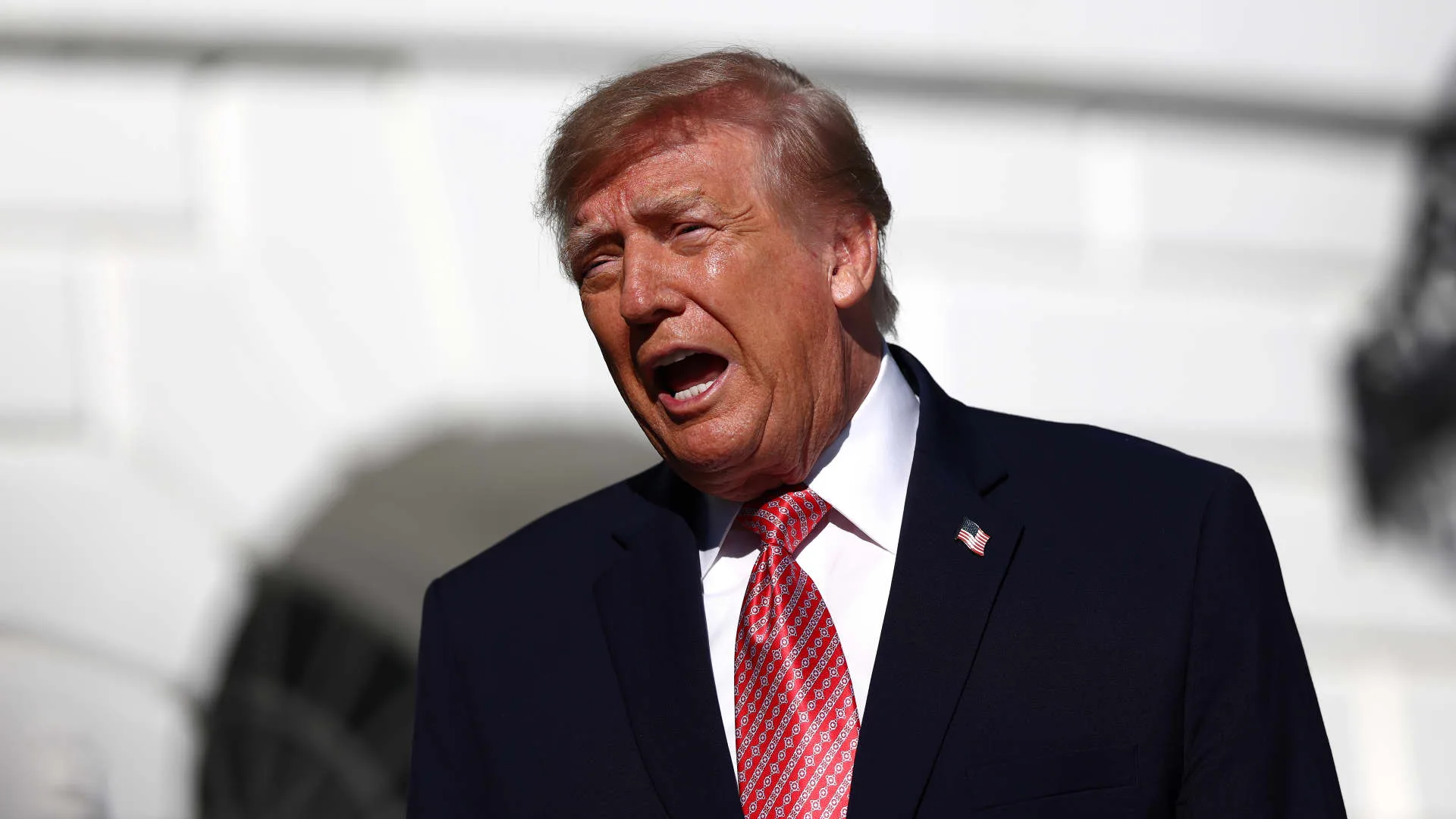
On the other side, Trump, via the Truth Social platform, praised Netanyahu as “a great Fighting Prime Minister, and an even better partner for peace in fighting the Islamic Republic of Iran.” Netanyahu thanked him for the support. The difference in stance between the president and the vice president raises questions about the coordination of US foreign policy messaging, especially as the administration faces public pressure over its Middle East policy.
Interestingly, Vance is not a figure averse to foreign political involvement. In April, he flew to Budapest to openly back Prime Minister Viktor Orban, who was then seeking re-election, though Orban ultimately fell. The previous year in Munich, Vance also met with Alice Weidel, leader of the right-wing Alternative for Germany (AfD) party. But in Israel's case, Vance chose to be cautious, perhaps because of the complexity of the issue and the scale of American public attention.
Vance's refusal also comes amid declining US public support for Israel. Since the 2023 Hamas attack and Israel's controversial military response, the debate in America has grown fiercer. Vance himself said in June that Israel had nearly lost all its allies in the world and needed to think twice before casting aside the only friend it had left. The statement shows he understands Israel's increasingly isolated international position, yet is reluctant to translate that into electoral support.
For Indonesia, this US political dynamic is worth watching. As the country with the largest Muslim population and a consistent supporter of the two-state solution, Indonesia has a direct interest in the direction of US policy in the Middle East. Vance's more cautious stance can be read as a signal that Washington is not fully solid in backing Netanyahu, opening room for Indonesian diplomacy to keep pressing for the peace process to return to a fair path. However, if Trump remains vocal in supporting Netanyahu, Indonesia needs to anticipate the possibility of a more pro-Israel US policy in the coming months.
Going forward, the public will be waiting to see whether this difference in stance between Trump and Vance will affect the outcome of Israel's election and the US position in the region. The question is, will the White House unify its foreign policy message, or will it let this rift become a reflection of the shifting landscape of US domestic politics ahead of the midterm elections?