Tap Water in Norway's Arctic Town No Longer Safe to Drink, a Climate Crisis Signal for the World
Baca dalam 60 detik
- Longyearbyen di Svalbard melarang warganya mengonsumsi air keran setelah kontaminasi logam berat akibat mencairnya permafrost.
- Kadar mangan sempat melonjak 25 kali lipat, disusul sulfat dan nikel yang melewati ambang batas, memaksa otoritas mencari solusi infrastruktur mahal.
- Para ilmuwan memperingatkan fenomena ini bisa menjadi contoh pertama dampak perubahan iklim terhadap sumber air tawar di kawasan Arktik lainnya.
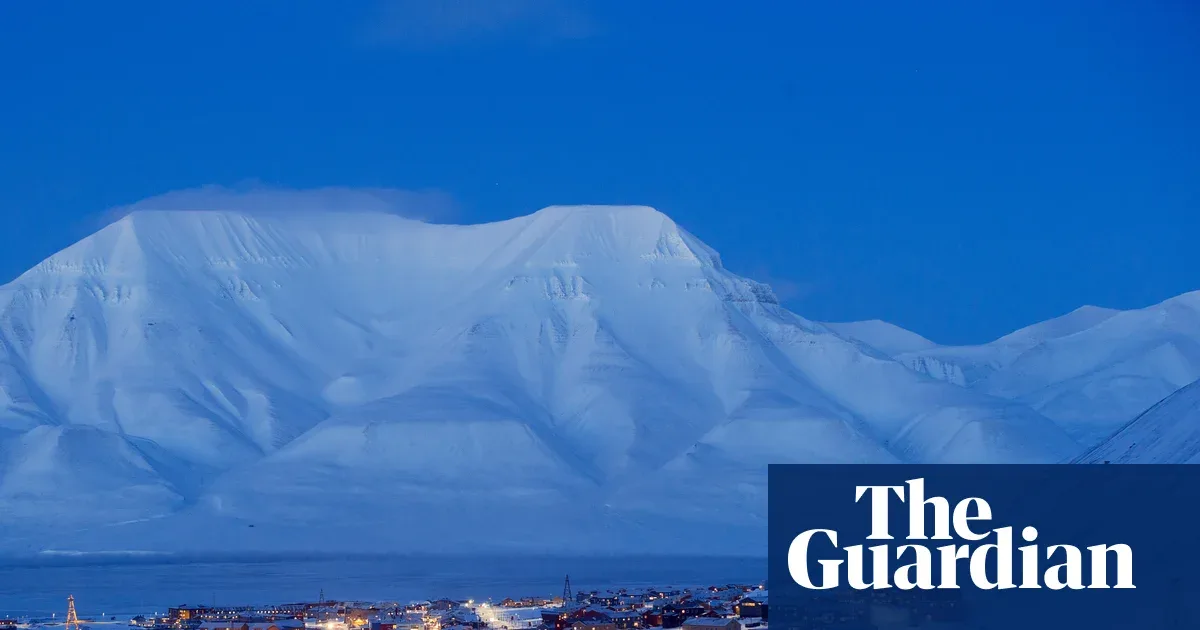
Residents of Longyearbyen, a small town in Norway's Svalbard archipelago, have received a firm instruction: tap water is no longer safe to drink. The ban was imposed after laboratory testing found heavy metal contamination that researchers link to the thawing of permafrost caused by global warming. Longyearbyen, about 800 miles from the North Pole, is one of the front-line settlements feeling the direct consequences of climate change on the most basic necessity of life.
The town of about 2,600 people has relied for its drinking water on Isdammen, a 2.5-kilometer reservoir lake known as the "ice pond". But rising temperatures have caused the permafrost—ground that should stay frozen year-round—to thaw. Previously protected bedrock is now exposed and releasing metals into residents' water source.
Data from local authorities show manganese levels in the water at one point reached 25 times the limit recommended by the Norwegian Institute of Public Health, which is 50 micrograms per liter. Longyearbyen Mayor Terje Aunevik acknowledged that the town's water quality was never ideal because of sediment, but this spike in manganese is unusual. "The levels exploded," he said, as quoted by international media.
Permafrost and Arctic geology expert Marjolaine Verret of the University Centre in Svalbard explained that the combination of shale rock containing pyrite—a mineral often called "fool's gold"—with thawing permafrost triggers a chain chemical reaction. When pyrite meets water and oxygen, it oxidizes and produces acid. That acid then dissolves heavy metals from the rock into the waterways. "The problem we face here is manganese, but other contaminants can be released as well," Verret said.
Long-term exposure to high levels of manganese is known to cause neurological disorders, especially in children and infants. Nevertheless, Aunevik stressed that manganese levels are no longer in the dangerous range. Even so, government guidelines must still be followed, so the ban on drinking tap water has not been lifted. He acknowledged the water crisis has caused "noise" among residents, some of them angry because their daily activities are disrupted.
"In Norway, we always took for granted that tap water could be drunk straight away. Now we have to get used to carrying water like this. Other small communities should be on alert and start thinking about what to do if their water sources experience something similar." — Terje Aunevik, Mayor of Longyearbyen
As an emergency measure, the town government installed a centralized purified water tank filtered by a local brewery. Residents can refill their containers at the local supermarket. A thorough investigation has also been launched to find the root cause and a permanent solution. Options under consideration include installing a filtration system at Isdammen with desalination as a backup, or the reverse. But Aunevik called all the options "very expensive" and technically challenging because water temperatures in Svalbard are often below freezing.
More worryingly, scientists consider the Longyearbyen case not an isolated event. Verret warned that the combination of pyrite-rich rock and thawing permafrost also exists in other parts of the Arctic, such as northern Canada and Alaska. "This could be the first example of how climate change affects freshwater," she said. That means small towns in northern regions that have relied on natural water sources need to prepare for similar possibilities.
For Indonesia, although it is far from the Arctic Circle, the lesson from Longyearbyen remains relevant. Several regions in the country face groundwater quality problems due to heavy metal pollution and seawater intrusion, especially in coastal areas and former mining sites. The phenomenon in Norway shows that climate change can accelerate the release of contaminants long "locked" in the ground, so water quality monitoring systems and clean water supply infrastructure need to be prepared more seriously.
Going forward, the big question is not only whether Longyearbyen can build a proper new water system, but how many other communities around the world will face a similar choice: invest heavily in filtration technology, or change a way of life long considered normal. The water crisis in the world's northernmost town is a reminder that climate impacts do not always arrive as a great storm; sometimes they seep quietly into our glass of drinking water.