Putin Proposes Trump-Xi-Zelenskyy Summit, Ukraine Feels Sold Out
Baca dalam 60 detik
- Vladimir Putin dikabarkan mengusulkan pertemuan tiga pemimpin dunia untuk menentukan masa depan Ukraina, tanpa melibatkan Volodymyr Zelenskyy.
- Langkah ini muncul setelah Trump mencabut sanksi ekspor diesel Rusia dan menunda sanksi baru, memicu kritik dari sekutu Eropa dan Partai Republik.
- Ukraina menuduh Washington memaksa Kiev menyerah, sementara pembatasan Starlink memperlemah kemampuan militer Ukraina di medan perang.
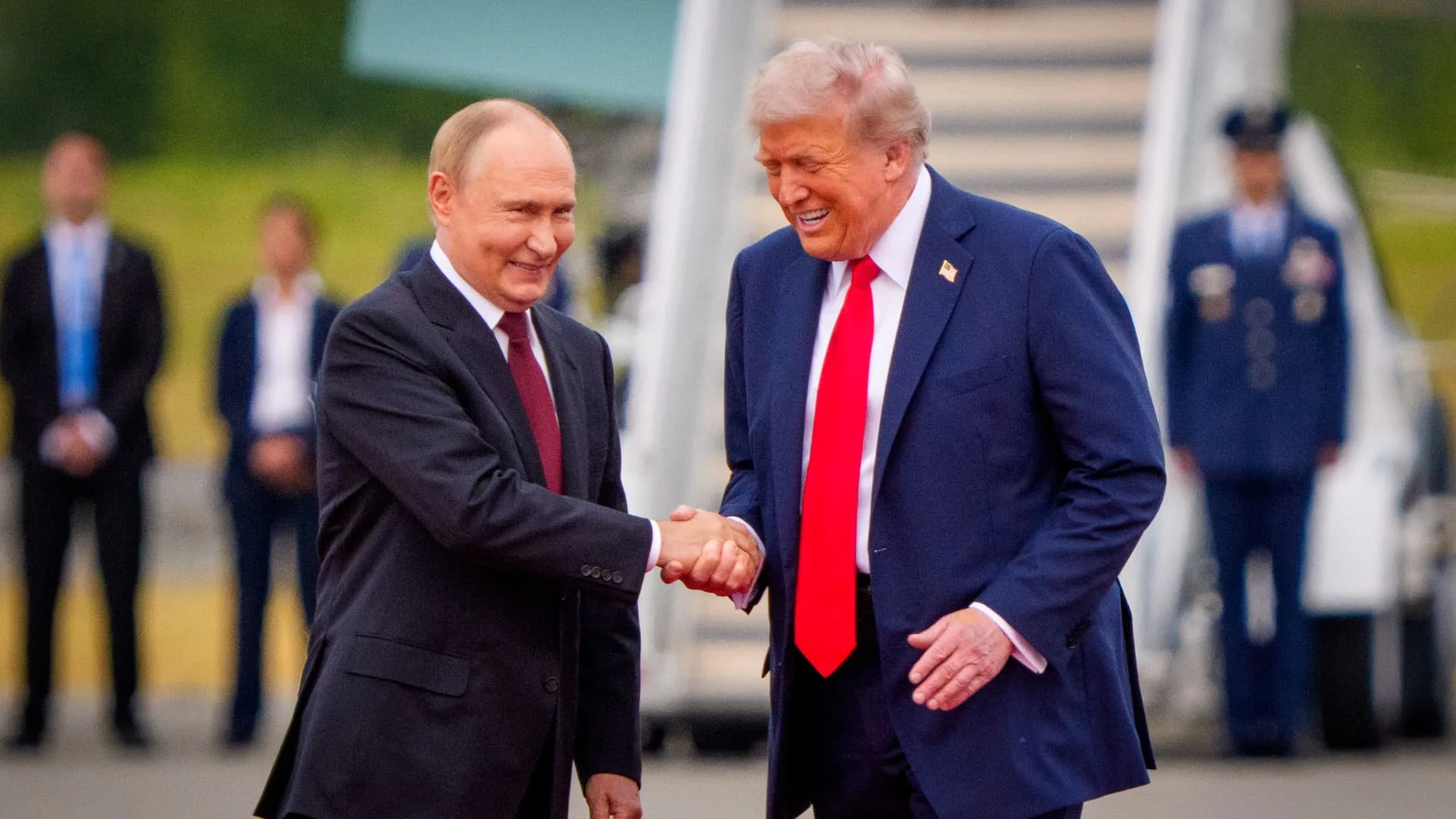
Russian President Vladimir Putin reportedly proposed a summit involving himself, US President Donald Trump, and Chinese President Xi Jinping to decide Ukraine's fate. The proposal emerged in a phone call on 9 October, according to a The Wall Street Journal report citing a former Russian intelligence officer. Notably, the meeting would not involve Ukrainian President Volodymyr Zelenskyy.
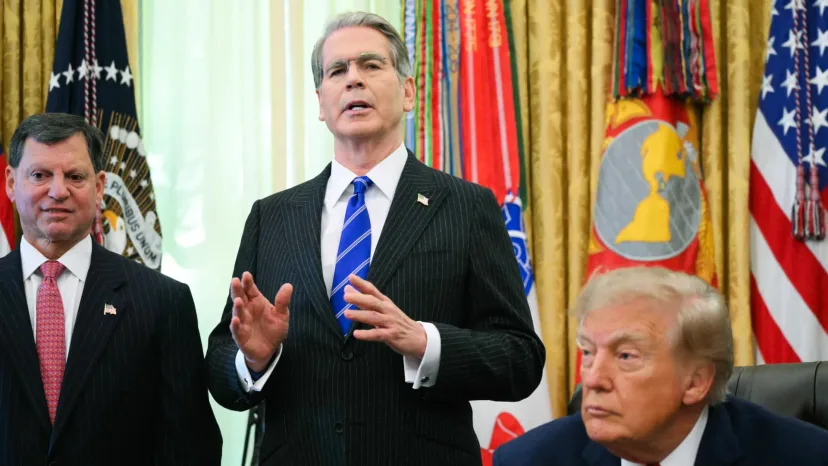
The report comes amid rising tensions between Ukraine and the United States, its largest military backer. Several recent steps by the Trump administration are seen as benefiting Russia, triggering concern among European allies and even criticism from some Republican Party members. Over the weekend, Trump defended his decision to temporarily lift sanctions on Russian diesel exports, and signed an executive order on 18 October that revoked new sanctions against Russia from a bill introduced by the late Senator Lindsey Graham.
Zelenskyy responded sharply to the policy. In a post on platform X, he said the decision to revoke all those measures felt wrong. Trump replied via Truth Social, accusing Zelenskyy of not wanting to end the war, and argued that the sanctions relief was meant to avoid pushing Russia away from the negotiating table. However, the Institute for the Study of War assessed that Trump's executive order on 16 October does not support his own stated foreign policy goal of ending the war in Ukraine. The institute warned that the policy instead allows Russia to keep financing and prolonging the war without sufficient incentive to negotiate seriously.
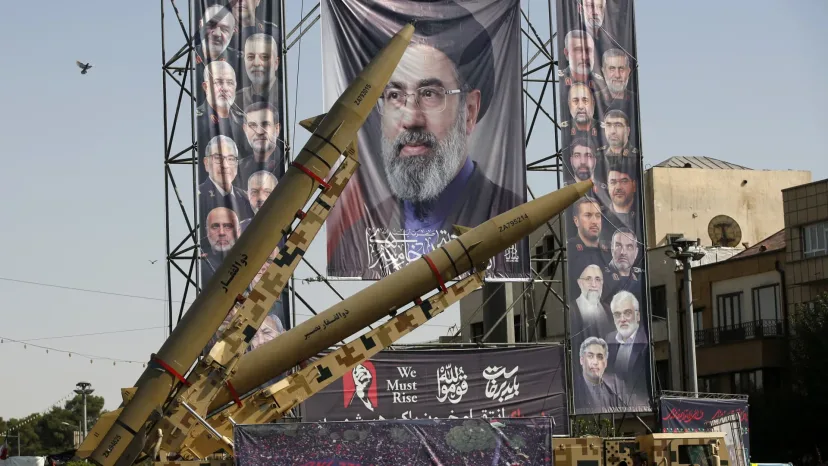
On the battlefield, the situation is growing more complicated. Trump had earlier asked Ukraine to stop attacks on Russian energy infrastructure because they were seen as raising diesel prices. The energy ceasefire announced on 11 October was ignored by Moscow, which continued to strike Ukrainian infrastructure. Ukraine briefly halted attacks for three days, but resumed strikes last Thursday. Over the weekend, both sides launched massive attacks: Ukraine deployed more than 1,000 drones at Russia and burned oil export terminals and refineries in St. Petersburg, while Moscow pounded Kyiv with ballistic missiles.
In an interview with Bloomberg on Sunday, Zelenskyy said steps had been taken to persuade Ukraine to surrender. He did not directly accuse the American partners, but said the current situation looked like a war that was meant to end at Ukraine's expense. That statement was reinforced by Kyiv's accusation that Washington restricted the Starshield network, the military version of SpaceX's Starlink used to control troops and defend against Russian attacks. Trump denied ordering the restrictions. However, SpaceX CEO Elon Musk stressed that the Starshield system is owned and controlled by the US government. The restrictions caused platforms moving above 160 kilometers per hour, such as interceptor drones, to lose connectivity. Ukrainian media reported that Zelenskyy called the restrictions a planned operation, because trials in European Union countries found no similar restrictions.
"Steps have been taken to persuade Ukraine to surrender. I am not saying that this is our partners' goal. I do not want to think that our American partners believe the war against Russia can be ended faster at Ukraine's expense. But that is how it looks," Zelenskyy told Bloomberg.
For Indonesia, the dynamics of the Ukraine conflict and US foreign policy have indirect implications for the region's economic and geopolitical stability. Prolonged tensions can affect global energy prices, including oil and gas, which are important commodities for Indonesia's economy. In addition, Indonesia's non-aligned position in this conflict continues to be tested by pressure from major powers. As the United States and China engage in negotiations that determine Ukraine's future, Indonesia needs to watch whether multilateral forums such as APEC or the G20 will become arenas for bargaining interests that could shift the agenda of developing countries.
The big question now: will the three leaders' summit actually materialize, and if so, will Ukraine accept decisions made without its presence? Meanwhile, military and diplomatic pressure continues to mount, and Europe appears increasingly sidelined from the negotiating table. The world waits to see whether Trump's controversial steps will bring peace or instead prolong the suffering of the Ukrainian people.