Hedge Funds Dominate Bond Market, Risk of Global Shock Grows More Real
Baca dalam 60 detik
- Deputi Gubernur Bank of England Sarah Breeden menilai dominasi hedge fund di pasar obligasi pemerintah membuat risiko penularan krisis antarpasar meningkat.
- IMF memperingatkan leverage dan strategi dagang berjubel hedge fund dapat memperbesar tekanan pasar, terutama setelah aksi jual obligasi global belakangan ini.
- Porsi hedge fund di pasar Treasury AS mencapai rekor 7% dari total 30 triliun dolar, memicu kekhawatiran atas stabilitas sistem keuangan global.
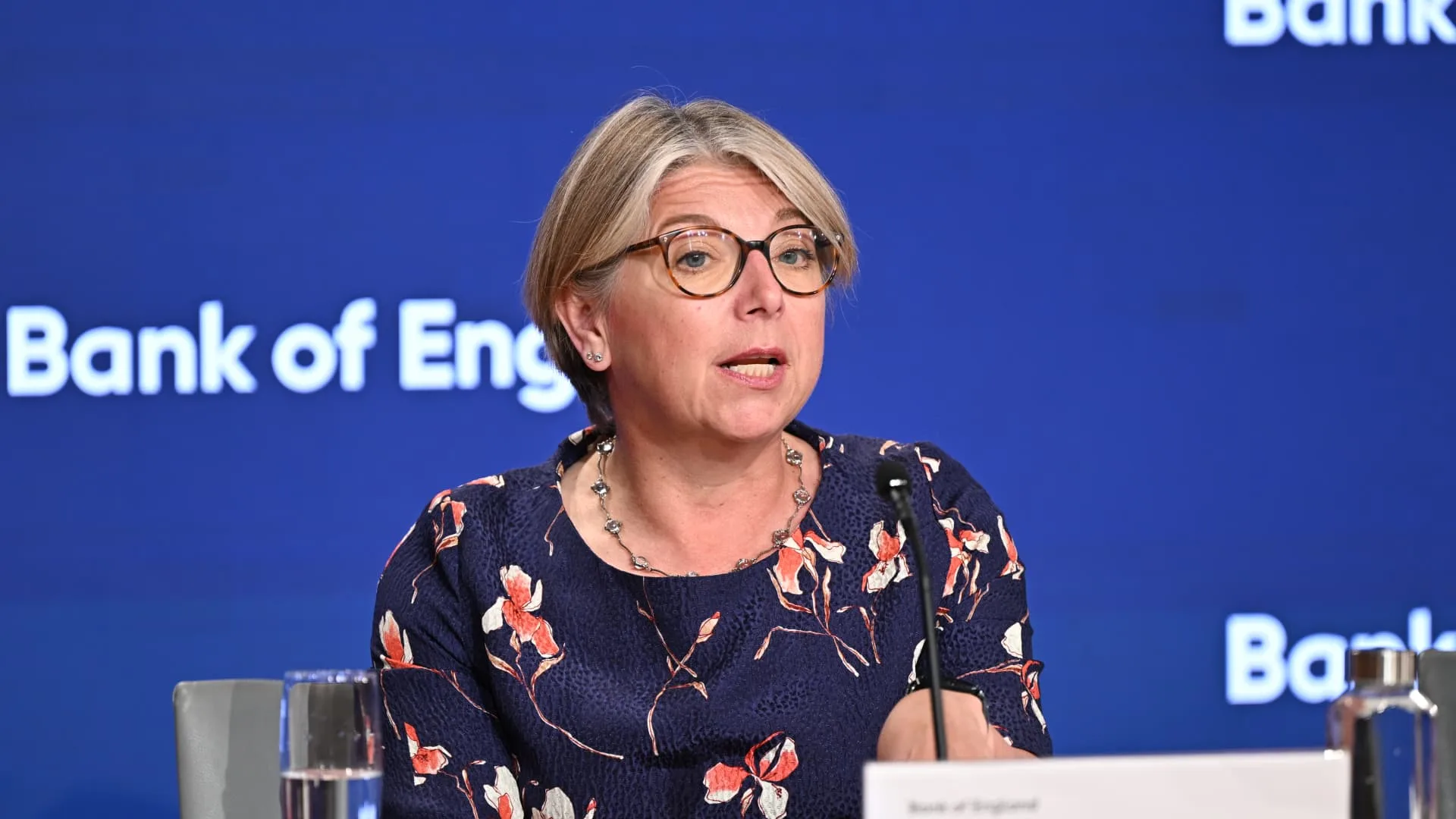
The shifting composition of investors in global government bond markets has become a new danger signal for financial stability. Bank of England Deputy Governor for Financial Stability Sarah Breeden said the increasingly dominant presence of hedge funds makes it more likely than before that market shocks will spread across countries.
In an interview with CNBC on the sidelines of the IMF-World Bank annual meetings in Bangkok, Thailand, Breeden explained that traditional investors such as insurance companies and pension funds are no longer the main players in core bond markets. Their position has been eroded by hedge funds, which have different characteristics: they are price-sensitive, use debt to magnify positions, and operate across borders. "The source of the shock is in the bond market, and the potential for contagion is higher than before," she said.
Breeden's warning aligns with the IMF's Global Financial Stability report released last Tuesday. The institution acknowledged that hedge funds help maintain market liquidity and efficiency, but also highlighted their use of leverage to chase high returns and their tendency to execute crowded trading strategies. According to the IMF, those two factors can accelerate pressure when markets are turbulent and spill over into other sectors, including banks' prime brokerage businesses that serve hedge fund transactions.
The most scrutinized phenomenon is the proliferation of the "basis trade," an arbitrage strategy in which hedge funds hold government bonds directly while taking a short position in the related futures contract. The price gap between the two instruments is actually thin, but with large leverage, returns can be multiplied. When markets move sharply, such positions are prone to triggering cascading liquidations that worsen volatility.
The concern is not unfounded. In recent weeks, global bond markets have been hit by massive selling. Yields on 10- and 30-year US Treasuries have surged to their highest level since 2002. In Europe, yields on UK gilts and French government bonds (OATs) also posted sharp increases, driven by concerns over France's deteriorating fiscal outlook. The situation raises the specter of a sovereign debt crisis that could once again haunt the eurozone.
"The investors in our core government bond markets have changed. They are no longer real investors like insurance companies and pension funds as they used to be. There are more hedge funds, and they are price-sensitive, use leverage, and are international. That means the potential for a shock in one market to spread to another is greater than before." — Sarah Breeden, Deputy Governor of the Bank of England
For Indonesia, this development is not merely distant news. The domestic bond market, especially government securities (SBN), is also populated by foreign investors, some of whom are short-term in character and sensitive to global yield movements. When US Treasury yields surge, SBN yields are inevitably pressured to maintain their appeal to foreign investors. Selling pressure from global investors seeking higher returns in developed countries could widen the budget deficit if the government has to raise the coupon rate on its debt securities. Bank Indonesia also faces a dilemma between maintaining exchange-rate stability and supporting economic growth.
More worrying, according to market observers, is the potential for contagion through the liquidity channel. If hedge funds are forced to liquidate positions simultaneously across countries, the impact could reach emerging markets, including Indonesia, within hours. Regulators in many countries are now being pressed to strengthen monitoring of cross-jurisdictional derivative transactions and leverage undertaken by hedge funds.
The question is whether global monetary authorities will be able to contain this risk before the leverage bubble in the bond market bursts. Breeden herself did not detail what concrete steps the Bank of England will take, but the signal is clear: the era of stable bond markets dominated by long-term investors is over. Now is the time for Indonesian regulators and other emerging-market countries to prepare for the possibility of shocks arriving sooner than expected.