Iran Prepares 'New Operational Plan' to Face US Attack, Commercial Ships in Arabia Reported Attacked
Baca dalam 60 detik
- Mohsen Rezaei, Sekretaris Dewan Keamanan Nasional Tertinggi Iran, mengumumkan kesiapan militer negaranya merespons setiap agresi baru dari AS dan Israel.
- Otoritas maritim Inggris melaporkan serangkaian insiden penembakan terhadap kapal komersial di perairan Arab Saudi, Yaman, dan UEA dalam tiga hari terakhir.
- Harga minyak mentah Brent melonjak ke level tertinggi sejak Mei, sementara diplomat Iran menyatakan pintu dialog masih terbuka.
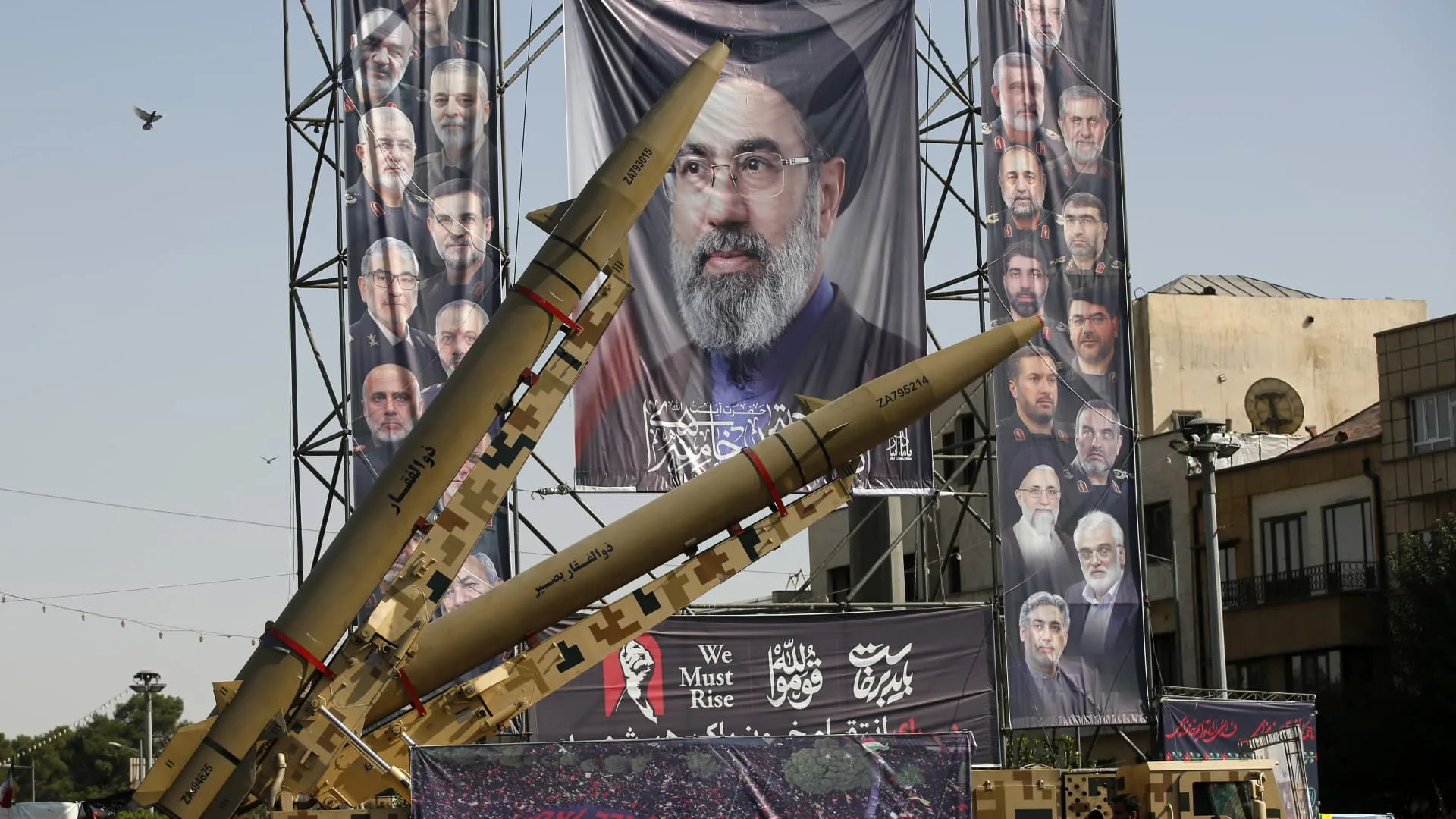
Tensions in the Gulf region have heated up again after a senior Iranian security official announced that the country's military has prepared a new operational scheme to retaliate against a potential joint attack by the United States and Israel. The statement came alongside reports of attacks on several commercial ships around the Arabian Peninsula, which immediately rattled global energy markets.
Mohsen Rezaei, Secretary of Iran's Supreme National Security Council, said via his X account on Sunday that the country's armed forces were ready to respond to "any new act of adventurism" with a force far exceeding that of the previous 12-day and 40-day conflicts. He was referring to Israel's attack in June 2025 and the escalation triggered by the US and Israel last February. He stressed that the statement was a signal that Tehran would not play by the same rules as before.
On the other side, US President Donald Trump, in an interview with Newsmax last week, stressed that he had no plans to use nuclear weapons against Iran and did not see the need to deploy ground troops. Responding to a question about the possible use of the GBU-43/B MOAB bomb, known as the "Mother of All Bombs", he emphasized that Washington did not need to take such an extreme step.
Iran's threat is not mere rhetoric. The United Kingdom Maritime Trade Operations (UKMTO) reported that a tugboat northeast of the UAE was hit by two unidentified projectiles on Sunday. A day earlier, the master of an LNG tanker southwest of Yemen reported the approach of a skiff carrying seven people that fired two shots, which were answered by two warning shots from the ship's security team. On Friday, a tanker northeast of Saudi Arabia was hit by a rocket-propelled grenade from a small boat.
Saudi Arabia's military also claimed to have intercepted several missiles passing over the Red Sea on Friday, including one heading toward the Yanbu oil export terminal. Three drones were reported destroyed in the Riyadh area and the southern part of the kingdom. The Saudi Energy Ministry said Aramco's administrative facilities in Dhahran were targeted by Houthi militant attacks on Tuesday, adding to the list of energy assets within reach of the conflict.
"Iran's new operational plan will not follow the rules they know," Rezaei said, as quoted from his statement on the X platform.
Despite the hardening tone of the threat, Iranian Foreign Minister Abbas Araghchi, via the IRNA news agency, stressed that Tehran would not surrender its sovereign rights under pressure but remained open to dialogue. This double signal points to a complicated political calculation: Iran wants to maintain its bargaining position without closing the door to diplomacy that could ease economic pressure.
For Indonesia, the escalation in the Arabian Gulf is not a distant event. As a net oil importer, rising Brent and WTI prices will feed through to domestic energy costs, especially if the conflict disrupts shipping lanes through the Strait of Hormuz, the main artery for oil shipments to Asia. The government needs to anticipate the impact on energy subsidies and inflation, while national shipping businesses traversing Middle East routes face the risk of soaring insurance premiums.
The oil market itself has responded quickly. Brent futures broke through USD 110 per barrel for the first time since May before ending at USD 109.86, while WTI posted a weekly gain of more than 10 percent. If attacks on commercial ships continue, pressure on the global energy supply chain could grow and force consumer countries, including Indonesia, to review their oil reserve strategies and diversify import sources.
The question now is: will Iran actually execute the operational plan it claims, or is the statement merely a bargaining chip ahead of new negotiations? What is clear is that the past three days have shown that Arabian waters have become a testing ground for the resilience of diplomacy and the stability of world energy prices.