Christian Horner Speaks Out on His Red Bull Departure: "Perhaps I Was Seen as Too Influential"
Baca dalam 60 detik
- Christian Horner mengungkapkan bahwa kepergiannya dari Red Bull diduga karena dianggap memiliki pengaruh berlebihan dalam tim.
- Meninggalnya pendiri Red Bull Dietrich Mateschitz memicu pergeseran budaya manajemen dari pengambilan keputusan personal ke komite korporat.
- Kepergian Horner menandai berakhirnya era kepemimpinan tunggal di Red Bull dan membuka babak baru dinamika kekuasaan di Formula 1.
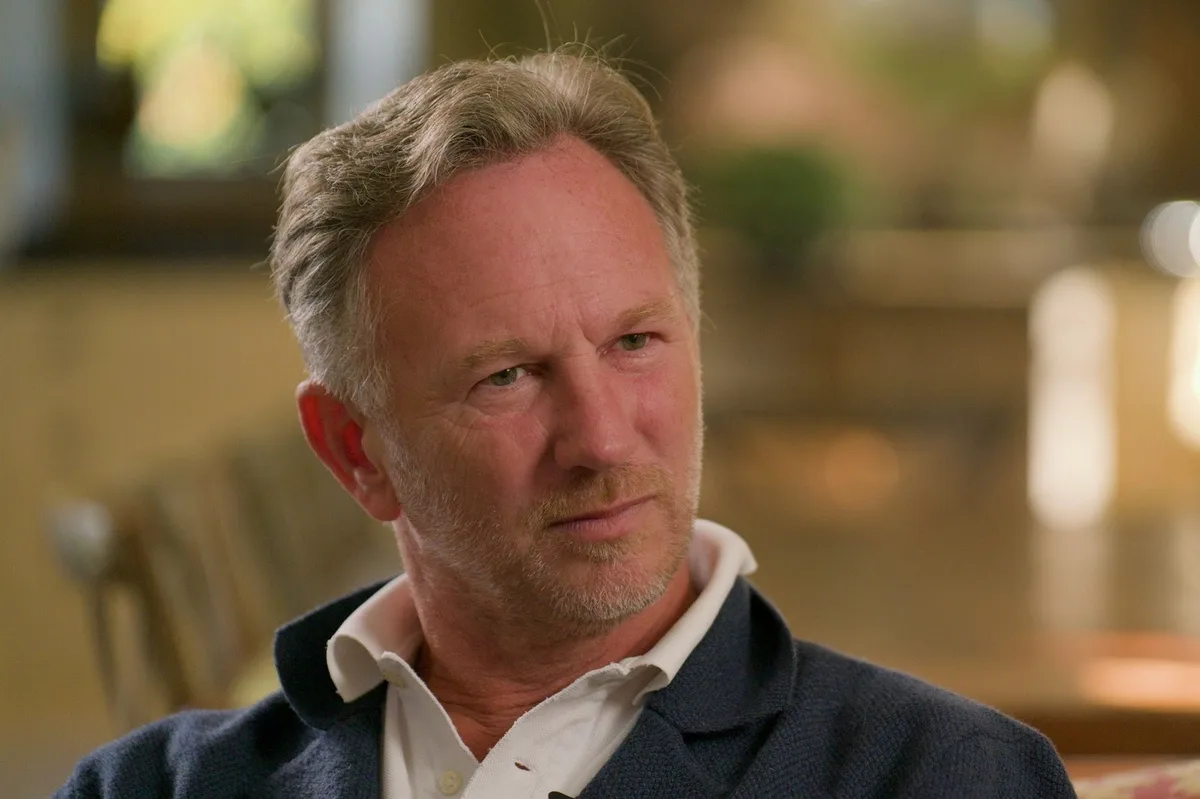
Christian Horner has finally spoken out about the reasons behind his dismissal as Red Bull Racing team principal in July 2025. In an exclusive interview with Autosport magazine, he suggested that the perception of his outsized influence within the team was one of the triggers for the decision. "I think the company just wanted to take a different direction, or perhaps I was seen as having too much influence over the team," he said. He also highlighted that life after Dietrich Mateschitz's departure was very different within the group.
Horner is no ordinary figure. The Englishman was handpicked by Red Bull founder Dietrich Mateschitz to lead the transformation of the Jaguar team into Red Bull Racing. Under his command, the team became a dominant force in Formula 1, guiding Sebastian Vettel to four consecutive world titles (2010-2013) and Max Verstappen to four drivers' titles and three constructors' titles (2021-2024). That success made Horner one of the most influential principals in modern F1 history.
However, Red Bull's internal dynamics began to shift after Mateschitz died in October 2022. According to Horner, the departure of the charismatic founder created a leadership vacuum that then triggered a power struggle. The brand's board, now overseen by CEO Oliver Mintzlaff, sought to take control of F1 operations from Horner. "He was Red Bull. All significant decisions went through him, he built that business from scratch," Horner recalled of Mateschitz. He also added that after Mateschitz's departure, management became more committee-driven and corporate, different from the one-man decision-making style they had known.
An internal investigation into allegations of inappropriate conduct had tarnished Horner's name in 2024, although he was later cleared of all allegations. However, the process still left scars and accelerated divisions within the team. The departure of key figures such as genius designer Adrian Newey and sporting director Jonathan Wheatley further muddied the situation. Red Bull's on-track performance also began to decline ahead of the 2025 season, culminating in the decision to dismiss Horner.
"I will be forever grateful to him. He gave me the opportunity, he believed in me, and he gave me the freedom to run this business," Horner said, recalling Mateschitz.
Horner's departure marks the end of a single-leadership era that had taken Red Bull from a midfield team to a dynasty. It also reflects a shift in the management landscape in F1, where big teams are increasingly run like multinational corporations with thicker layers of bureaucracy. For Red Bull, the challenge ahead is to prove that the new structure can maintain competitiveness amid increasingly tight competition, especially with the 2026 technical regulations set to take effect soon.
For F1 fans in Indonesia, the dynamics at Red Bull mirror how leadership transitions can affect team performance. Can Red Bull bounce back without Horner, or will they fall further behind rivals like McLaren and Ferrari? Only time will tell, but one thing is certain: Red Bull's golden era under Horner's control has officially ended.