New Wind Tunnel Becomes Red Bull and Verstappen's Hidden Ace for the 2027 Season
Baca dalam 60 detik
- Red Bull dijadwalkan mengoperasikan terowongan angin baru pada kuartal pertama 2027, meninggalkan fasilitas berusia 70 tahun yang disebut 'relik Perang Dingin'.
- Kebangkitan performa RB22 di paruh musim 2026 membuat Verstappen percaya arah pengembangan tim sudah tepat, meski gelar juara musim ini sudah di luar jangkauan.
- Verstappen menargetkan finis tiga besar klasemen pembalap, tetapi menegaskan posisi runner-up tidak berarti apa-apa jika bukan gelar dunia.
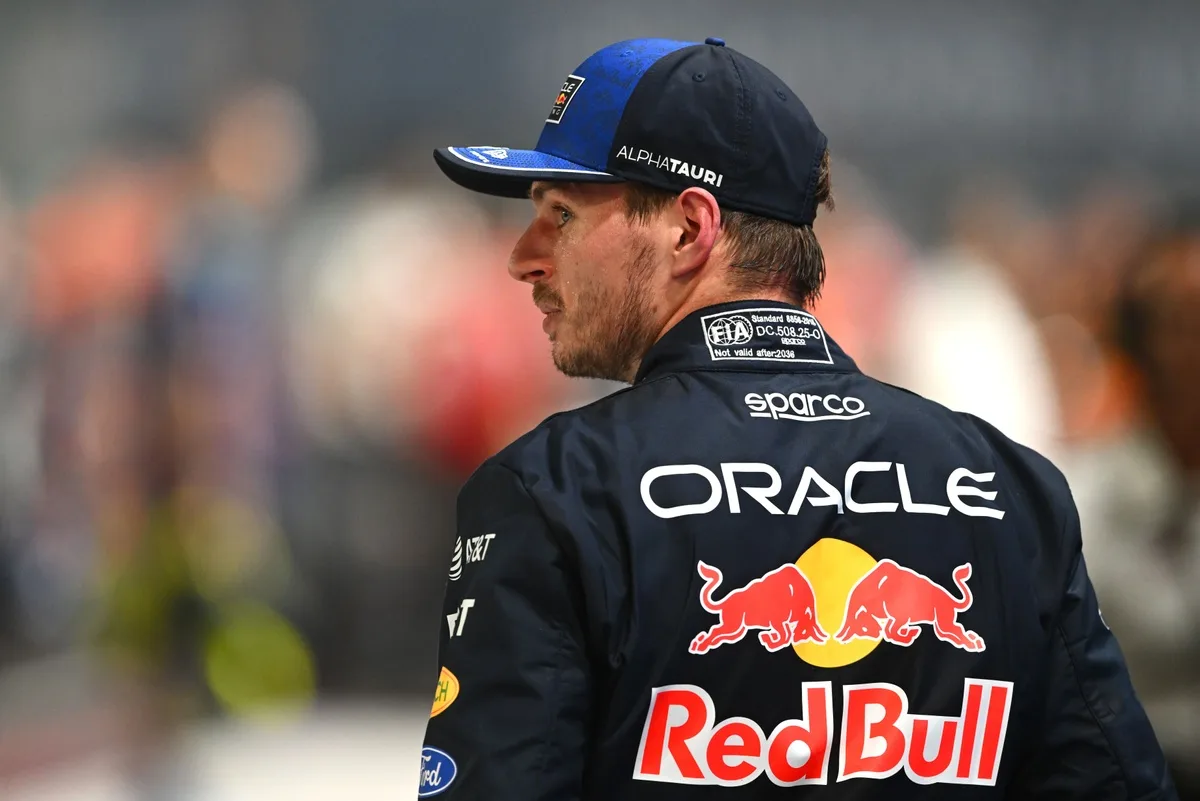
Red Bull Racing is holding an ace that has not been widely discussed in public: a new wind tunnel scheduled to come online in the first quarter of 2027. The facility will replace the 70-year-old wind tunnel near Bedford, England, which has been the oldest aerodynamic testing tool on the Formula 1 grid. For Max Verstappen, the switch is not merely an infrastructure project but the foundation for building an RB23 that can compete from the start of the season.
That confidence emerged after Red Bull showed an upward performance curve in the second half of the 2026 season. Two wins in the last three Grands Prix and a gap of just 0.196 seconds in Baku are evidence that the upgrade package introduced from mid-season is working as expected. Yet at the start of the season in China and Japan, the Milton Keynes-based team was still caught in a midfield battle against Haas and Alpine.
The change is inseparable from the team's success in resolving various technical problems with car components. Verstappen said every update introduced this year has gone according to plan, unlike several rival teams that still doubt the effectiveness of their upgrades. According to him, that consistency is an important asset heading into next season, especially because the same technical regulations will enter their second year with development intensity expected to tighten further.
Even so, Verstappen declined to talk about this season's title target. He stressed that finishing second or third in the final standings would change nothing for him. "In the end you don't win. You don't become world champion, and that is all that matters to me," he told Dutch media in the Singapore paddock. The remark underscores the standard he sets: only a championship counts as an achievement.
"The most important thing is to see where we were at the start of the season and where we are now. All the upgrades introduced since then, and also the problems with certain components, we have solved. That is very important heading into next year." — Max Verstappen
The new wind tunnel is a hidden factor that could reshape the 2027 competitive map. So far, the correlation between wind tunnel data and on-track performance has often been Red Bull's weak point. Horner repeatedly described the old facility as like 'two different watches' because test results did not always match reality on track. With the new facility, the team hopes to cut the risk of development-direction errors that once held them back in the previous regulatory era.
Verstappen acknowledged that the new wind tunnel cannot be used for the early development of the RB23 because the car's design process is already underway. However, the facility remains crucial for development throughout the 2027 season, when the upgrade race is expected to be fierce. He also said that past correlation problems may have been partly influenced by the car's wider and longer dimensions, so the test model did not fully represent real conditions. The new regulations with different car dimensions are expected to improve testing accuracy.
For F1 fans in Indonesia, this dynamic is worth watching because the 2027 season will test whether Red Bull's infrastructure investment pays off. If the new wind tunnel works as hoped, Verstappen could return as a title contender from the first race. Conversely, if the calibration process drags on, Red Bull could lose momentum in a crucial phase of car development. The question now: will the new facility be enough to make the difference, or will another team exploit the regulatory gap first?