Delta Delays Inaugural Riyadh Flight After Airport Attack, Signaling Geopolitical Risk on US–Middle East Routes
Baca dalam 60 detik
- Delta Air Lines menunda debut rute nonstop Atlanta–Riyadh hingga Maret 2026 setelah serangan mematikan melumpuhkan Bandara King Khalid.
- Penundaan ini membatalkan tonggak sejarah penerbangan komersial nonstop pertama antara AS dan Arab Saudi yang dioperasikan maskapai Amerika.
- FAA mengeluarkan peringatan keamanan hingga 10 Desember, memaksa maskapai global meninjau ulang ekspansi ke kawasan konflik.
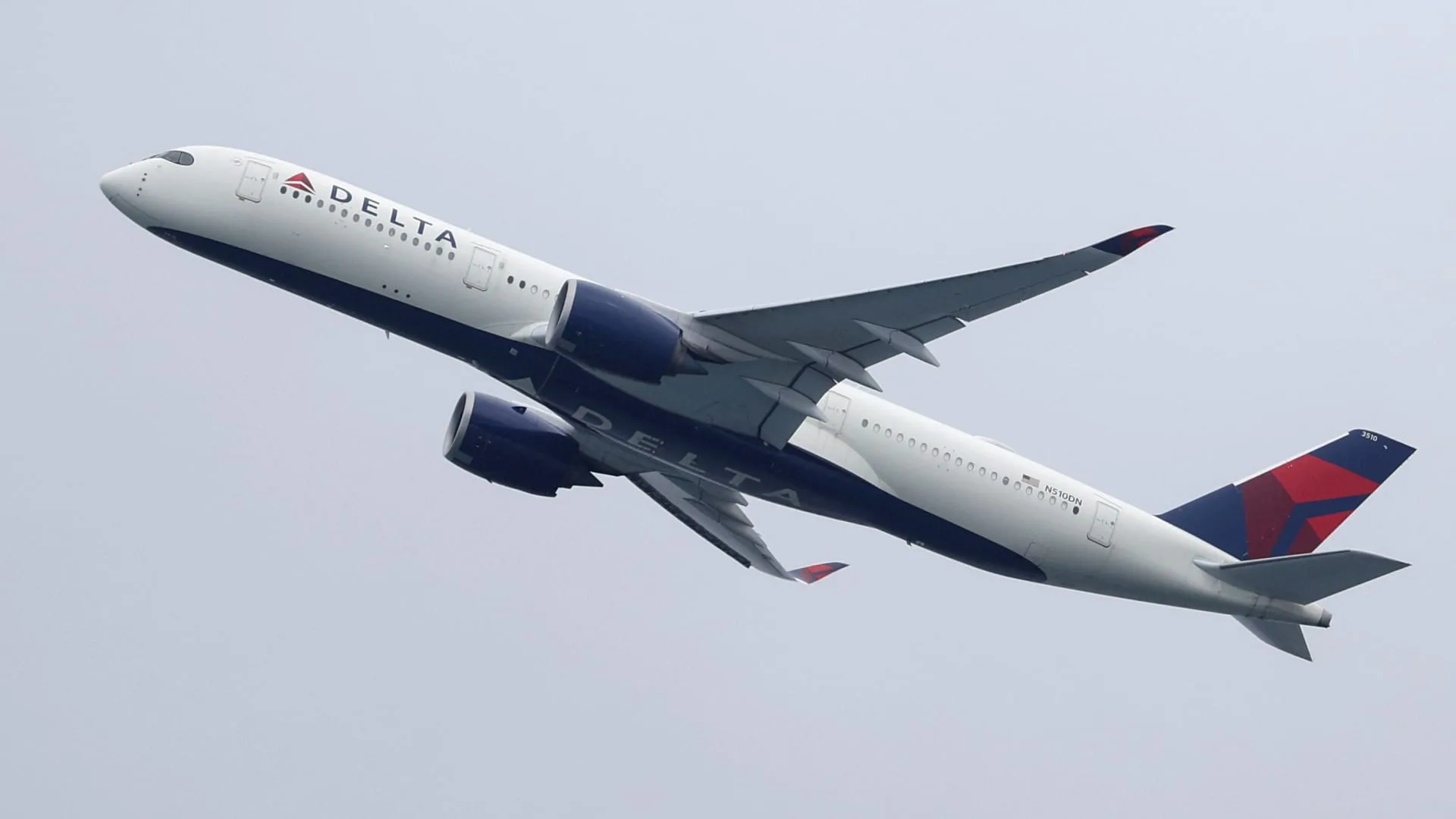
Delta Air Lines has decided to postpone the launch of its nonstop Atlanta–Riyadh flight until March next year, scrapping a milestone originally scheduled to begin on 23 October. The decision came after a series of deadly attacks crippled King Khalid International Airport, including a projectile that struck a passenger terminal last Saturday and killed at least 12 people and injured more than 300 others.
The route was designed as the first nonstop commercial flight between the United States and Saudi Arabia operated by a US carrier, using a widebody Airbus A350-900 aircraft. However, since Thursday, thousands of flights to and from Riyadh have been canceled according to Flightradar24 data, and the airport remained closed as of Monday. The attack was claimed by the Iran-backed Houthi group, marking an escalation of regional conflict that directly affects global air connectivity.
Delta said it remains committed to serving the Saudi Arabian market in the long term. "We continue to coordinate with government and aviation partners, including Saudia and Riyadh Air, while monitoring the situation," the airline said in its official statement. Delta CEO Ed Bastian previously said he was disappointed with the development and stressed that safety factors would be the main determinant. "Obviously we're disappointed with this week's news. Safety will decide," he told CNBC on Thursday.
Delta's decision came after the Federal Aviation Administration (FAA) on Sunday instructed US airlines to exercise caution when flying in or around Saudi Arabia. The FAA cited "aviation safety risks related to ongoing military activity" and navigation system disruptions, with potential threats at all altitudes. The warning is valid until 10 December, putting pressure on other airlines to reevaluate Middle East routes.
For Indonesia, this postponement is a reminder that tensions in the Middle East can spill over into the aviation and economic sectors. A number of national carriers and hajj/umrah flights crossing Saudi Arabian airspace could face route adjustments, higher insurance costs, and higher ticket prices. The Indonesian government needs to strengthen aviation safety protocols and diplomatic coordination to protect citizens traveling to the region.
Delta's postponement also highlights the vulnerability of airlines' expansion strategies into the Middle East market amid geopolitical instability. Although Saudi Arabia is aggressively attracting aviation investment through its Vision 2030, attacks on vital infrastructure can erode international airline confidence. Delta is not alone; several airlines have suspended flights to Riyadh this week, while the US and Australia have urged their citizens to avoid travel to the region.
Going forward, the big question is whether this postponement will be temporary or signal a long-term shift in the global aviation route map. If tensions continue, other airlines may follow Delta's lead, slowing the post-pandemic recovery of air connectivity. Governments and industry players need to prepare for worst-case scenarios, including route diversification and increased regional security cooperation.