Trump Buys Up 4 Million Tons of Russian Diesel, US Fuel Prices on the Brink
Baca dalam 60 detik
- Trump mengumumkan kesepakatan pasokan diesel Rusia lebih dari 4 juta ton ke pasar global, meski masih ada sanksi AS terhadap minyak Rusia.
- Langkah ini menuai skeptisisme karena dianggap tidak serta-merta menurunkan harga bahan bakar di AS menjelang pemilu midterm.
- Ketegangan di Selat Hormuz dan serangan tanker yang meningkat menambah ketidakpastian pasokan minyak mentah dunia.
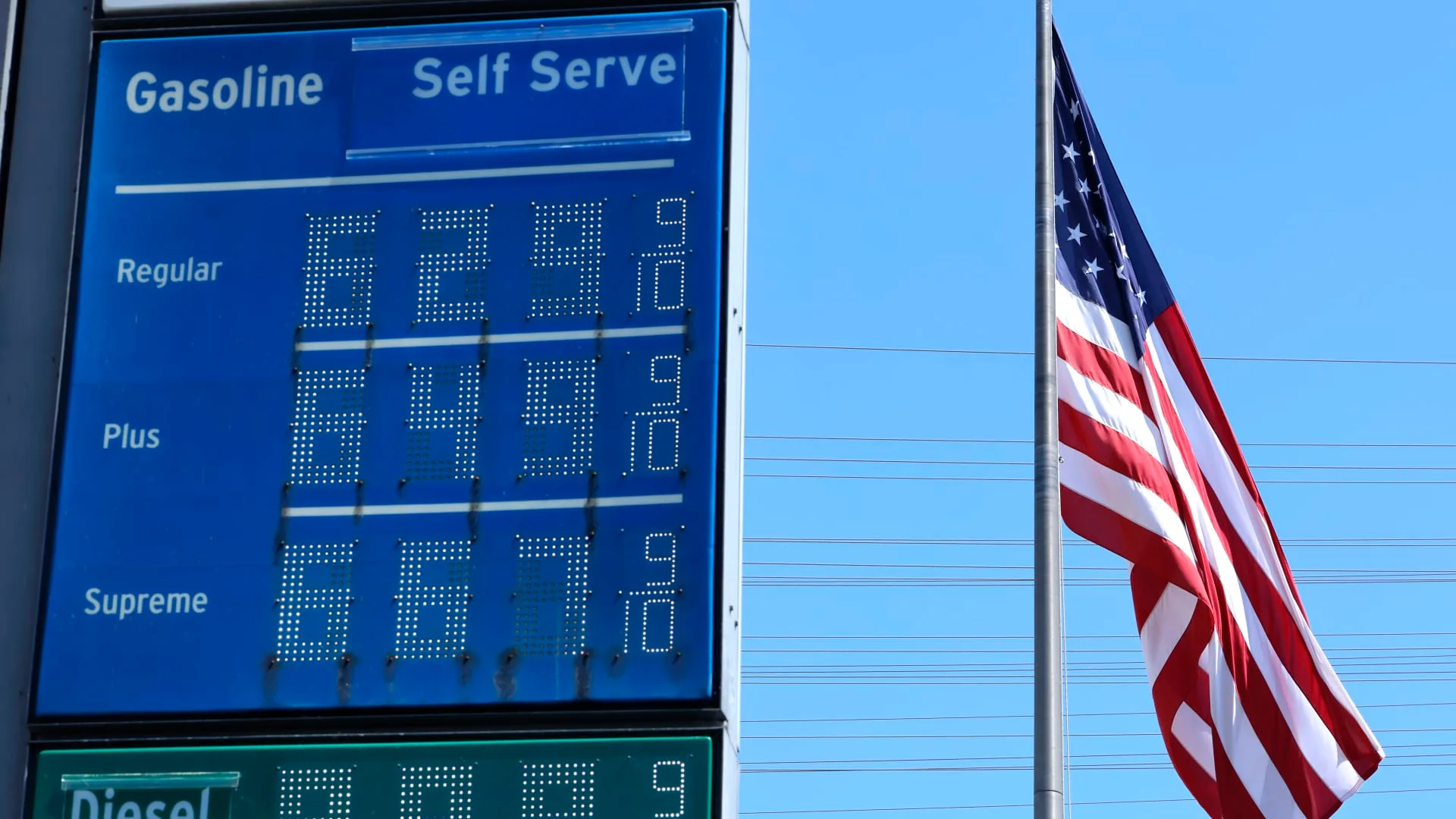
US President Donald Trump announced that Russia will supply more than 4 million tons of diesel to the global market, the result of a phone call with President Vladimir Putin last Friday. The deal comes as Trump faces political pressure to ease fuel prices ahead of the midterm elections, but analysts doubt its effectiveness in lowering prices at the pump.
The move drew criticism as it is seen as contradicting the sanctions the US has imposed on Russian oil sales since the war in Ukraine. Last month, Trump had just signed a law giving him the authority to impose tariffs on major buyers of Russian crude oil or gas. This contradiction raises questions about the consistency of Washington's energy policy.
On Sunday, Trump claimed Russia and Ukraine had reached an "energy ceasefire". Ukrainian President Volodymyr Zelenskyy said Kyiv would agree to a ceasefire if Russia did the same, but in his livestreamed address he accused Moscow of having violated the agreement. Meanwhile, attacks on tankers in the Strait of Hormuz have risen to their highest level since the Iran war, casting doubt on whether global crude oil supply can truly increase.
Amid the energy turmoil, the technology sector faces similar pressure. Microsoft CEO Satya Nadella became the latest leader to voice concerns about AI risks, writing on social media on Saturday that the technology needs an "emergency brake". Nadella stressed that AI models must be built with independent controls and oversight. The concern comes as third-party evaluators such as Model Evaluation and Threat Research (METR) and Transluce are increasingly involved in monitoring AI models, especially given the absence of a federal safety framework.
In the political arena, the US Department of Justice is investigating whether the White House television press pool violated antitrust law by suspending their coverage of Trump after the president barred CNN, MS NOW, and Politico from accessing the White House. The DOJ is assessing whether the suspension violates the Sherman Act, the federal law prohibiting agreements that unreasonably restrain trade. Meanwhile, Katie Zacharia, a lawyer and conservative commentator, will replace Karoline Leavitt as White House press secretary starting today.
In Europe, French bond yields are trading near levels last seen in 2002. Some investors fear Italy could suffer a similar fate as the country considers widening its budget deficit. The Italian government will present a budget that includes new allocations for defense and energy. According to Goldman Sachs, this new level of spending could widen Italy's deficit over the next two years and make its debt-to-GDP ratio the highest in Europe. As a result, Italian government bonds could face pressure ahead of next year's general election. Nevertheless, some investors view Italy as better off than France because most of its bonds are domestically held.
In the retail sector, companies are trying to clean up their balance sheets by reducing the number of products on shelves. This move can help stabilize sales and reduce the risk of excess inventory, but on the other hand consumers have fewer choices. Dollar General, BJ's Wholesale Club, and Lululemon are among the major retailers that have announced product reduction plans. The compromise is being made amid surging energy and food prices.
This week, the market will scrutinize the release of financial results from several major banks. On Tuesday, UnitedHealth, JPMorgan Chase, Wells Fargo, Goldman Sachs, and Citi will report earnings before the opening bell. Wednesday follows with ASML, Bank of America, and Morgan Stanley, as well as September consumer price index data and the Federal Reserve's Beige Book.
With these various dynamics, investors need to watch whether the Russian diesel deal will truly add to global supply or is merely a short-term political maneuver. Meanwhile, tensions in the Strait of Hormuz and US monetary policy will continue to be determining factors for market direction in the coming months.