FAA Warns US Airlines: Security Risk of Flying in Saudi Arabia Rises
Baca dalam 60 detik
- FAA mengeluarkan peringatan keamanan penerbangan bagi maskapai AS di sekitar Arab Saudi setelah serangan terhadap Bandara King Khalid.
- Delta Air Lines masih belum memutuskan kelanjutan penerbangan perdana Atlanta–Riyadh yang dijadwalkan 23 Oktober mendatang.
- Penutupan bandara dan eskalasi konflik berpotensi mengganggu rute penerbangan internasional serta menambah tekanan biaya operasional maskapai.

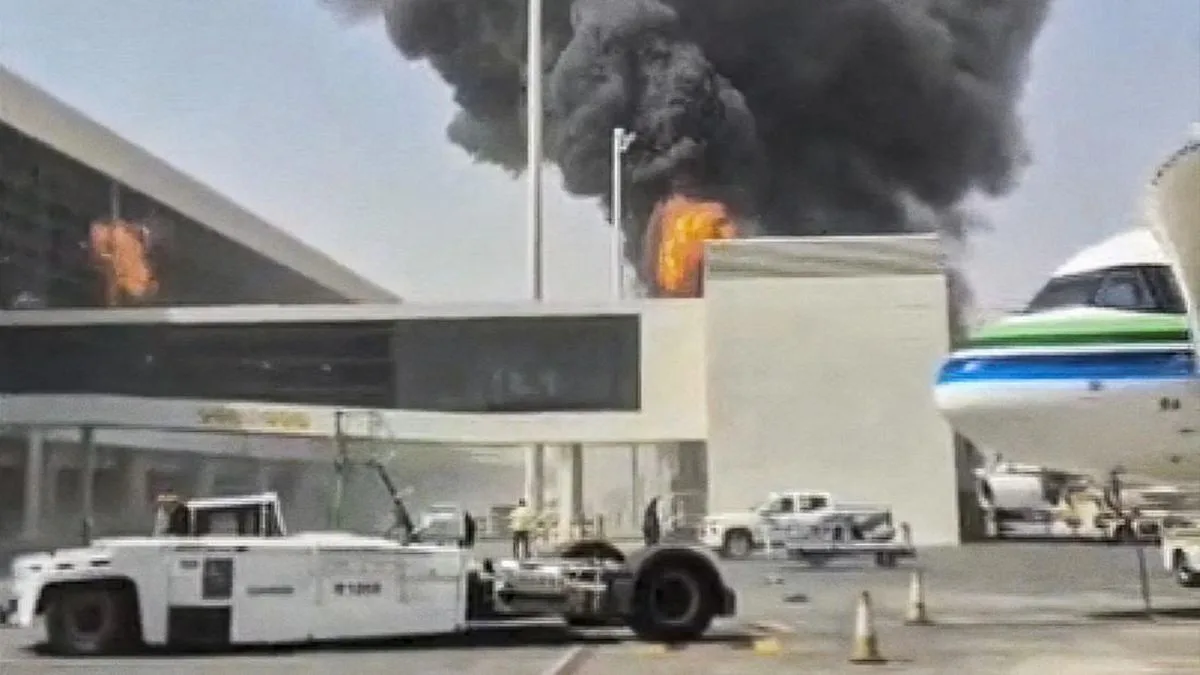
The United States Federal Aviation Administration (FAA) has instructed US airlines to exercise caution when crossing or approaching Saudi Arabian airspace. The warning follows an attack claimed by the Iran-backed Houthi group that crippled King Khalid International Airport in Riyadh, killing at least 12 people and injuring more than 300 others.
The Saudi capital's main airport remained closed until Monday (12/10/2026) local time, forcing several airlines to suspend flights, some through the weekend. The attack culminated last Saturday when a projectile struck a passenger terminal. The United States, Australia, and several other countries have issued advisories urging their citizens to postpone travel to the region.
In its official statement, the FAA stressed that pilots must be vigilant about "flight safety risks associated with ongoing military activity" and navigation system disruptions. The agency assessed that the threat could endanger aircraft at all altitudes. The warning is in effect until 10 December 2026.
Although most US airlines do not serve routes to Saudi Arabia, the warning is a blow to Delta Air Lines, which is preparing to launch its inaugural nonstop flight from Atlanta to Riyadh on 23 October. Delta CEO Ed Bastian, in an interview before Saturday's attack, stressed that "safety will be the deciding factor" in whether the flight continues to operate as scheduled. As of Sunday night, Delta had not changed its plans, according to a company spokesperson.
"Safety will be the deciding factor," said Delta CEO Ed Bastian, as quoted by CNBC, before the attack occurred.
Delta's decision is in the spotlight because this route marks the airline's first expansion step into the Middle East, a region long dominated by Gulf carriers such as Emirates, Qatar Airways, and Etihad. If Delta delays or cancels the flight, it would not only affect its international growth ambitions but also signal that geopolitical risk in the region remains too high for a US operator.
For Indonesia, this escalation could affect hajj and umrah flight routes, many of which cross or transit through Saudi Arabia. National carriers such as Garuda Indonesia and Lion Air Group need to monitor security developments, especially ahead of the year-end umrah season. The Ministry of Transportation and the Ministry of Foreign Affairs are expected to coordinate promptly to ensure the safety of both charter and regular flights carrying Indonesian pilgrims.
More broadly, tensions in the Middle East often trigger increases in aviation insurance premiums and fuel costs due to oil price fluctuations. Airlines flying through conflict zones must bear additional operational costs, which can ultimately be passed on to passengers through higher fares. The situation also has the potential to disrupt global flight schedules, as many Europe–Asia routes cross Saudi Arabian airspace.
The question now is whether the FAA warning will be enough to make US airlines hold back, or whether it will instead trigger permanent route adjustments that reshape the international aviation map. Over the next week, Delta's decision and the response of other airlines will be an indicator of how seriously this conflict affects the global aviation industry.