UK PM Admits Russian Interference in Brexit, Downing Street Insists Result Remains Valid
Baca dalam 60 detik
- Perdana Menteri Inggris menyatakan keyakinannya bahwa Rusia mencoba campur tangan dalam referendum Brexit 2016, namun menegaskan hasilnya tetap legitimate.
- Pernyataan ini memicu reaksi keras dari pendukung Brexit, termasuk Nigel Farage yang menyebut PM sebagai pembohong.
- Downing Street menegaskan bahwa meskipun ada upaya intervensi, hal itu tidak mempengaruhi hasil akhir, sementara oposisi menuntut transparansi lebih lanjut.
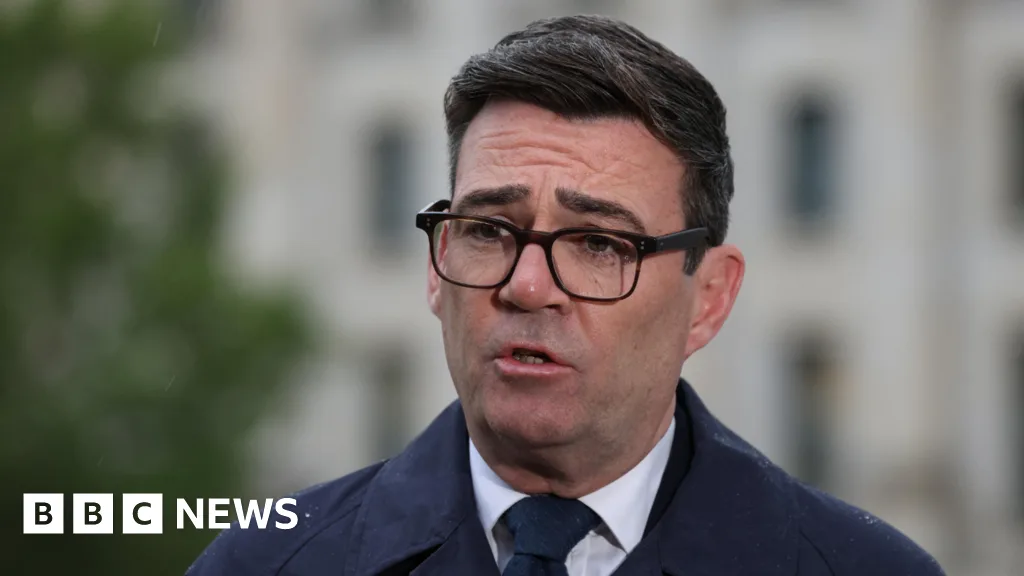
The UK Prime Minister unexpectedly revealed that he believes there was an attempt at Russian interference in the 2016 Brexit referendum. However, Downing Street firmly stated that the referendum result is still considered valid and unaffected by foreign interference. The statement emerged after the PM mentioned that he had received information indicating Russian involvement.
In an interview with the podcast The Rest is Politics, the PM admitted that when he first took office, he immediately asked whether there had been Russian interference in the Brexit vote. "I got a clear answer that yes, there was," he said. He also highlighted that disinformation originating from Russia targeted not only the UK but also reached into German politics. According to him, the government had been too defensive and had not given the public enough understanding of disruptive efforts from abroad.
Harsh reaction came from Brexit supporter Nigel Farage, who accused the PM of being a liar. "There was no Russian interference—this is all a Russian hoax that keeps being pushed," he said. The Conservative Party, through shadow minister Katie Lam, judged that the PM's statement risked casting doubt on a vote that was assessed as having been conducted professionally and independently. Lam even suspected the PM deliberately questioned the legitimacy of Brexit to justify his efforts to move closer to the European Union.
On the other side, Liberal Democrat leader Sir Ed Davey gave full support. "This statement did need to be made by a prime minister. After years of the truth being covered up by the Conservatives, this is a brave act," he wrote on social media. Foreign Office Minister Stephen Doughty, though reluctant to detail the form of interference, stressed that Russia did seek to interfere in a number of democratic events.
"It is impossible that Russia would not have tried to exploit the referendum for their advantage," said a Downing Street spokesperson.
The issue of Russian interference in UK politics is not new. In 2017, former Foreign Secretary Boris Johnson, when asked whether there was evidence of successful Russian interference, answered briefly: "Nyet, not a sausage." However, a 2020 parliamentary report criticized the government for allegedly deliberately avoiding the search for evidence of interference. The report's chair, Stewart Hosie, accused the government of "actively avoiding" an investigation.
The UK government earlier this year released an independent review on foreign influence that concluded there had been efforts to "sow distrust and deepen divisions in British society with the ultimate aim of shaking confidence in democracy." The report's author, Sir Philip Rycroft, judged it difficult to measure the impact of those efforts, but warned that although there was no immediate crisis, "there is no guarantee this will hold."
This controversy highlights the vulnerability of modern democracy to foreign information operations. For Indonesia, which also faces similar challenges in safeguarding election integrity, this case is a mirror of the importance of strengthening digital literacy and oversight of cross-border disinformation. The question now is how far the UK government will thoroughly investigate these allegations of interference without destabilizing the political stability that has already been built?