Riyadh Airport Attacked, Global Flights at Risk
Baca dalam 60 detik
- Serangan drone dan rudal Houthi ke Bandara King Khalid menewaskan 13 orang dan melukai ratusan lainnya, memaksa penangguhan operasional.
- Sejumlah negara mengeluarkan peringatan perjalanan ke Arab Saudi, sementara Iran menyatakan kesediaan membuka dialog dengan Riyadh dan Yaman.
- Ketegangan di Selat Hormuz dan respons AS terhadap proposal Iran menjadi penentu arah konflik dan stabilitas pasokan energi global.
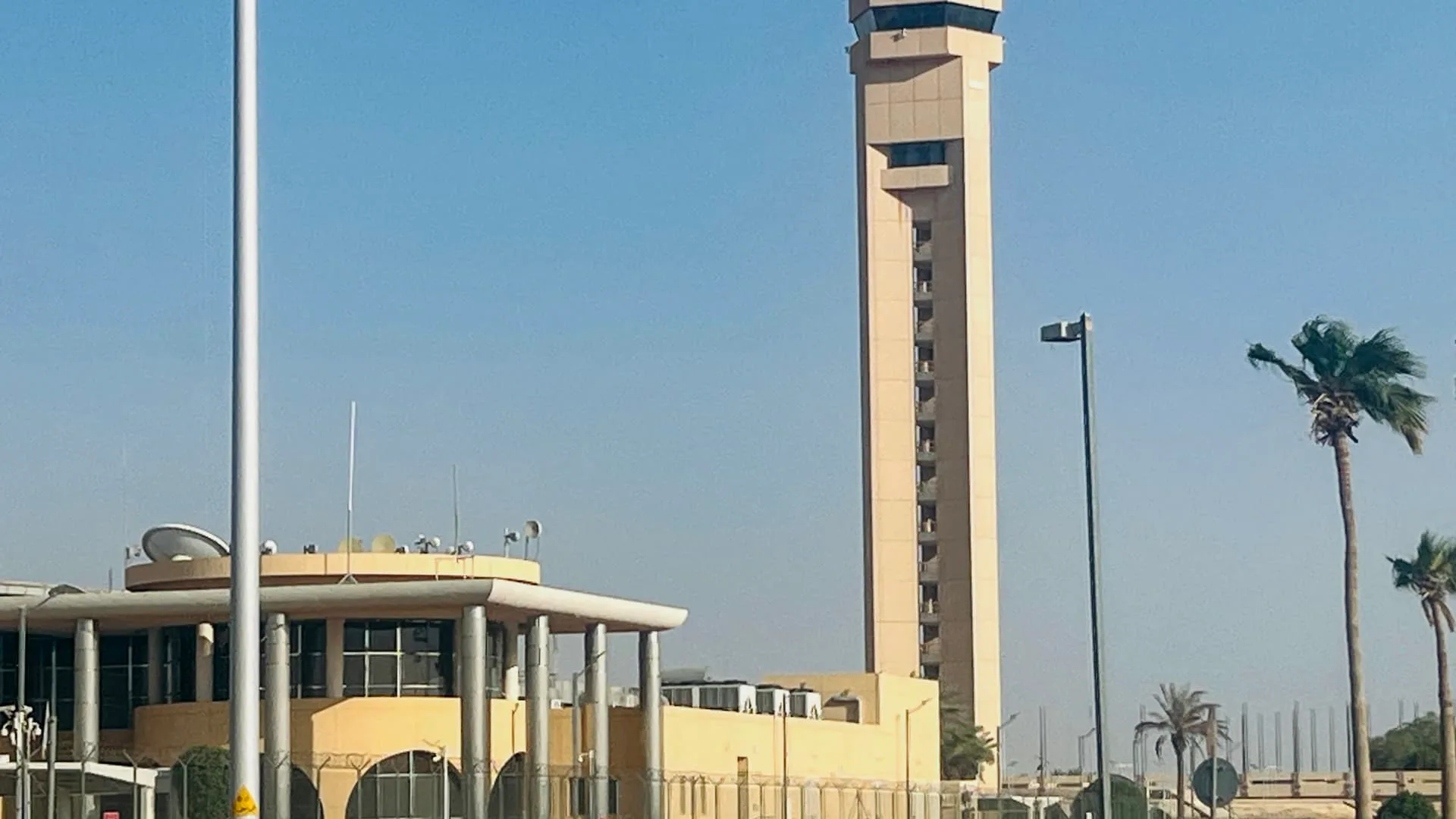
Air strikes launched by the Iran-backed Houthi militia on King Khalid International Airport in Riyadh have killed at least 13 people and wounded more than 300 others over the past week. Saudi aviation authorities have extended the suspension of airport operations, while a wave of travel warnings from various countries adds international pressure on the Kingdom.
The deadliest attack occurred last Saturday, killing 12 people and wounding more than 300. A day later, one person was killed and more than a dozen others were wounded in a follow-up attack. The Houthis claimed responsibility for the action, raising serious questions about the effectiveness of Saudi air defense systems even though the country is known as one of the world's largest buyers of military hardware.
Australia, New Zealand, the United Kingdom, the United States, Canada, France, Germany, and Japan are among the countries that have warned their citizens against traveling to Saudi Arabia, particularly to Riyadh airport and other major destinations. The warnings come as the Kingdom hosts a number of prestigious corporate conferences, such as the World Petroleum Congress, the International Energy Forum Ministerial Meeting, and the Future Investment Initiative—events that are a magnet for investment and Riyadh's economic diplomacy.
US President Donald Trump said on Sunday that his country "may" join Saudi Arabia in retaliating against the Houthi attacks. The statement widens the spectrum of military escalation in the region, although Washington has not decided on concrete steps. Meanwhile, Iranian Foreign Minister Abbas Araghchi, in a phone call with Saudi Foreign Minister Prince Faisal bin Farhan Al Saud, said Tehran was ready to take steps to start a dialogue between Riyadh and Yemen, where the Houthis are based.
Iranian Foreign Ministry spokesman Esmaeil Baghaei said Iran was still reviewing the US response to its proposal to reopen the Strait of Hormuz and would reply through intermediaries. The Strait of Hormuz is a strategic shipping lane through which about one-fifth of the world's oil supply passes, so any tension there directly affects global energy prices.
"We are still studying the American answer and will convey it through the mediation channel," Baghaei said, as quoted by Reuters, indicating that closed-door diplomacy is still underway amid military tensions.
For Indonesia, the escalation in the Middle East is not merely distant news. As a crude oil importer, Indonesia is vulnerable to a surge in world oil prices if the conflict spreads to the Strait of Hormuz. The government needs to anticipate the impact on energy subsidies and inflation, especially when the rupiah exchange rate remains vulnerable to external shocks. In addition, many Indonesian workers (TKI) work in Saudi Arabia and the Gulf region, so their safety is a direct concern.
Travel warnings could also disrupt umrah and hajj flight schedules, which are among the main routes for Indonesian airlines. If Riyadh airport remains closed for a long time, flight operating costs could rise and affect ticket prices. On the other hand, this tension could accelerate the domestic energy transition, although in the short term dependence on fossil fuels will still be difficult to avoid.
Going forward, market attention will focus on two things: whether the US is truly involved in military operations against the Houthis, and whether Iran is serious about opening a diplomatic channel. If both fail, the risk of open war in the Gulf region will increase, with major consequences for the global economy. Conversely, if the Riyadh-Yemen dialogue materializes, there is an opportunity to ease tensions—though with no guarantee the Houthis will stop their attacks. The world awaits the next move from Washington and Tehran.