EU Caps Chinese Hybrid Car Imports at 350,000 Units per Year as Trade War Heats Up
Baca dalam 60 detik
- Uni Eropa resmi memberlakukan kuota impor kendaraan hybrid dari China maksimal 350.000 unit per tahun mulai Desember 2026.
- Kebijakan ini diprediksi memangkas pangsa pasar China di Eropa dari 6% menjadi 3%, dengan nilai ekspor hybrid China ke Eropa melonjak tiga kali lipat menjadi €6,7 miliar pada semester I-2026.
- Langkah ini menandai pergeseran strategi Brussels dari mendorong ekspor menjadi membendung impor, memicu kekhawatiran deindustrialisasi dan potensi respons balik dari Beijing.
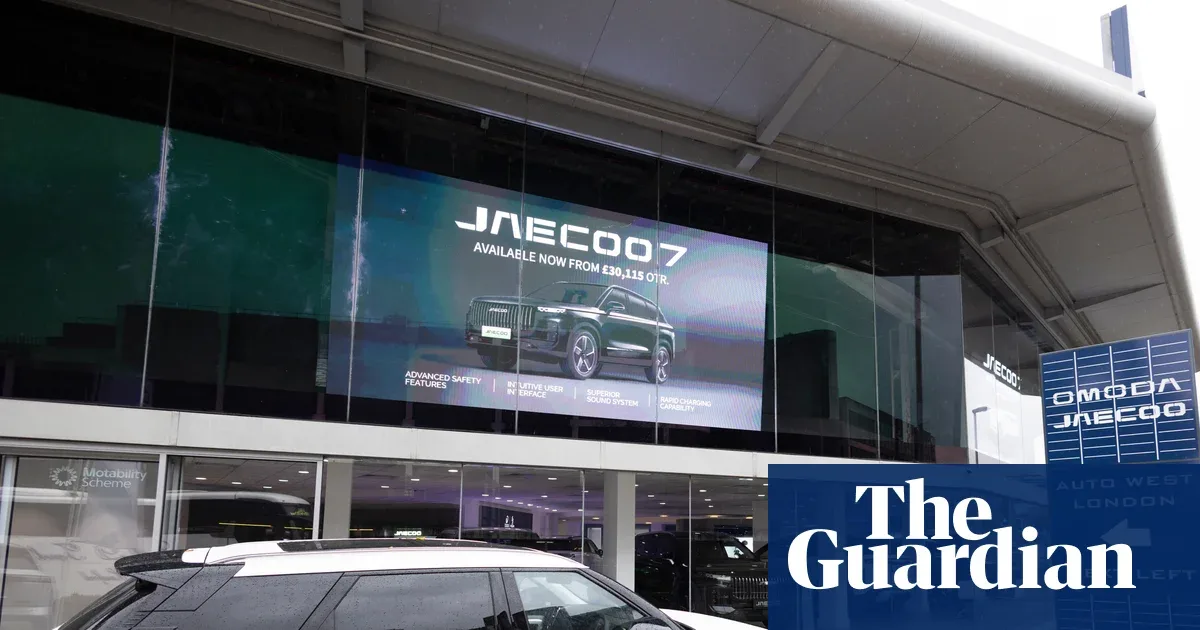
The European Union has officially set a cap on imports of hybrid vehicles from China at 350,000 units per year, a decision that will take effect in December 2026. The landmark agreement was reached at a meeting in Beijing last week and is expected to cut China's car market share in Europe from the current 6% to just 3%.
Brussels took this step by invoking the World Trade Organization (WTO) safeguard rules, which allow for the rapid imposition of quotas without the lengthy investigation required for anti-dumping measures. Cars imported above the quota will not face additional tariffs, but will be held at European ports pending further decisions.
The decision comes amid growing concerns over the EU's trade deficit with China, which stands at £1 billion per day. Until recently, the EU's strategy for addressing what it deemed an unsustainable trade imbalance was to boost exports to China. However, sources say there has been a paradigm shift, with fears of deindustrialization and job losses in core industrial regions forcing a new focus on import restrictions.
As part of the agreement, China also agreed to remove some tariffs on automotive parts and halve duties on footwear, olive oil, and ice cream from the European Union. EU officials stressed that the quota is fully supported by China, and further dialogue on cars and other products such as chemicals, renewable energy, and furniture will continue.
"We will continue the dialogue on several products ... this is by no means the end of the story," an EU official said.
Chinese vehicles assembled within the EU, such as those produced in Hungary or later in Spain, will not be subject to this quota. However, European companies that manufacture cars in China will still be affected by the restrictions. The policy has also drawn support from the Volkswagen boss, who backs the EU's plan to strengthen domestic industry.
Last month, the EU sought input on new rules that could require companies to diversify their supply chains, while 'Made in Europe' legislation will do the same in public procurement. Next Thursday, EU leaders will discuss a French-German proposal for a 'kill switch' or a new instrument that would allow Brussels to block access to the single market for certain goods in the event of adverse developments, such as an export ban on rare earths crucial to the technology and automotive industries.
For Indonesia, this policy could be both an opportunity and a challenge. On one hand, national automotive manufacturers and ASEAN countries can tap into the market gap left by China in Europe, especially for hybrid and electric vehicles. On the other hand, Indonesia needs to be wary of a potential diversion of Chinese exports to the Southeast Asian market, which could flood the domestic market and pressure local industry. The Indonesian government is urged to accelerate the development of the electric vehicle ecosystem and strengthen trade policy so as not to become a victim of the overflow of products that fail to enter Europe.
With the quota's implementation just months away, the big question is whether this protectionist move will truly save the European automotive industry or instead trigger a broader trade war. Beijing may have agreed to this quota, but if their exports continue to be hampered, it is not impossible that China will aggressively seek alternative markets, including in Southeast Asia. The European Union now stands at a crossroads between protecting domestic industry and maintaining stable trade relations with its largest partner.