UK Heat Pump Subsidy Funds Cut to Pay for Defence Budget
Baca dalam 60 detik
- Pemerintah Inggris berencana memotong anggaran skema boiler upgrade senilai ratusan juta poundsterling untuk membiayai peningkatan belanja pertahanan.
- Langkah ini dikhawatirkan menghambat pertumbuhan industri pompa panas dalam negeri yang sedang berkembang pesat.
- Kebijakan ini juga menimbulkan pertanyaan tentang komitmen Inggris terhadap transisi energi hijau di tengah krisis iklim.
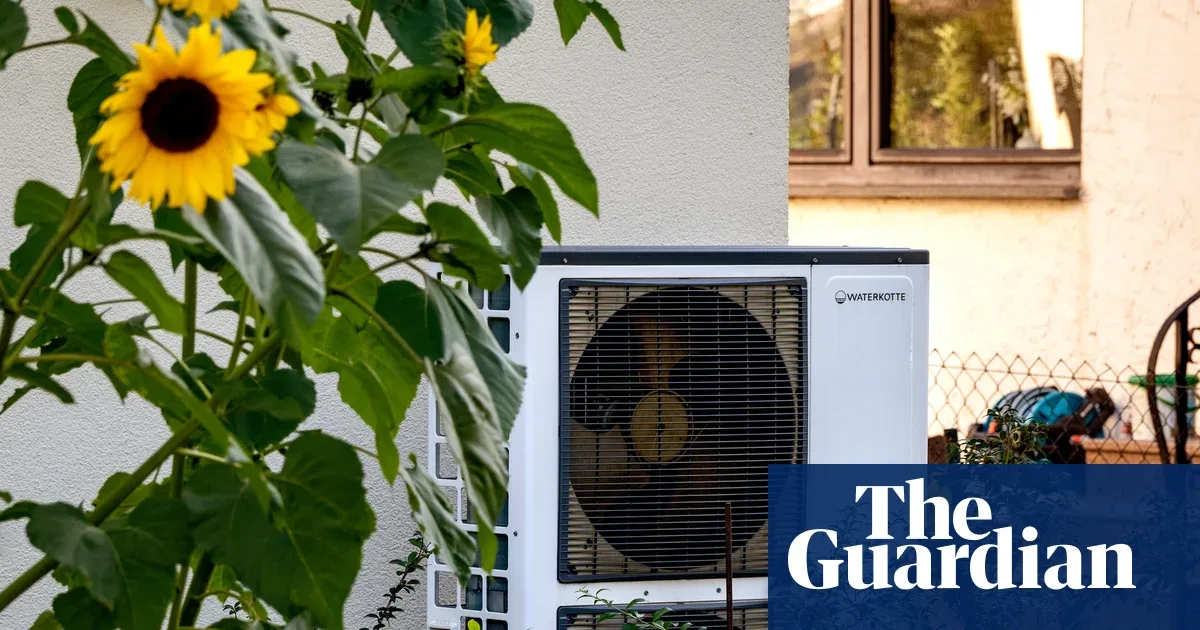
The UK government is preparing to cut subsidies for heat pumps as it tries to cover swelling defence budget needs. Sources cited by The Guardian say Energy Minister Miatta Fahnbulleh has been tasked with finding more than £2 billion in savings from her department's budget, most of which will come from the boiler upgrade scheme (BUS) for England and Wales.
The scheme, which provides grants of up to £9,000 per household to switch from gas boilers to electric heat pumps, will see cuts of hundreds of millions of pounds from its total £2.7 billion budget. Although it will not be abolished entirely, the cuts are feared to slow the energy transition and hurt the fledgling heat pump industry.
The decision is part of a plan drawn up by the previous government, in which former Prime Minister Keir Starmer sought funds to raise defence spending by £15 billion over four years. Former Energy Minister Ed Miliband approved a £2 billion cut to the energy department's capital budget to support the Defence Investment Plan (Dip).
Criticism has followed. Madeleine Gabriel of the charity Nesta called the cuts nonsensical because reliance on gas is the root of the energy crisis. "It's like kicking the companies and tradespeople who have invested in building an industry," she said. Similarly, Octopus Energy CEO Greg Jackson stressed that the scheme had succeeded in bringing the cost of installing a heat pump down to parity with a gas boiler after subsidies. "The market is taking off. Killing the engine now would be very damaging," he added.
The government argues that the defence savings are only a small part of the energy department's budget, which has risen significantly overall. A spokesperson for the Department for Energy Security and Net Zero said it would set out national security investment funding in the autumn. However, the decision is also overshadowed by plans to grant permission for the Jackdaw gas field, which contrasts with the climate agenda.
"Cleaner heat does not yet mean cheaper heat. Electrifying heat without fixing electricity prices risks burdening households, not saving them money," wrote Dale Vince, an energy entrepreneur and Labour Party donor.
For Indonesia, this policy mirrors how budget priorities often sacrifice energy transition programmes. Indonesia itself is pushing its energy transition with a target of 23% renewable energy in the mix by 2025, but still faces financing challenges. Cuts to clean energy subsidies in developed countries could set a bad precedent for global climate commitments, while also calling into question these countries' consistency in supporting environmentally friendly technology.
Looking ahead, will these cuts hamper the UK's ability to meet its climate targets, or will they force innovation so that heat pumps become more affordable without subsidies? Either way, the tug-of-war between defence needs and the green agenda will remain a budget policy dilemma in many countries.