US Plans Televised Execution, World Condemns: 'Barbaric' and 'Medieval'
Baca dalam 60 detik
- Pentagon memastikan eksekusi Nidal Malik Hasan, pembunuh 13 orang di Fort Hood 2009, akan disiarkan langsung pada 3 Desember 2026.
- Rencana ini menuai kutukan global dari PBB, politisi, pemimpin agama, dan aktivis HAM yang menilai siaran eksekusi melanggar hukum internasional.
- Kasus ini memicu perdebatan baru tentang hukuman mati di AS dan berpotensi menjadi preseden buruk bagi transparansi peradilan di seluruh dunia.
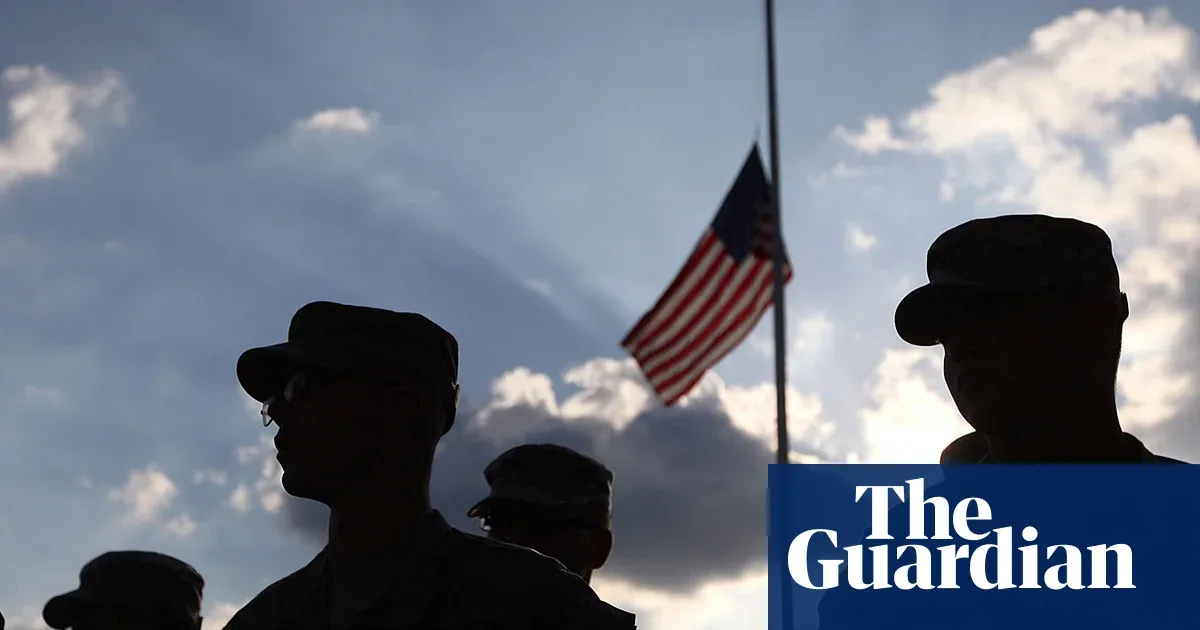
The United States government under President Donald Trump has confirmed it will execute Nidal Malik Hasan, convicted of killing 13 people at the Fort Hood military base in Texas in 2009, by firing squad and broadcast it live via digital platforms on December 3, 2026. The decision immediately triggered a wave of international condemnation, with many calling it a barbaric move that puts the US on par with authoritarian regimes.
The UN Office of the High Commissioner for Human Rights warned that broadcasting an execution publicly amounts to violating the absolute prohibition of torture. "This is not just about the death penalty, but also about treating a human being as a spectacle," a UN spokesperson said, as quoted from Geneva. Criticism also came from within the US, including from former Secretary of State Hillary Clinton, who called the idea "barbaric and beneath the dignity of the nation".
Democratic Congresswoman Yassamin Ansari sharply condemned the plan. "In Trump's America, we now carry out public executions. This is what happens under brutal dictators like Iran and Afghanistan," she wrote on social media. Meanwhile, UK Equalities Minister Bridget Phillipson said the concept was "quite disturbing", though she stressed that the decision was a matter for the US government.
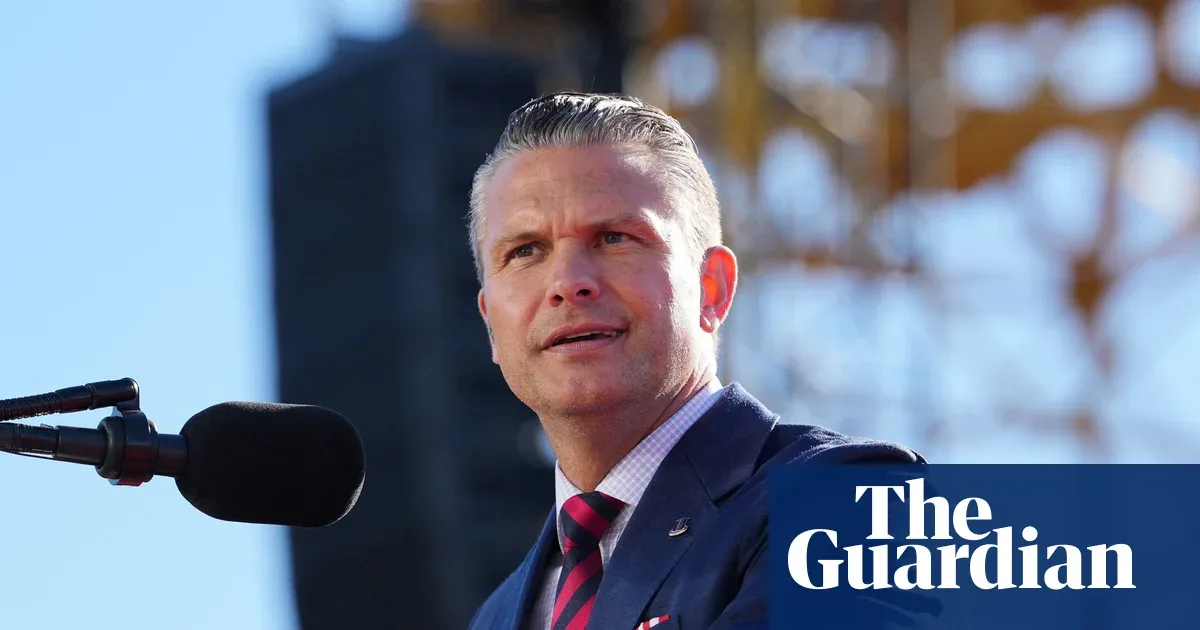
Defense Secretary Pete Hegseth, who fully supports the plan, said the public needs to witness the serious consequences of such crimes. "No matter what the controversy, we will see it on December 3," he told conservative broadcaster Real America's Voice. Vice President JD Vance, who describes himself as a practicing Catholic, said he would not watch the broadcast, but was reluctant to criticize the administration's decision. "I hope people don't forget that he killed a lot of innocent people," he said.
Hasan, now 56 years old and using a wheelchair due to gunshot wounds sustained during his arrest, was an army psychiatrist who opened fire at the Fort Hood medical facility on November 5, 2009. The attack killed 12 soldiers and one civilian, and wounded 30 others. His execution is predicted to be an unprecedented global spectacle, as no other country is known to broadcast an official execution live.
"Broadcasting a firing squad execution only adds to the cruelty of the death penalty and prolongs the cycle of violence that should be stopped," said Justin Mazzola of Amnesty International USA.
Legal experts are questioning whether the live broadcast can be challenged in court. Eugene Fidell of Yale Law School said Hasan could potentially file a lawsuit to prevent the broadcast of his death. Meanwhile, Elisabeth Semel of UC Berkeley said the announcement raises serious questions about the dignity of the condemned and the government's motives. "This is a president who loves spectacle, and that is the message he wants to send," she told the Associated Press.
On the other hand, some argue that public access could increase transparency in the death penalty, especially after the failed lethal injection execution of Christa Pike in Tennessee last week. Deborah Denno of Fordham University said a live broadcast could make the process more open. However, criticism still dominates, including from religious leaders such as Archbishop Paul Coakley, who called it "a barbaric promotion of a culture of death".
For Indonesia, this plan serves as an important mirror of how a country with strong democratic claims can slide into practices that contradict human rights. Indonesia itself still applies the death penalty, but it is always carried out behind closed doors and far from public scrutiny. If the US actually broadcasts an execution, international pressure on countries that still retain the death penalty could increase, or conversely, give authoritarian regimes justification to do the same.
The question now is: will this live broadcast actually happen, or will legal intervention and global pressure cancel it? What is clear is that a bad precedent is at stake, and the world is waiting for Washington's next move.