US Imposes New Sanctions on ICC, Rubio: We Don't Need That Court
Baca dalam 60 detik
- Pemerintahan Trump memperluas sanksi finansial terhadap Mahkamah Pidana Internasional (ICC), membekukan aset dan melarang transaksi dengan entitas yang terafiliasi.
- ICC menilai langkah ini sebagai upaya menghalangi proses hukum dan serangan terhadap fondasi tatanan hukum global.
- Sanksi memberi tenggat enam bulan bagi perusahaan atau individu AS untuk menghentikan kerja sama dengan ICC, sementara beberapa transaksi dikecualikan.

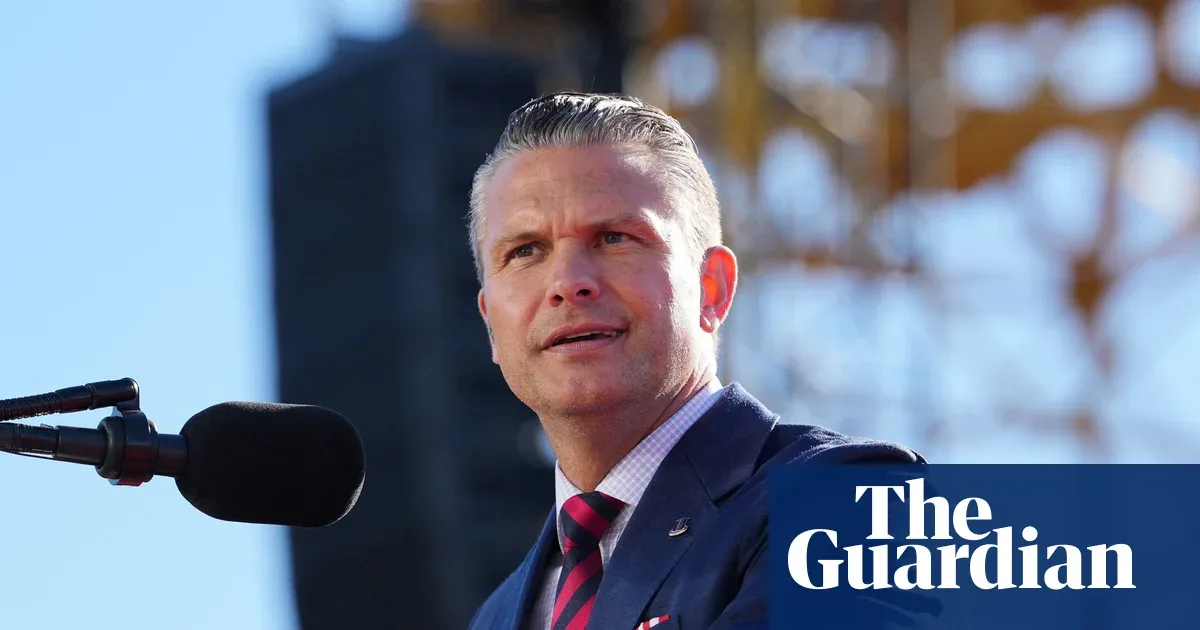
The administration of President Donald Trump has again escalated pressure on the International Criminal Court (ICC) by imposing new financial sanctions. US Secretary of State Marco Rubio, in a video statement on platform X, stressed that Washington will not allow the court to investigate Americans. “We will prohibit transactions with this rogue court, cut off its resources, and cripple its ability to operate against us,” Rubio said. He added, “We don't need that court and we don't want it.”
The move drew a sharp reaction from the ICC. In an official statement, the Hague-based court called the sanctions “an attempt to obstruct the course of justice” and “an attack on the rule of law and the foundations of the international legal order.” The ICC also warned that “history will judge this moment” and urged its member states to ensure the institution's continued functioning.
Since returning to office in 2025, Trump signed an executive order imposing sanctions on the ICC in response to investigations into Israeli officials and US military personnel. The previous administration under Joe Biden had briefly lifted similar sanctions. The latest escalation adds to a long list of US actions against the ICC, including sanctions against judges, prosecutors, and ICC President Tomoko Akane last August.
“This is an attempt to obstruct the legal process and prevent the Court from doing what is its mandate. This is an attack on the rule of law and the foundations of the international legal order.” — ICC Statement
For Indonesia, this US move presents a diplomatic dilemma. As a country that is not a party to the Rome Statute, Indonesia has historically been cautious toward the ICC. However, US pressure on multilateral institutions could strengthen the argument that developing countries need to reinforce an independent international legal architecture. The economic impact also cannot be ignored: Indonesian companies with business ties to European entities affiliated with the ICC may need to review their compliance with US sanctions, especially in cross-border financial transactions.
International law observers view Washington's move as a dangerous precedent. According to analysts, sanctions against an international judicial body can weaken the principle of global accountability and encourage other countries to disregard ICC rulings. Although the investigation into US soldiers in Afghanistan has been closed, the ICC is still investigating the situation in Palestine involving Israeli officials—one of the main triggers of US anger.
Going forward, can the ICC survive under US financial pressure, or will it become increasingly isolated? ICC member states, especially in Europe, are now faced with a difficult choice: maintain their commitment to international justice or avoid confrontation with Washington. Meanwhile, for Indonesia and other non-member countries, this moment could be an opportunity to push for a more inclusive reform of global legal governance.