Gerindra Urges Public to End Gibran Diploma Polemic: Legal Speculation Could Erode Investment Climate
Baca dalam 60 detik
- Partai Gerindra menyerukan penghentian perdebatan syarat pendidikan Gibran Rakabuming Raka pasca-putusan MK yang menolak gugatan PHPU.
- Juru bicara partai menilai spekulasi hukum berkelanjutan berpotensi menciptakan ketidakpastian yang merugikan ekonomi dan investasi.
- MK menyatakan para pemohon tidak memiliki kedudukan hukum, namun majelis mengakui tidak menemukan dokumen ijazah setara SMA milik Gibran.
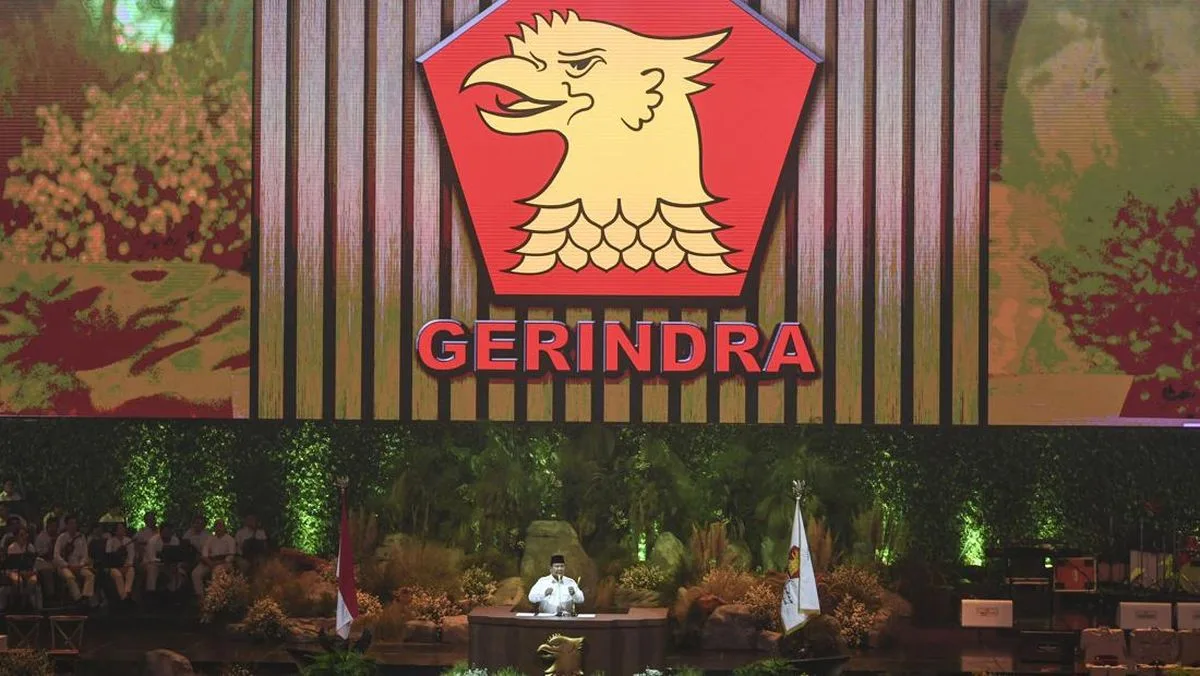
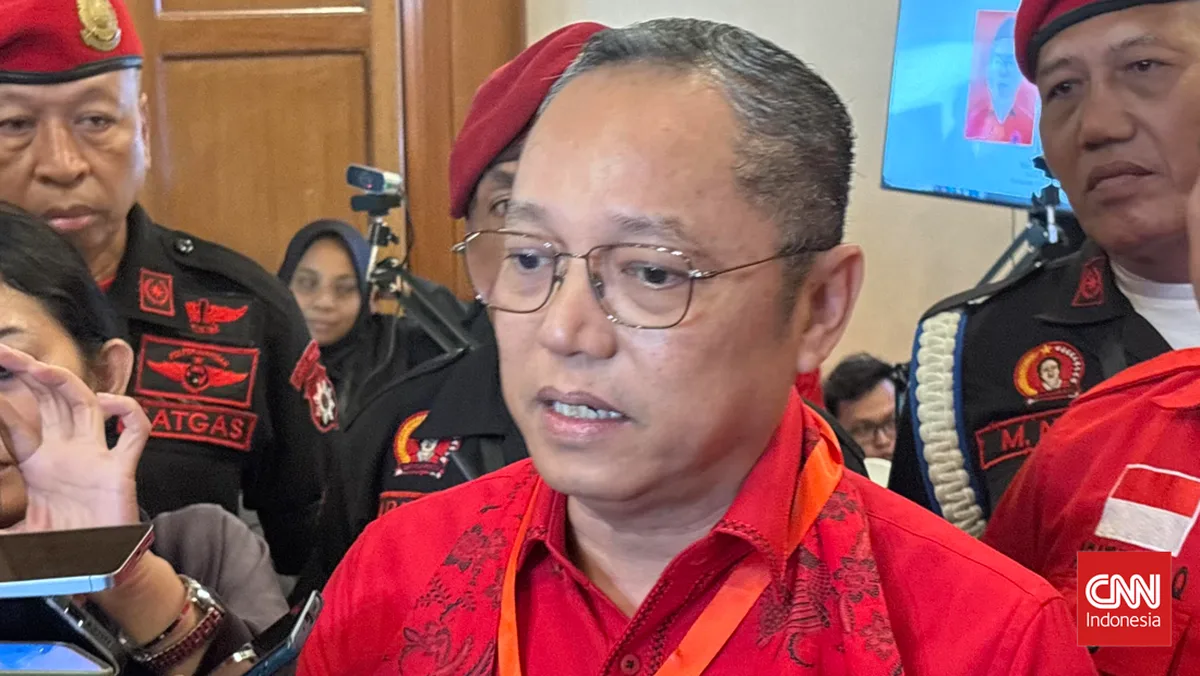
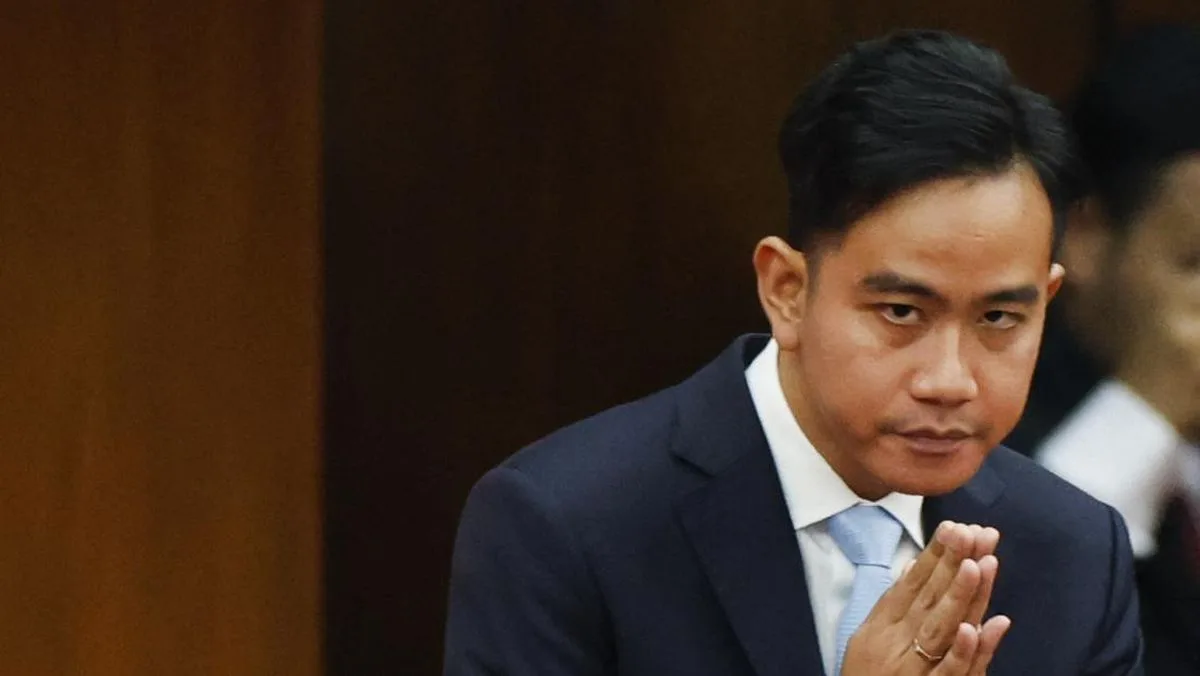
The Gerindra Party has called on all elements of the nation to end the polemic over the educational qualifications of Vice President Gibran Rakabuming Raka after the Constitutional Court rejected the election results dispute (PHPU) lawsuit questioning his status. The appeal was made by Gerindra spokesperson Sugiat Santoso on Wednesday (7/10), a day after the ruling was read out.
Sugiat stressed that prolonged debate over Gibran's position after his inauguration would only trigger legal uncertainty. According to him, such a condition could directly affect the business climate and investor confidence. "Speculation and legal discourse that keeps stirring polemics over the position of the Vice President of the Republic of Indonesia after his inauguration risks creating legal uncertainty," he said.
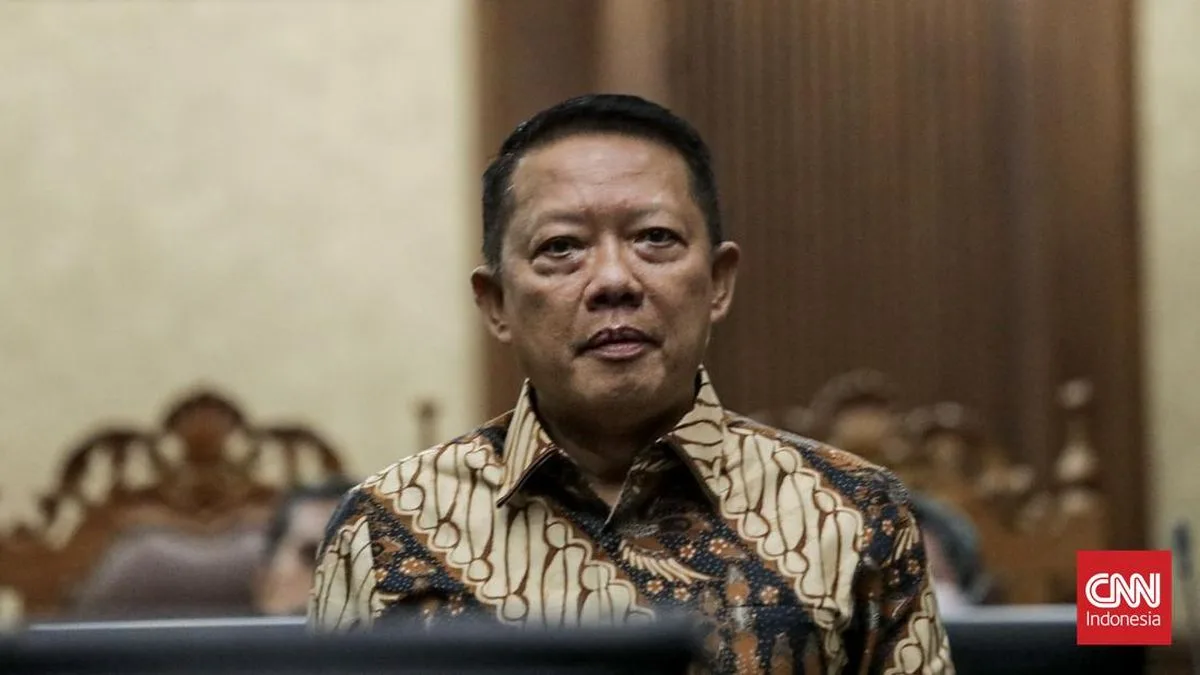
The statement came after the Constitutional Court read out its ruling on case number 01/PHPU.PRES-XXIV/2026 on Tuesday (6/10) evening. The panel of constitutional justices declared that the petitioners lacked legal standing and had no authority to disqualify Gibran as Vice President. The petitioners comprised the Independent Committee for Election Monitoring (KIPP), Partai Ummat, former Deputy Minister of Law and Human Rights Denny Indrayana, and a number of citizens grouped in the Forum Purnawirawan Prajurit TNI, including M Subhan, Bonatua Silalahi, and Tiurma M.S. Sihombing.
Interestingly, although it rejected the lawsuit, the Constitutional Court in its considerations revealed the fact that no document showed Gibran held a high school-equivalent diploma. This finding has instead become an opening for the public to keep questioning the transparency of the candidacy requirements, even though legally the dispute process has ended. Sugiat argued that the PHPU mechanism was designed to test vote acquisition, not to annul the status of an official who has been sworn in.
"The PHPU mechanism is designed to test vote acquisition during the election period, not as a means to annul the status of a public official who has taken the oath of office and is running the government," Sugiat said.
From a political standpoint, Gerindra's stance reflects an effort by a party supporting the government to calm turbulence after the ruling. Sugiat, who is also Deputy Chairman of House Commission XIII, said political maturity is tested by the ability of all parties to move on and channel critical energy through policy oversight channels. He stressed the importance of placing national stability above group interests.
However, the appeal does not necessarily close the space for public discourse. A number of quarters consider the Constitutional Court's finding on the absence of a diploma document remains an important note for the integrity of the candidacy process. The question is whether the government and election organizers will take corrective steps to clarify the educational requirements for candidates in the future, or instead let this issue settle without a substantive resolution?
What is clear is that the Constitutional Court's decision has ended the legal dispute, but it has not erased public curiosity. For markets and investors, Gerindra's message on the importance of legal certainty deserves attention. Political stability is indeed a prerequisite for growth, but transparency and accountability remain the foundation of long-term trust.