Police Chief Replaced in Under 24 Hours: Is It Legally Valid?
Baca dalam 60 detik
- Presiden Prabowo mengirim Surpres ke DPR pada 30 September 2026, dan sehari kemudian Suyudi Ario Seto sudah dilantik sebagai Kapolri.
- Pasal 11 UU Kepolisian mensyaratkan persetujuan DPR paling lambat 20 hari, tetapi tidak mengatur batas minimal, sehingga akselerasi ini tetap legal.
- Publik menanti apakah DPR dan pemerintah akan memperjelas mekanisme agar transisi pucuk pimpinan Polri tidak menimbulkan spekulasi politik.
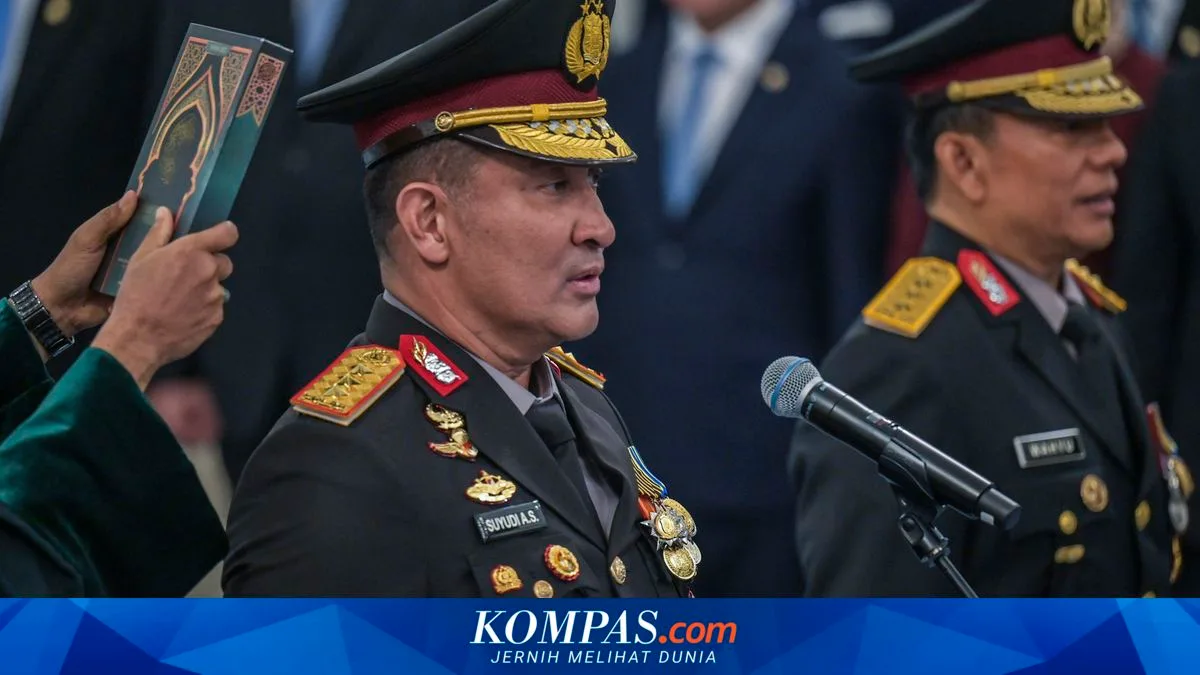
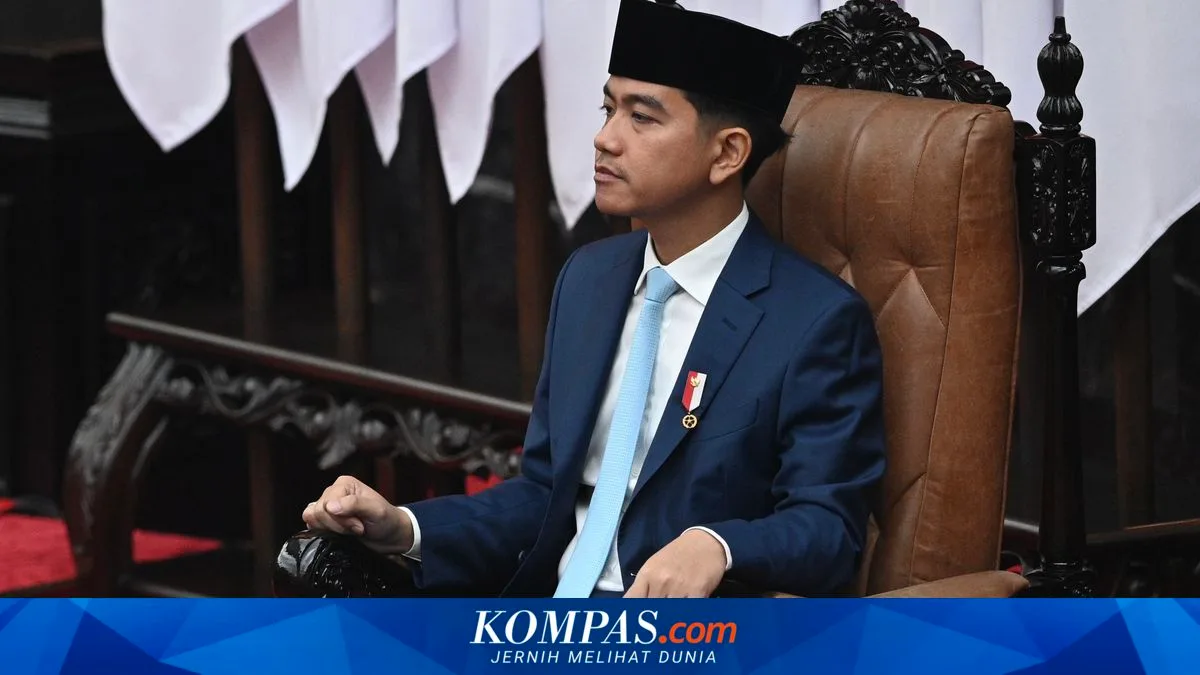
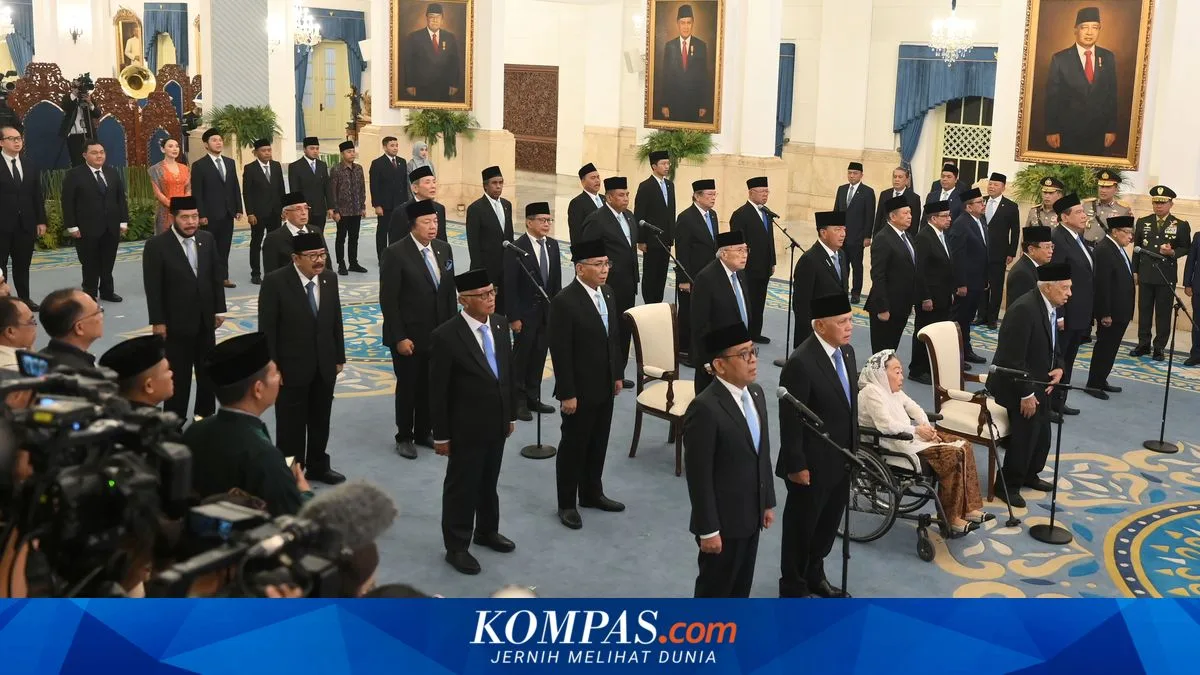
The position of Chief of the Indonesian National Police (Kapolri) officially changed hands in a matter of hours. President Prabowo Subianto sent Presidential Letter (Surpres) Number R57/Pres/09/2026 to the DPR on 30 September 2026, and the next day, 1 October 2026, Gen. Suyudi Ario Seto was already inaugurated at the State Palace. The lightning-fast process immediately raised a question: is a replacement that quick legally valid?
In Indonesia's constitutional system, the replacement of the Kapolri is governed by Article 11 of Law Number 2 of 2002 on the Indonesian National Police, as last amended by Law Number 11 of 2026. The article sets out three cumulative stages: the President appoints and dismisses the Kapolri with the DPR's approval; the proposal is submitted by the President to the DPR along with reasons; and the DPR must grant or reject approval no later than 20 days after the letter is received.
The focus of attention is that the regulation does not set a minimum time limit. This means that as long as the three formal requirements are met, speeding up the process does not automatically violate the law. On the morning of 1 October, DPR Commission III held a fit-and-proper test for Suyudi. In the afternoon, a plenary session chaired by DPR Speaker Puan Maharani approved the appointment. In the evening, the inauguration was held. All stages were completed in a single day.
Constitutional law experts assess that the validity of this replacement rests on the fulfillment of procedure, not on duration. "As long as the President submits and the DPR approves, there is no formal violation. The inauguration is merely the juridical consequence of the Presidential Decree," said an academic who asked not to be named, describing the consensus among observers. However, he warned that extraordinary speed can erode the quality of public deliberation.
"The law does not speak in speculative terms. The law speaks of constitutional norms and procedures."
From a political standpoint, this maneuver shows the President's dominance in determining the direction of the police institution. The DPR, which should be the main examiner, needed only a few hours to give its blessing. For some, this efficiency is positive: a leadership vacuum in the police force can be minimized. But for others, the lack of room for public scrutiny raises concerns about the accountability and independence of the police going forward.
The Indonesian context matters because the police hold a strategic role in law enforcement, security, and political stability. A transition that is too fast risks creating the perception that the replacement of senior officials is only about loyalty, not capacity. If the President can appoint a police chief in a day, how do checks and balances actually work? This question will continue to echo, especially ahead of the next political stages.
Going forward, public attention will focus on two things: first, whether the DPR will revise the Police Law to add a minimum time limit or strengthen the fit-and-proper process; second, how the new police chief will place internal reform amid high public expectations. Without improvements to the mechanism, this precedent of a lightning-fast replacement could become a new norm that weakens the institution's legitimacy.