US Commerce Secretary Howard Lutnick Reports Rp4 Trillion in Income, Majority from Businesses He Left Behind
Baca dalam 60 detik
- Howard Lutnick mengungkap penghasilan dan hasil divestasi senilai total lebih dari 250 juta dolar AS selama 2025, dengan komponen terbesar berasal dari distribusi Cantor Fitzgerald.
- Laporan setebal 74 halaman itu memperlihatkan proses pelepasan kepemilikan di Cantor, BGC, dan Newmark yang dilakukan setelah ia masuk kabinet, sekaligus menegaskan posisinya sebagai salah satu pejabat terkaya di pemerintahan Trump.
- Transparansi kekayaan pejabat menjadi sorotan karena berpotensi memengaruhi persepsi publik terhadap independensi kebijakan perdagangan dan investasi Amerika Serikat.
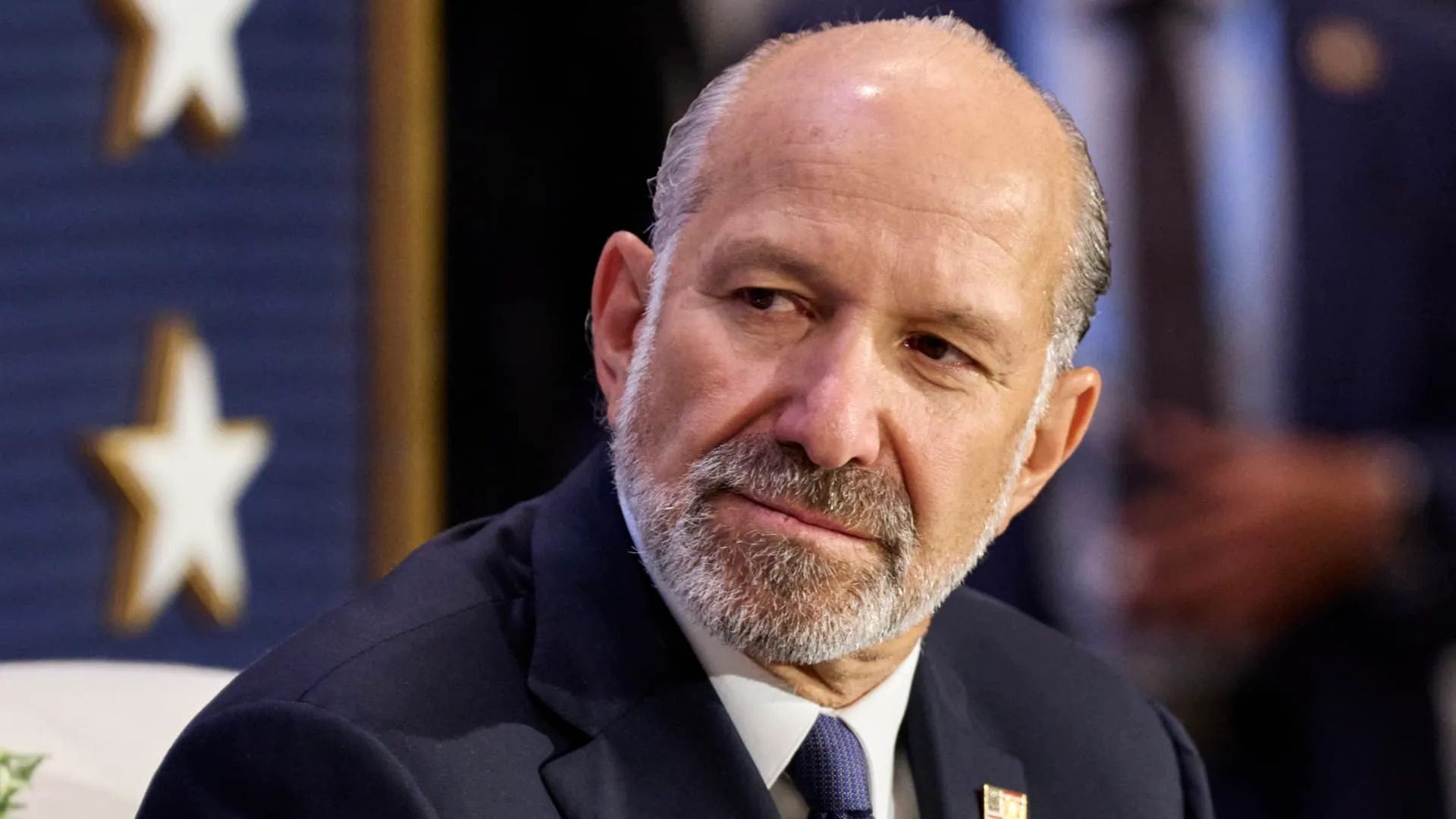
US Commerce Secretary Howard Lutnick reported income and transaction proceeds of more than 250 million US dollars throughout 2025, according to annual financial disclosure documents released by the Office of Government Ethics and processed by CNBC. The figure makes him one of the wealthiest cabinet members in President Donald Trump's administration, though still far below the head of state's reported earnings of more than 2 billion US dollars.
The largest component came from a 192 million US dollar distribution from Cantor Fitzgerald, the global financial services firm he led for decades. In the 74-page filing, the payment is described as a tax distribution made in accordance with the ethics agreement he signed before taking office in February 2025. Because the federal reporting format uses broad value ranges, the document does not provide a precise net worth figure.
Besides Cantor, Lutnick recorded 4.2 million US dollars in salary and bonus from Newmark, a commercial real estate services company, as well as 19.6 million US dollars from the exchange of Newmark partnership units. He also received 14.1 million US dollars from BGC Group, the brokerage and financial technology company he previously led, plus more than 5 million US dollars from BGC restricted share units. As part of divesting his holdings, he reported asset sales of at least 259 million US dollars, including shares in Newmark, BGC, Cantor Fitzgerald, and CF Group Management, each valued at more than 50 million US dollars.
The proceeds from those sales were largely shifted into more neutral instruments, with repurchases reaching at least 166 million US dollars. Lutnick bought more than 50 million US dollars of exchange-traded funds tracking the S&P 500 index and twice made purchases of more than 50 million US dollars each in Fidelity Treasury funds. The move reflects a strategy of shedding ownership in the companies he founded so as not to conflict with his public office. Cantor Fitzgerald is now run by his two eldest sons.
Although he has stepped down from hundreds of positions in his business entities, Lutnick still records around 40 external positions that remain active, generally related to trusts, property companies, and LLC-type business entities. The existence of those positions could prompt public questions about the extent to which the separation between business interests and state duties has truly occurred. A number of government ethics observers consider the wealth reports of senior officials a test of transparency, especially when the person in question holds a trade policy portfolio that directly affects the companies where he was once involved.
"The payment is a tax distribution handled in accordance with the ethics agreement," reads the explanation in Lutnick's annual disclosure report, as quoted from the document obtained by CNBC.
For Indonesia, this report is more than just a record of a foreign official's wealth. The United States is a major trading partner and a significant source of investment, so any signal of potential conflicts of interest among policymakers in the US can influence how Indonesian businesses read the direction of tariff policy, exports and imports, and the investment climate. When a trade minister has a track record of ownership in the global financial services sector, questions about policy neutrality become relevant, especially if policies emerge that touch the financial industry or international trade.
Going forward, the public will be waiting to see whether similar documents in the following year show a decline in Lutnick's business involvement or the opposite. If the external positions that remain active do not decrease significantly, pressure to tighten rules on the separation of interests in the US cabinet is expected to grow. The question is, to what extent is officials' wealth transparency enough to ease concerns about conflicts of interest in strategic policymaking?