Dukcapil Pushes Child ID Cards and Digital Identity to Villages, Civil Registration Services Brought to Residents' Doorsteps
Baca dalam 60 detik
- Ditjen Dukcapil Kemendagri memperluas edukasi dan mobilisasi penerbitan Kartu Identitas Anak serta aktivasi Identitas Kependudukan Digital hingga pemerintah desa.
- Kepala daerah dan kecamatan diminta menjemput bola karena capaian KIA dan IKD masih timpang, sementara sejumlah instansi mulai mensyaratkan identitas digital.
- Keberhasilan program bergantung pada kesiapan instansi penerima dan literasi warga, sehingga target administrasi kependudukan digital belum tentu tercapai serentak.
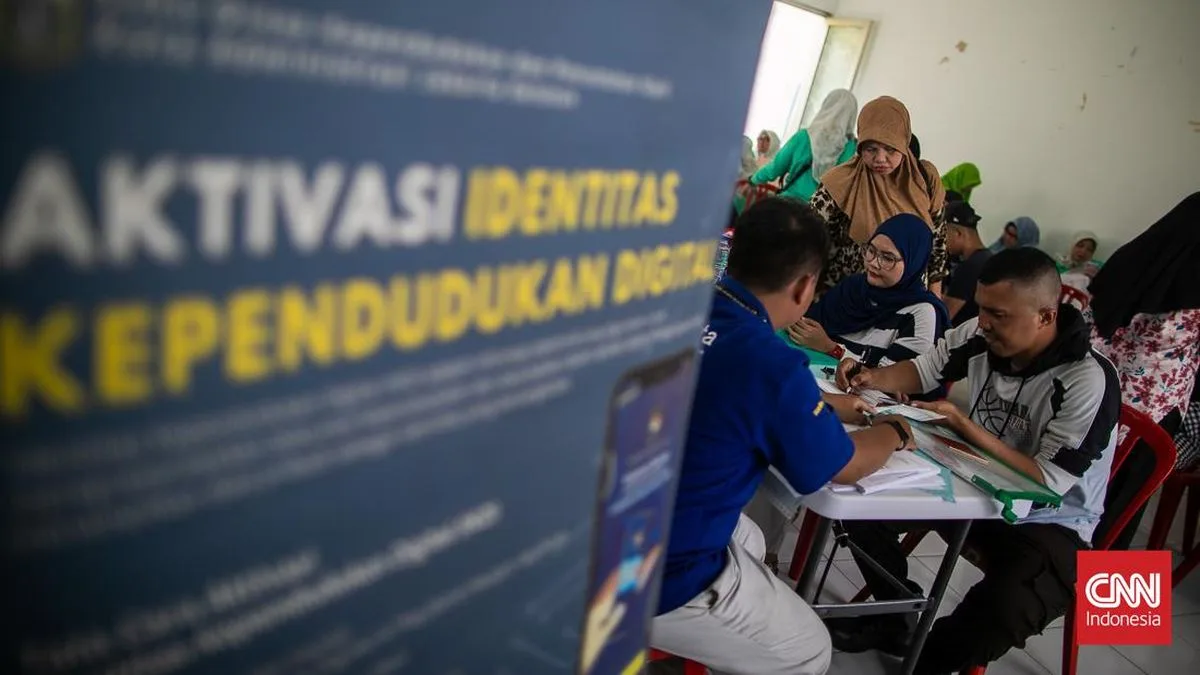
The Directorate General of Population and Civil Registration at the Ministry of Home Affairs is expanding its civil registration service strategy by targeting the issuance of Child Identity Cards (KIA) and the activation of Digital Population Identity (IKD) down to the village level. The move follows assessments that coverage of both documents remains uneven, especially in areas with limited access to services.
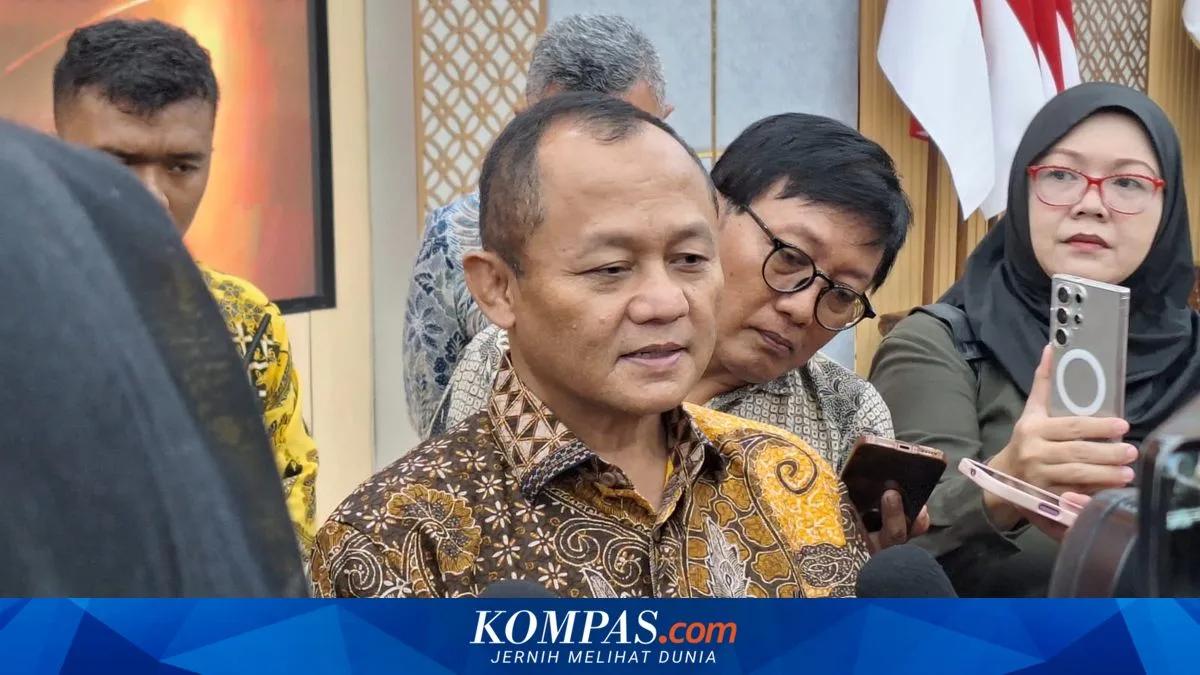
Director General of Dukcapil Teguh Setyabudi stressed that population documents are not merely an administrative obligation but a prerequisite for residents to access public services. He therefore asked regional government officials not to wait for residents to come to the office, but to reach out to neighborhoods and villages. "The government must ensure every resident obtains population documents in accordance with the rules. To that end, outreach and services must reach people down to the village level," he said in Jakarta on Monday (28/9).
The directive is echoing in the regions. The Sumenep Regency government in East Java, for instance, has begun stepping up KIA issuance and IKD activation in Pragaan District. The Dukcapil coordinator for Pragaan District, Subli, acknowledged that KIA coverage in his area remains far from target. He also asked village governments to step in and mobilize residents. "I hope KIA coverage will reach the target going forward. We ask for help from all parties to join in mobilizing residents," Subli said on Tuesday (22/9).
Subli also highlighted the importance of IKD education. According to him, digital identity is increasingly crucial because various agencies require it in document processing. "I hope the public continues to be educated and mobilized to activate IKD, because various agencies now require that digital identity," he said. However, he did not specify what percentage of residents in Pragaan have activated IKD or already hold KIA.
Possession of population documents is part of fulfilling residents' rights that determines ease of access to public services.
IKD itself operates through an app on smartphones. Residents can view their population document information digitally, making services more practical at agencies that are already connected. Even so, the benefits of IKD depend heavily on the readiness of each agency. Without system integration and acceptance at the service level, holding an IKD becomes a mere formality with no real impact for residents.
This readiness gap is what could become the main obstacle. On one hand, Dukcapil is pushing acceleration from the upstream through villages. On the other, downstream user agencies may not be ready to accept digital identity. As a result, residents may have activated IKD but are still asked to show a physical ID card when accessing services. Education for residents must therefore go hand in hand with the wider use of IKD in public services.
For readers in Indonesia, this program touches directly on everyday matters: arranging children's schooling, health services, social assistance, and banking and tax administration. Children who do not yet have KIA may face difficulties accessing certain public facilities, while an inactive IKD risks leaving residents behind as services shift to digital channels. Village governments are the frontline determining whether civil registration targets are met or instead stagnate.
Going forward, the question is no longer simply how many KIA are printed or IKD activated, but how far those documents are truly accepted across all service lines. Without synchronization between Dukcapil, regional governments, and user agencies, the acceleration of civil registration will stop at coverage figures, not at the convenience felt by residents.