MBG Corruption: Six Suspects to Face Trial Soon, State Losses Rp 10 Trillion
Baca dalam 60 detik
- Kejaksaan Agung melimpahkan enam tersangka korupsi tata kelola program Makan Bergizi Gratis ke Kejaksaan Negeri Jakarta Pusat setelah berkas dinyatakan lengkap.
- Dadan Hindayana, mantan Kepala Badan Gizi Nasional, dan dua mantan wakilnya menjadi bagian dari tersangka yang akan diadili.
- BPKP menghitung kerugian negara mencapai sekitar Rp 10 triliun, dengan 233 saksi dan 4 ahli telah diperiksa penyidik.
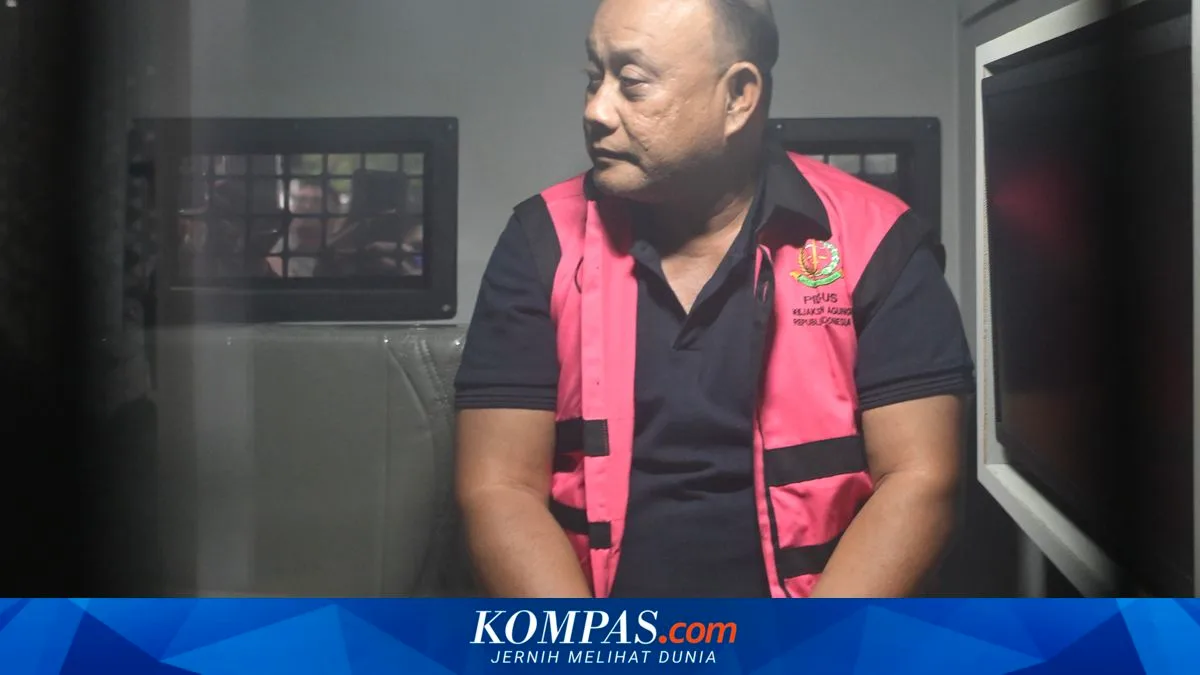
The Attorney General's Office officially handed over six suspects in the alleged corruption case involving the governance of the Free Nutritious Meals (MBG) program, along with evidence, to the Central Jakarta District Prosecutor's Office on Tuesday (29/9/2026). The move marks the case's transition from investigation to prosecution, after the case files were declared complete, or P-21.
The six people set to stand trial include Dadan Hindayana, former Head of the National Nutrition Agency (BGN) for the 2024–2025 period, and two former Deputy Heads of BGN, Sony Sonjaya and Lodewik Pusung. Also handed over were Lalu Muhammad Iwan, Secretary of the Deputy for Promotion and Cooperation at BGN, and two private parties, Glory Harimas and Asep Yusuf Somantri.
The Head of the Legal Information Center at the Attorney General's Office, Anang Supriatna, said the handover was carried out after all formal and material requirements were met. "Today the handover of suspects and evidence was carried out in the case of alleged corruption in the governance of the free nutritious meals program at BGN from 2025 to 2026," he said at the Central Jakarta District Prosecutor's Office.
The state loss figure disclosed by the Attorney General's Office has become a major focus. According to Anang, the amount is the result of a calculation by the Finance and Development Supervisory Agency (BPKP). "Around Rp 10 trillion. Around that. (The calculation is) BPKP's, yes," Anang said. The amount is equivalent to about 0.5 percent of total state spending in the 2025 state budget, or enough to fund social assistance programs for several months.
During the investigation, the investigative team examined around 233 witnesses and four experts. In addition, investigators collected documentary evidence, documents, and other evidence to be used at trial. Anang stressed that other details would be disclosed during the trial.
"Around Rp 10 trillion. Around that. (The calculation is) BPKP's, yes." — Anang Supriatna, Head of the Legal Information Center at the Attorney General's Office
The case came to light after the MBG program, touted as a breakthrough in national nutrition, instead faced allegations of governance irregularities. The program, which targets tens of millions of students and pregnant women, is managed by BGN with a large budget. The alleged corruption raises serious questions about internal oversight and transparency in the use of public funds.
For market players and investors, this development is a test of the credibility of state budget governance. Legal uncertainty can affect the investment climate, especially in the food and logistics sectors tied to the MBG program's supply chain. The government needs to ensure that the legal process does not disrupt the continuity of nutrition services for the public.
From a fiscal standpoint, the potential loss of Rp 10 trillion adds pressure to the budget deficit. If not handled firmly, the case could erode public trust in government social programs. The Attorney General's Office is expected to investigate thoroughly down to the masterminds and recover state assets.
Going forward, the trial will be the stage for proving whether the MBG program's oversight system was indeed weak or whether there was systematic malicious intent. The public awaits whether the judge's ruling will deliver a deterrent effect and push for improvements in BGN's governance. The big question: can the government sustain the national nutrition program without repeating the same corruption loopholes?