US Bonds Roil, Asian Markets Poised for Pressure
Baca dalam 60 detik
- Imbal hasil obligasi AS tenor 10 tahun menembus 5,29%, level tertinggi sejak 2007, memicu kekhawatiran global.
- Peluang kenaikan suku bunga The Fed bulan depan turun menjadi 49% setelah pernyataan John Williams.
- Pasar menanti data inflasi PCE dan dampak kenaikan bunga KPR AS terhadap permintaan properti.
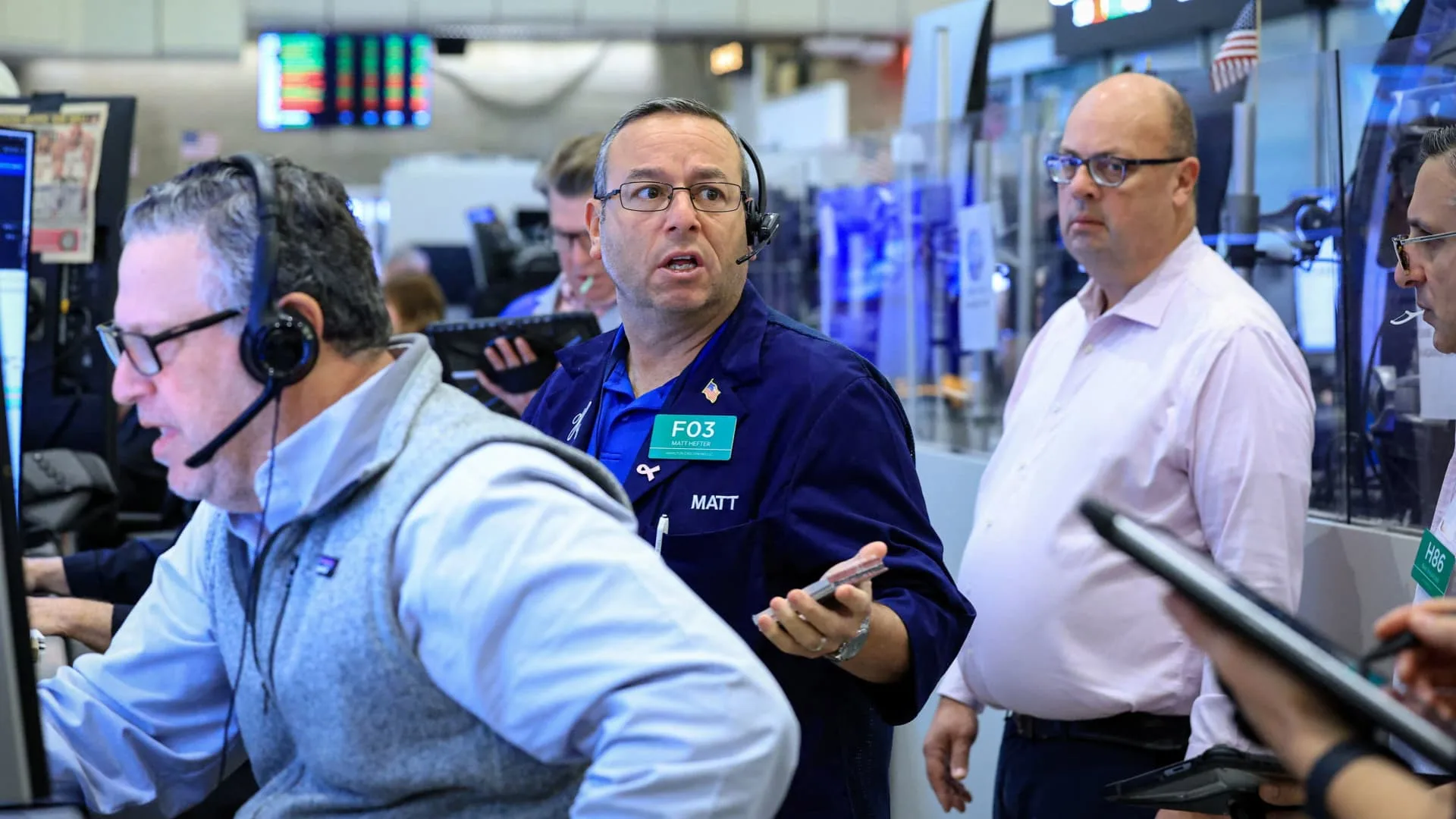
US government bond yields climbed again in Tuesday's trading (29/9), with the 10-year tenor touching 5.293%—the highest level since 2007. The surge pressured major Wall Street stock indexes: the Dow Jones fell more than 100 points, while the S&P 500 and Nasdaq each weakened 0.2% and 0.1%. The yield increase also pushed the 30-year fixed mortgage rate to 7.58%, the highest since November 2023.
US futures opened slightly higher on Wednesday morning, with S&P 500 and Dow contracts up about 0.2%, while the Nasdaq-100 gained 0.3%. However, sentiment remains fragile. New York Fed President John Williams said there was "no urgent need" to raise interest rates again and that there was still time to gather data before the October meeting. The statement lowered expectations for a rate hike next month from 71% on Monday to 49% on Tuesday, according to CME FedWatch.
Even so, pressure from the bond market has not eased. Interactive Brokers senior economist Jose Torres assessed that tight financial conditions "give courage to the bears" and increase interest in downside hedging. He added that equities are "trying to hold on, but it's difficult."
Market focus is now on the release of the August PCE price index—The Fed's preferred inflation measure—which will be published Wednesday night Indonesian time. The consensus of economists expects a 0.3% monthly increase, with an annual rate of 3.7%. A figure higher than expected could strengthen expectations of monetary tightening and once again shake the bond market.
For Indonesian investors, this turmoil cannot be ignored. Rising US bond yields typically trigger capital outflows from developing countries, including Indonesia, because the returns on safe-haven assets become more attractive. The rupiah could come under pressure, while Bank Indonesia may need to raise its benchmark interest rate to maintain exchange rate stability. On the other hand, rising US mortgage rates can suppress property demand and consumer spending, which ultimately reduces import demand from Indonesia.
"The bond market is sending a signal that borrowing costs will stay high for longer. This is not just a US story, but a global one," said Torres.
Going forward, all eyes will be on the PCE data and developments in the Middle East that could affect oil prices. If US inflation remains high, The Fed may be forced to raise interest rates again, prolonging pressure on emerging markets. Conversely, if the data softens, hopes for a policy pause could ease the turmoil. What is clear is that volatility will remain high in the coming weeks.