Ford CEO: Europe Already Missed Its Chance, US Still Has Time to Face the Chinese Car Onslaught
Baca dalam 60 detik
- CEO Ford Jim Farley menilai Eropa sudah terlambat membendung invasi merek otomotif China, sementara Amerika Serikat masih memiliki ruang untuk menyusun strategi.
- Pernyataan ini muncul saat Ford menjalin kemitraan dengan Geely untuk produksi EV di Spanyol, langkah yang memicu kekhawatiran dari pemerintahan Trump.
- Kongres AS tengah membahas RUU yang berpotensi melarang merek China, sementara Indonesia perlu mencermati dinamika ini karena pasar otomotif nasional semakin dibanjiri produk China.
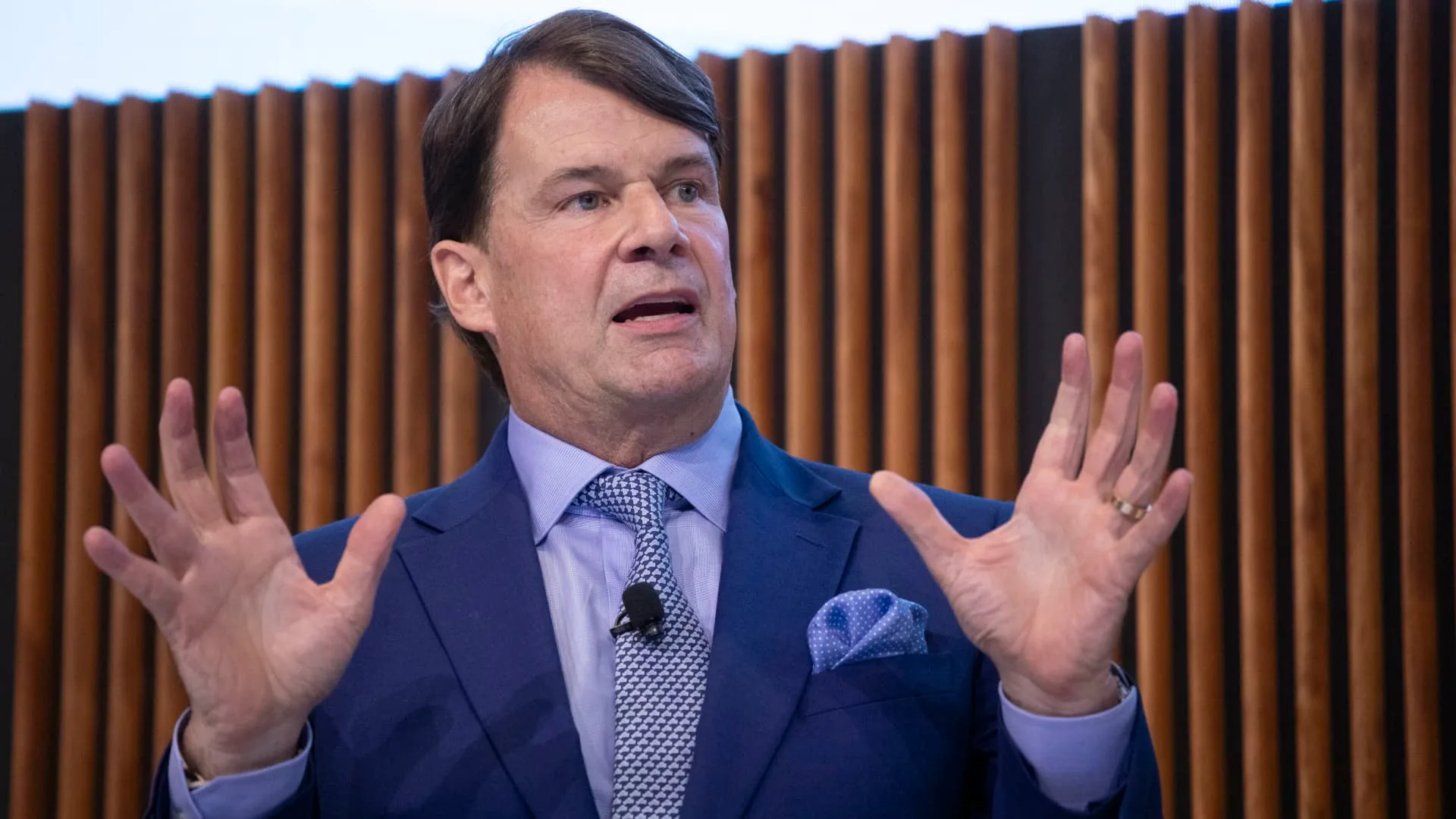
Ford Motor Company CEO Jim Farley said Europe has already passed a critical point in dealing with the flood of Chinese automotive manufacturers. However, he stressed that the United States still has a chance to make a more considered decision. Farley made the statement during an interview session at the Automotive News Congress in Detroit on Tuesday (29/9/2026).
Farley said policymakers in Washington should learn from Europe's experience. “I look at what's happening in Europe right now, where that didn't happen, and now they have to deal with it, it's too late,” he said. He stressed the importance of caution and careful consideration before opening the door to Chinese brands.
GlobalData figures show the global market share of Chinese brands jumped by nearly 70% from 2020 to 2025. In Europe, according to German research firm Dataforce, the share of Chinese brands, which was nearly zero in 2020, has now reached 12% as of August 2026. The figure is a wake-up call for European automakers that have long dominated their home market.
Farley explained Ford's strategy for dealing with this pressure. “Our answer is fairly simple. We will partner with China in areas where we don't have intellectual property, where we can be more capital-efficient, such as in Europe or Southeast Asia,” he said. Ford is also preparing to launch a universal electric vehicle next year, including a pickup model.
Ford's move to cooperate with Geely—a Chinese automaker—has drawn scrutiny from the Trump administration. Earlier this month, a letter was sent to Ford expressing “deep concerns” about the company's ties to Chinese entities and questioning its strategic direction. Ford responded by stressing its position as America's largest carmaker and the largest per-hour employer in the US automotive sector.
“I think it's important for us to take our time and be careful. I look at what's happening in Europe, where that didn't happen, and now they have to deal with it, it's too late.” — Jim Farley, Ford CEO
The issue has heated up further after Chinese President Xi Jinping's state visit to Washington last week. President Trump previously said it might be fine for Chinese brands to enter the US as long as they build vehicles domestically. However, Congress is currently discussing several bills that could potentially restrict or even permanently ban Chinese automotive brands from the American market.
For Indonesia, this dynamic has direct implications. The national automotive market in recent years has been flooded with Chinese products, especially in the electric vehicle segment. Brands such as Wuling, BYD, and Chery are aggressively expanding their networks and offering competitive prices. If the US and Europe tighten access, Indonesia could become a major alternative market for Chinese manufacturers, which could hit Japanese and Korean producers that have long dominated the market.
The Indonesian government needs to look at two sides: on one hand, Chinese investment in the EV sector can accelerate the energy transition and create jobs; on the other, a flood of imported products could threaten domestic industry and reduce state revenue from taxes. Tariff and incentive policies will be crucial to maintaining the balance.
Going forward, the question is whether the United States will follow in the footsteps of a Europe that missed its chance, or be able to design a policy that protects industry while remaining open to innovation. Meanwhile, Indonesia is being pushed not to simply be a spectator, but to devise a strategy so that the Chinese automotive wave becomes an opportunity, not a threat.