Behind the Bosch Name: 11 Advanced Technology Products the Public Rarely Knows
Baca dalam 60 detik
- Bosch menyimpan portofolio produk teknologi tinggi yang jauh melampaui peralatan rumah tangga dan perkakas biasa.
- Inovasi seperti sensor gas seukuran kuku dan modul taktil untuk robot menunjukkan arah industri menuju otomatisasi dan presisi.
- Produk-produk ini membuka peluang adopsi di sektor manufaktur dan konstruksi Indonesia, meski harga dan ketersediaan masih menjadi kendala.
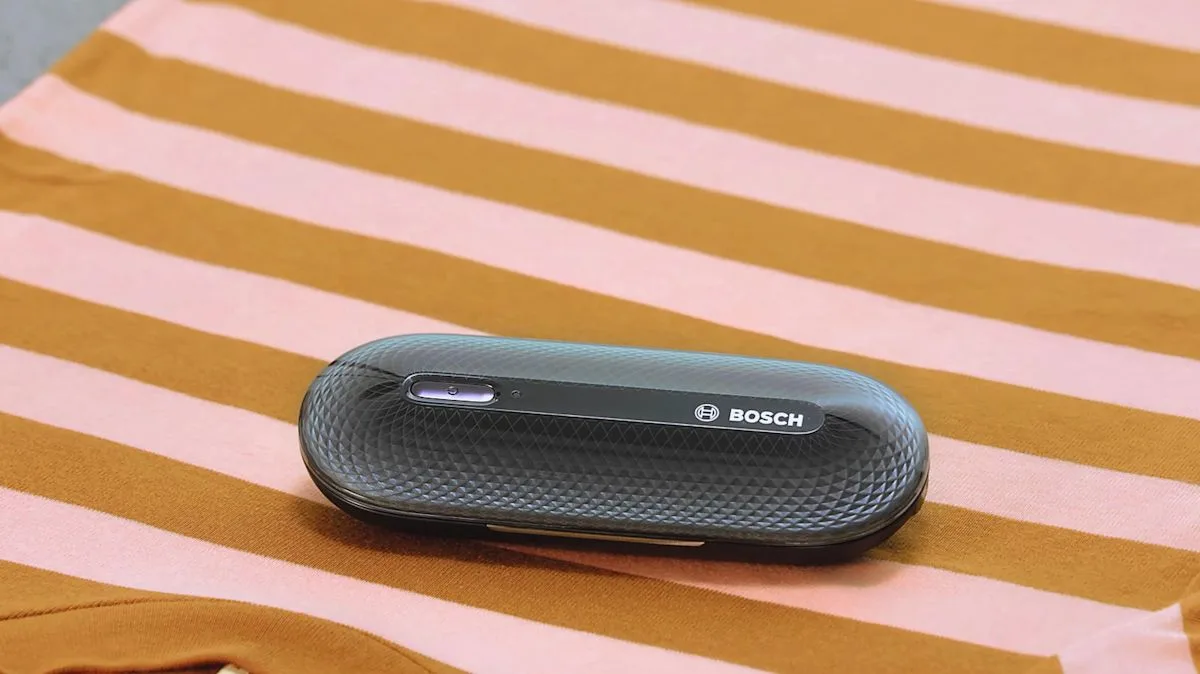
Bosch has long been synonymous with affordable home appliances and power tools. Yet behind its mass-market product lines, the German company keeps a number of advanced devices that rarely get public exposure. From radar-based wall scanners to micro sensors that can detect gas, these innovations signal that Bosch is not merely a consumer equipment maker, but a serious player in industrial technology and automation.
Among the most striking products are FreshUp, a waterless clothes-cleaning device that uses plasma to break down odor molecules. Although production has been discontinued, the technology was once sold for around 200 pounds in Europe in 2021. There is also Cookit, a smart cooking machine competing with Thermomix, offering a larger bowl capacity and temperatures up to 200 degrees Celsius. Meanwhile, the Series 8 smart oven comes with a humidity probe and an AI camera that can recognize how well food is cooked, priced at around US$4,000.
For the construction and home improvement sector, Bosch offers the D-tect 200C, a handheld wall scanner that can identify wood, water pipes, live electrical cables, and metal inside walls. The device features a 3.5-inch color screen and can save screenshots to an SD card. There is also the GLM 150-27C laser measure, capable of measuring distances up to 150 meters with high accuracy, as well as the AdvancedLevel 360, a laser level that projects a 360-degree horizontal line and two vertical lines to ease renovation work.
In robotics, Bosch Rexroth developed the smart flex effector, a control module that gives robots a sense of touch. The module allows robots to adapt to deviations in object position and record changes precisely. Although it is not yet a consumer product, the technology has the potential to revolutionize industrial assembly lines that demand minimal tolerances. Meanwhile, the BME688 sensor, described as a "digital nose," can detect various gases and environmental conditions, opening applications ranging from detecting spoiled food to preventing forest fires.
For the Indonesian market, the presence of these products offers both opportunities and challenges. The domestic manufacturing and construction sectors, which are transforming toward Industry 4.0, can use devices such as the D-tect 200C and smart flex effector to improve efficiency and workplace safety. However, high prices and limited availability—some products are not sold in the United States, let alone Indonesia—are barriers to mass adoption. Nevertheless, the presence of this technology in the global market signals a fast pace of development, and domestic industry players need to anticipate the trend.
"Bosch is widely known for its consumer products, but its industrial technology portfolio shows that it is serious about automation and smart sensors," said a manufacturing technology analyst who did not wish to be named.
Going forward, the question is how quickly such technology becomes affordable and available in emerging markets like Indonesia. If price and distribution barriers can be overcome, it is not impossible that these advanced devices will become a new standard in the construction and manufacturing sectors, changing the way we work and interact with machines.