UN General Assembly 2026: Empty Seats, Diplomacy Under Test
Baca dalam 60 detik
- Pidato Sekretaris Jenderal PBB António Guterres dan Presiden AS Donald Trump menjadi magnet utama, sementara banyak pemimpin lain hanya dihadiri delegasi terbatas.
- Ketidakhadiran massal dan aksi walkout sebelum pidato Perdana Menteri Israel Benjamin Netanyahu menandakan fragmentasi politik global yang kian dalam.
- Bagi Indonesia, dinamika ini menegaskan pentingnya memperkuat diplomasi multilateral dan memanfaatkan posisi non-blok untuk menjembatani perpecahan.
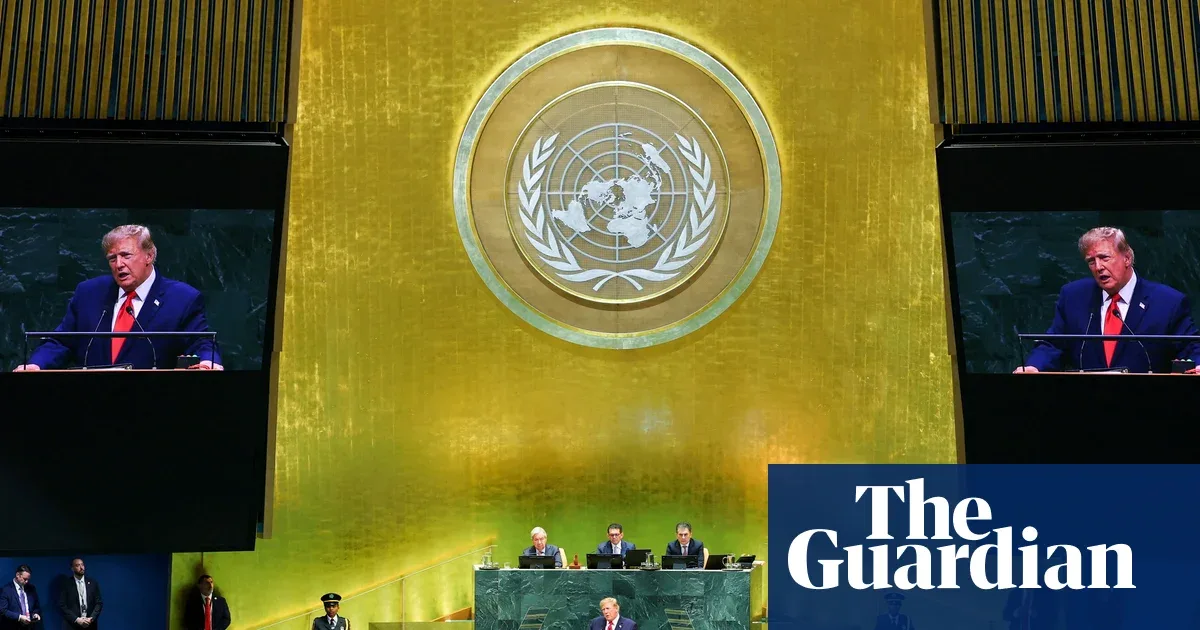
The 81st UN General Assembly in New York on 22–25 September 2026 offered a rare sight: many seats in the main hall were empty as several heads of state delivered their speeches. Only the addresses by UN Secretary-General António Guterres and US President Donald Trump managed to fill the room, while other leaders had to settle for a thin audience. This phenomenon is not merely about attendance, but a mirror of shifting priorities in global diplomacy.
Guterres opened the session on Tuesday with a well-attended speech. However, as reported by The Guardian, the turnout was likely due to his position as the opening speaker before Trump took the podium. After that, the number of delegations that stayed shrank drastically. French President Emmanuel Macron, Japanese Prime Minister Sanae Takaichi, and UK Prime Minister Andy Burnham—attending for the first time—spoke before rows of mostly vacant seats. A similar pattern appeared in Wednesday's session: Syrian President Ahmed al-Sharaa began with a sparse crowd, while Iranian President Masoud Pezeshkian drew more attendees, perhaps because of the geopolitical tensions surrounding him.
The peak of the drama came when Israeli Prime Minister Benjamin Netanyahu was about to speak. Several delegations demonstratively left the room before he took the floor. This walkout is nothing new at the UN, but its scale this time showed how deep international political polarization has become. The uneven attendance and such symbolic protests underscore that the UN as a multilateral stage faces a credibility test: can it still be an inclusive space for dialogue, or is it merely an arena for great powers to flex their influence?
For Indonesia, these dynamics have direct implications. As a non-aligned country that actively promotes peace and South-South cooperation, Jakarta needs to read these signals of fragmentation carefully. When multilateral forums like the UN begin to lose appeal for many countries, Indonesia has an opportunity to take on the role of a bridge between competing blocs. Economic diplomacy and an independent and active foreign policy can be directed toward strengthening cross-regional coalitions, especially in ASEAN and the OIC, to ensure that issues such as climate change, food security, and the energy transition remain on the global agenda.
"The uneven attendance at the UN reflects that many countries now choose bilateral or regional paths they consider more advantageous," said an international relations analyst who did not wish to be named. "This is both a challenge and an opportunity for countries like Indonesia to step forward as a mediator."
Going forward, the question is not only who shows up in the hall, but whether the UN can still produce concrete agreements amid division. If this trend continues, Indonesia and other influential countries will need to design more adaptive diplomatic strategies—leveraging regional forums and plurilateral initiatives to maintain global stability. Without that, the empty seats at the UN could signal the ebbing of a multilateral order that has long been the backbone of world peace.