Testimony of Former Religious Affairs Official: Jokowi's Directive and the Trail of the 50:50 Hajj Quota
Baca dalam 60 detik
- Sidang korupsi kuota haji tambahan 2023-2024 membuka fakta bahwa gagasan pembagian 50:50 telah dibahas sejak November 2023.
- Mantan Dirjen PHU Hilman Latief menyebut Yaqut Cholil Qoumas mengklaim pembagian itu sebagai arahan Presiden Joko Widodo.
- Kesaksian ini memperkuat dugaan intervensi kebijakan di luar kesepakatan Panja Komisi VIII DPR yang menetapkan komposisi 92:8.
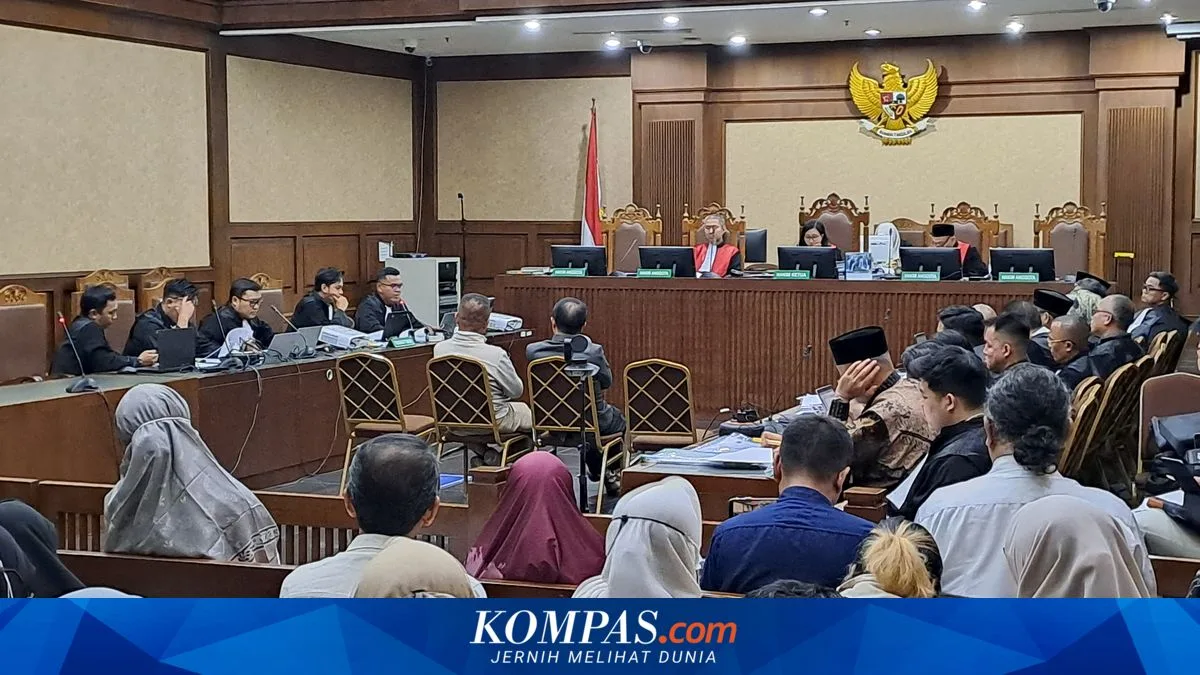
The trial of the alleged corruption case in the management of the 2023-2024 additional hajj quota at the Central Jakarta Corruption Court, Thursday (24/9/2026), revealed that the plan to split the 20,000 additional quota 50:50 between regular and special hajj pilgrims had been designed since November 2023. This fact emerged from the testimony of two witnesses: former Director General of Hajj and Umrah Organization (PHU) at the Ministry of Religious Affairs, Hilman Latief, and former Hajj Consul at the Indonesian Consulate General in Jeddah, Nasrullah Jasam.
Hilman said he had questioned the basis for the split because the Working Committee (Panja) of House Commission VIII together with the Ministry of Religious Affairs had previously set a composition of 92 percent for regular hajj and 8 percent for special hajj. He said the Minister of Religious Affairs at the time, Yaqut Cholil Qoumas, conveyed that the 50:50 split was a directive from President Joko Widodo. "The Minister said, 'This 50-50 is his direction from the President at the time'," Hilman said, later confirming that the President in question was Joko Widodo.
Meanwhile, Nasrullah Jasam revealed that the 50:50 split plan had been discussed since November 2023. He said he was asked by the special staff of the Minister of Religious Affairs, Ishfah Abidal Aziz alias Gus Alex, to ask the Saudi Arabian Ministry of Hajj and Umrah about the possibility of such a split. From that communication, Nasrullah received an explanation that each country has the right to determine its own quota composition, but special requests must be submitted through an official letter signed by the Minister of Religious Affairs. "He said that each country determines its own quota composition. There is the example of Pakistan 70:30, Singapore entirely special hajj," Nasrullah said.
In the trial, prosecutors probed Nasrullah's communication with Gus Alex via WhatsApp around 15 November 2023. At the time, Gus Alex asked about the progress of the 50:50 quota split plan, and Nasrullah replied, "Ready, just the letter." The discussion continued in a meeting in Jeddah in December 2023 attended by the Minister of Religious Affairs, the Director General of PHU, and a number of officials. According to Nasrullah, the term 50:50 was not mentioned directly, but the figures discussed pointed to an equal split of the additional 20,000 quota.
"Indeed, in that meeting 50:50 was not mentioned directly. But the figures presented, if calculated, constitute a 50:50 split of the additional 20,000 quota." — Nasrullah Jasam, witness
This testimony raises questions about the extent to which hajj quota policy is influenced by interests outside official mechanisms. The 92:8 composition set by the House Panja was a legislative agreement that should serve as the reference. If there was indeed a presidential directive to change it to 50:50, that could potentially create a conflict of authority between the executive and the legislature. For the public, this issue concerns fairness of access: regular hajj, dominated by the general public, could see its quota eroded if the special hajj portion is increased significantly.
The impact for Indonesia is not only on the governance of the hajj pilgrimage, but also on trust in the public policy-making process. This case could set a bad precedent if intervention in the hajj quota is proven to have been carried out without a clear legal basis. On the other hand, the Ministry of Religious Affairs needs to explain transparently the basis for the 50:50 split, including whether there was indeed a direct order from President Jokowi. The public has the right to know who is responsible for a policy that could harm regular pilgrims.
Going forward, this trial will continue to unfold with the possibility of summoning other witnesses, including former President Jokowi. The question is, will the court be able to uncover the mastermind behind the attempt to change the hajj quota composition? And more importantly, how will the government ensure that future hajj policy is free from intervention that disregards the principle of fairness for all prospective pilgrims?