855 Public Facilities in Sumatra Enter Rehab-Rekon, Government Pursues Safe Basic Services
Baca dalam 60 detik
- Kementerian PU mencatat 855 fasilitas publik di Aceh, Sumut, dan Sumbar telah masuk program rehabilitasi dan rekonstruksi pascabencana.
- Pemerintah menekankan pemulihan bukan sekadar menyambung konektivitas, tetapi memastikan infrastruktur layak dan aman bagi warga.
- Perhatian jangka panjang tertuju pada pengendalian sedimen lewat 111 sabo dam dan normalisasi sungai untuk menekan risiko bencana susulan.
The government is accelerating the recovery of basic services in three disaster-affected provinces in Sumatra through a rehabilitation and reconstruction (rehab-rekon) program managed by the Ministry of Public Works. As of Tuesday (22/9/2026), 855 public facilities have entered the program, covering 370 places of worship, 121 health facilities, and 364 religious education facilities in Aceh, North Sumatra, and West Sumatra.
The figure marks the transition from the emergency response phase to permanent reconstruction. After emergency connectivity was restored, the focus of work shifted to restoring infrastructure functions optimally while ensuring service safety standards for the public. Minister of Public Works Dody Hanggodo stressed that the main target is not merely reconnecting access, but also delivering infrastructure that is reliable and safe for residents to use.
"What we are pursuing is not only reconnecting connectivity, but also ensuring that the infrastructure rebuilt can provide safe and reliable services for the public," Dody said in a written statement, Monday (28/9/2026).
Progress details show uneven pace between regions. For places of worship, of 137 locations in Aceh, 109 have entered the construction stage. In North Sumatra, only 64 of 208 locations have started construction, while West Sumatra is recorded as the furthest behind with 3 of 25 locations. In the health sector, 43 of 50 facilities in Aceh have been constructed, followed by North Sumatra (21 of 36) and West Sumatra (17 of 35). Religious education covers 207 madrasahs and 69 Islamic boarding schools in Aceh, 57 madrasahs in North Sumatra, and 29 madrasahs and two Islamic boarding schools in West Sumatra.
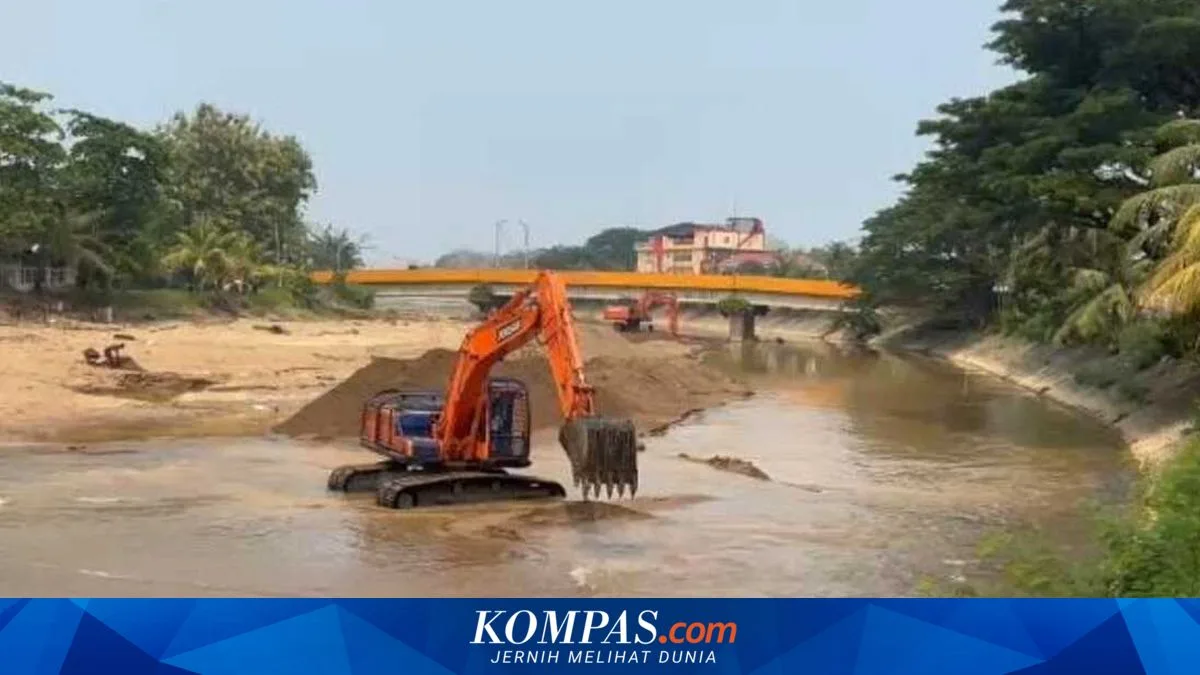
Beyond public facilities, the government is paying attention to water resource infrastructure. This step is crucial to restoring river functions and reducing the risk of further disasters. A total of 4 of 14 affected weirs under central authority have been fully handled in the emergency response phase, while the remaining 10 are still in a series of continued handling. Normalization has also been carried out on 38 of 94 rivers under central authority, and six river mouths have been cleaned to smooth water flow and reduce the buildup of post-disaster material.
To strengthen sediment control from upstream areas, the government is targeting the construction of 111 sediment control infrastructure units, consisting of 97 sabo dams—including 12 oprit sabo dams—and 14 sand pockets. To date, six sabo dams have entered ongoing work packages spread across Gayo Lues, Central Tapanuli, and Tanah Datar. The construction of sabo dams serves not only a technical function but also supports the sustainability of environmental recovery in river basins.
The implementation of the Ministry of Public Works program is part of an integrated response coordinated by the Task Force for the Acceleration of Rehabilitation and Reconstruction (Satgas PRR) for Post-Disaster Sumatra. Synchronization with local governments and ministries/agencies continues to be strengthened so that development meets public needs and does not overlap with other programs. This coordination is key to ensuring that budgets and resources are not wasted, especially when many parties are involved in recovery.
For readers in Indonesia, particularly investors and businesses, the acceleration of rehab-rekon opens opportunities in the construction, logistics, and material supply sectors. However, the uneven progress between regions—especially West Sumatra, which has only started a small portion of the work—signals that implementation capacity on the ground remains a challenge. The government needs to ensure no region is left behind, because uneven recovery can slow local economic recovery and increase social risks.
Going forward, the big question is not only how many facilities are completed, but how quickly basic services truly return to normal and how resilient the infrastructure is against the next rainy season. If the target of 111 sabo dams and river normalization is not completed before peak rainfall, the risk of subsequent flooding and repeated damage could erode the development gains already achieved.